Building Language
🧩 Band 3: Developing Communicators
Phrases are growing into little sentences — and the world is getting describing words: big, wet, heavy, loud, happy. Plus the first sequencing words, first and then, that will one day hold whole stories together.
Below are all 18 concepts in this band, in series order — and each one is its own Woodland Friends storybook by Julia. Work through them top to bottom at your child's own pace. Each one shows the target words, a quick guide to what to do (understanding is what your child takes in — receptive language; using words is what they say — expressive language), and 3 toys from the library that practise it beautifully. It's completely normal for a child to be stronger at one than the other. You can add any toy to your Amazon cart individually, or grab all three at once — prices and availability vary by country, and the buttons always open your local Amazon.
Woodland Friends · the storybooks for this band
Every concept below will be its own cosy Woodland Friends storybook — all 18 for this band are in production now and arriving November 2026. Pop your name on the waitlist and you'll hear the moment they land.
See the Band 1 books in the shopWord kits in this band
Storybook 1 of 18 · Woodland Friends · in production
In Front and Behind
Target words: in front · behind
Understanding · receptive
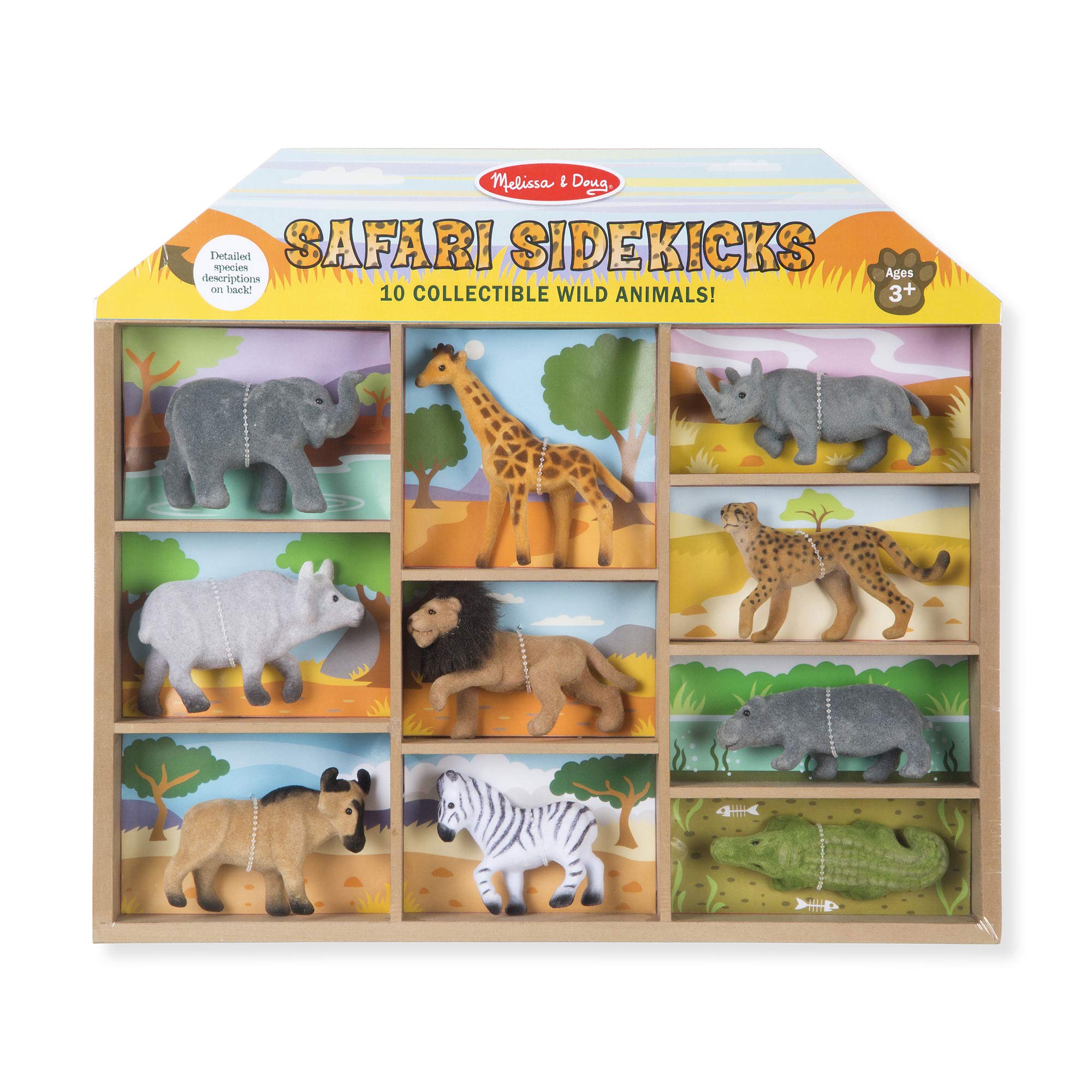
Park animals IN FRONT of the house and BEHIND the broom: “where's the cow?… BEHIND you!” Hide-and-seek with words.
Using words · expressive
Ask “in front or behind?” at every placement — then let them boss you: “put the dog…?” and do exactly what they say.
Finding it tricky? Use their own body first: “hands behind your back!… now in front!” — position words stick best on ourselves.
Too easy? Full descriptions: “the sheep is hiding behind the tractor” — then swap: they describe, you find.
Practise it through play · 3 toy picks


Storybook 2 of 18 · Woodland Friends · in production
Next To and Beside
Target words: next to · beside
Understanding · receptive
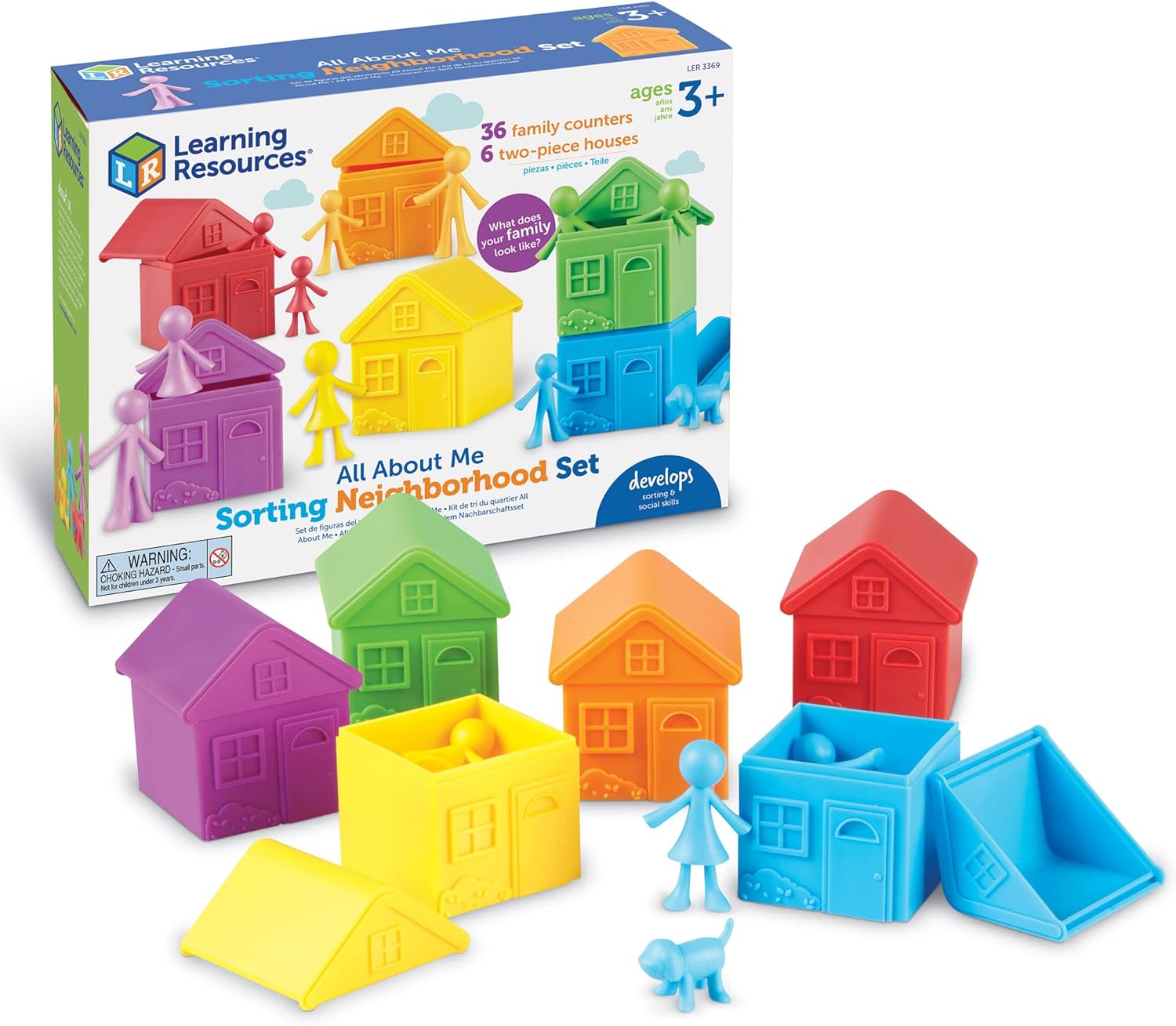
Line up cubes and people “NEXT TO” each other: “the red one goes next to the blue one… you sit beside me.”
Using words · expressive
Build rows together and pause: “where does this one go?” — model “next to the yellow!” and wait for it back.
Finding it tricky? Simplify the word: “beside” and “next to” can both wait — start with the same idea as “with”: “red goes WITH blue”.
Too easy? Precision requests: “put the cow next to the pig, beside the fence” — two position words in one instruction.
Practise it through play · 3 toy picks


Storybook 3 of 18 · Woodland Friends · in production
Long and Short
Target words: long · short
Understanding · receptive
Stretch pop tubes and roll Play-Doh snakes: “loooong!… now short.” Let the toy make the word visible.
Using words · expressive
Make two snakes and ask: “long or short?” — then the power move: “make it LONGER!” and watch them narrate.
Finding it tricky? Stretch the word with the object: “looooooong” as the tube grows — your voice length teaching word meaning.
Too easy? Compare three: “long, longer, longest!” — line them up and let them award the title.
Practise it through play · 3 toy picks


Storybook 4 of 18 · Woodland Friends · in production
Tall and Short
Target words: tall · short
Understanding · receptive
Build towers side by side: “yours is TALL!… this one's short.” Stand up: “Daddy is tall, you are… ?”
Using words · expressive
Race towers and pause at the reveal: “which one is TALL?” — echo their answer into a phrase: “the RED one is tall!”
Finding it tricky? Anchor to bodies and hands: reach up “taaaall!”, crouch down “short!” — play it like a movement game.
Too easy? Bring in “than”: “mine is taller THAN yours!” — the Band 5 preview they will love arguing about.
Practise it through play · 3 toy picks
Storybook 5 of 18 · Woodland Friends · in production
Heavy and Light
Target words: heavy · light
Understanding · receptive
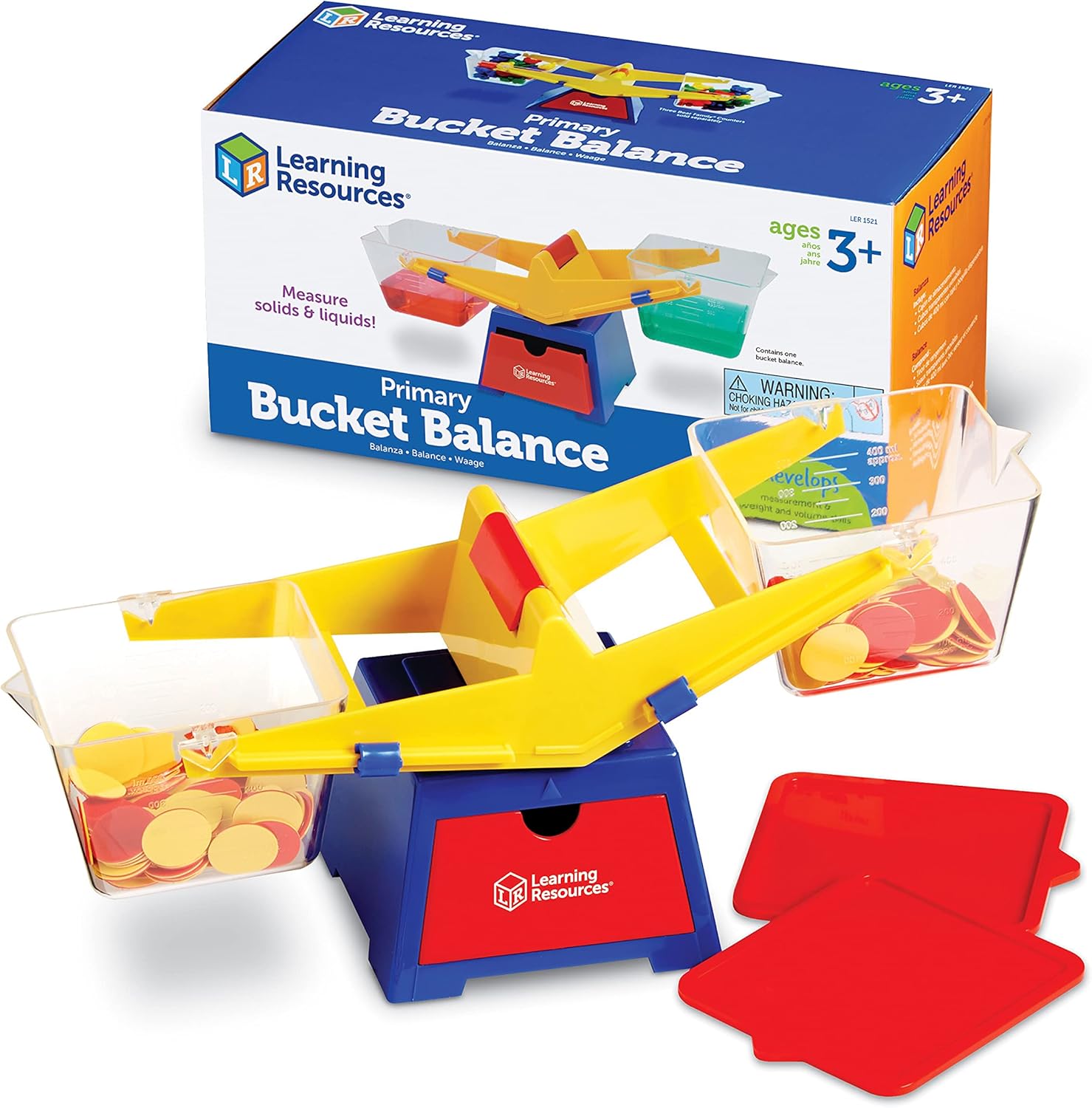
Load the bucket balance and let it teach: “this side went DOWN — it's HEAVY! That one's LIGHT.”
Using words · expressive
Hand them two objects: “heavy or light?” — then act it out, staggering under the heavy one. Comedy is memory glue.
Finding it tricky? Big contrasts only — a brick versus a feather beats two similar blocks. Grunt dramatically to carry the meaning.
Too easy? Predict before testing: “will it be heavy?” — then check on the balance. Hypothesis, test, verdict: “it WAS heavy!”
Practise it through play · 3 toy picks
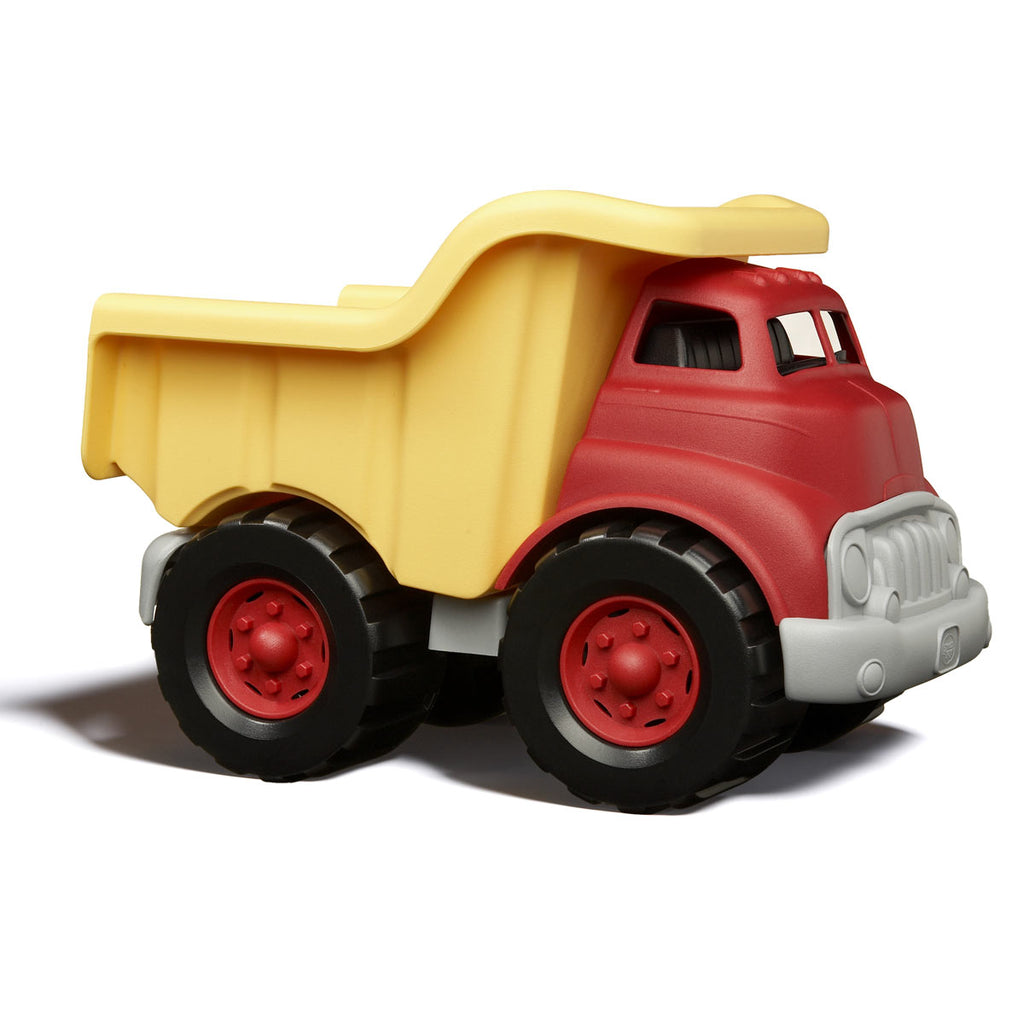
Storybook 6 of 18 · Woodland Friends · in production
Who Has More?
Target words: more · less (comparing)
Understanding · receptive
Share out cubes unevenly on purpose: “you have MORE! I have LESS. Not fair!” — injustice is very motivating.
Using words · expressive
Build two towers and ask “who has more?” — wait for the full claim: “I have more!” before topping them up.
Finding it tricky? Return to plain “more” as a request, then sneak in the comparison: “you want more? Now YOU have more!”
Too easy? Even them up on instruction: “make them the SAME” — the Band 5 idea of equal starts here.
Practise it through play · 3 toy picks
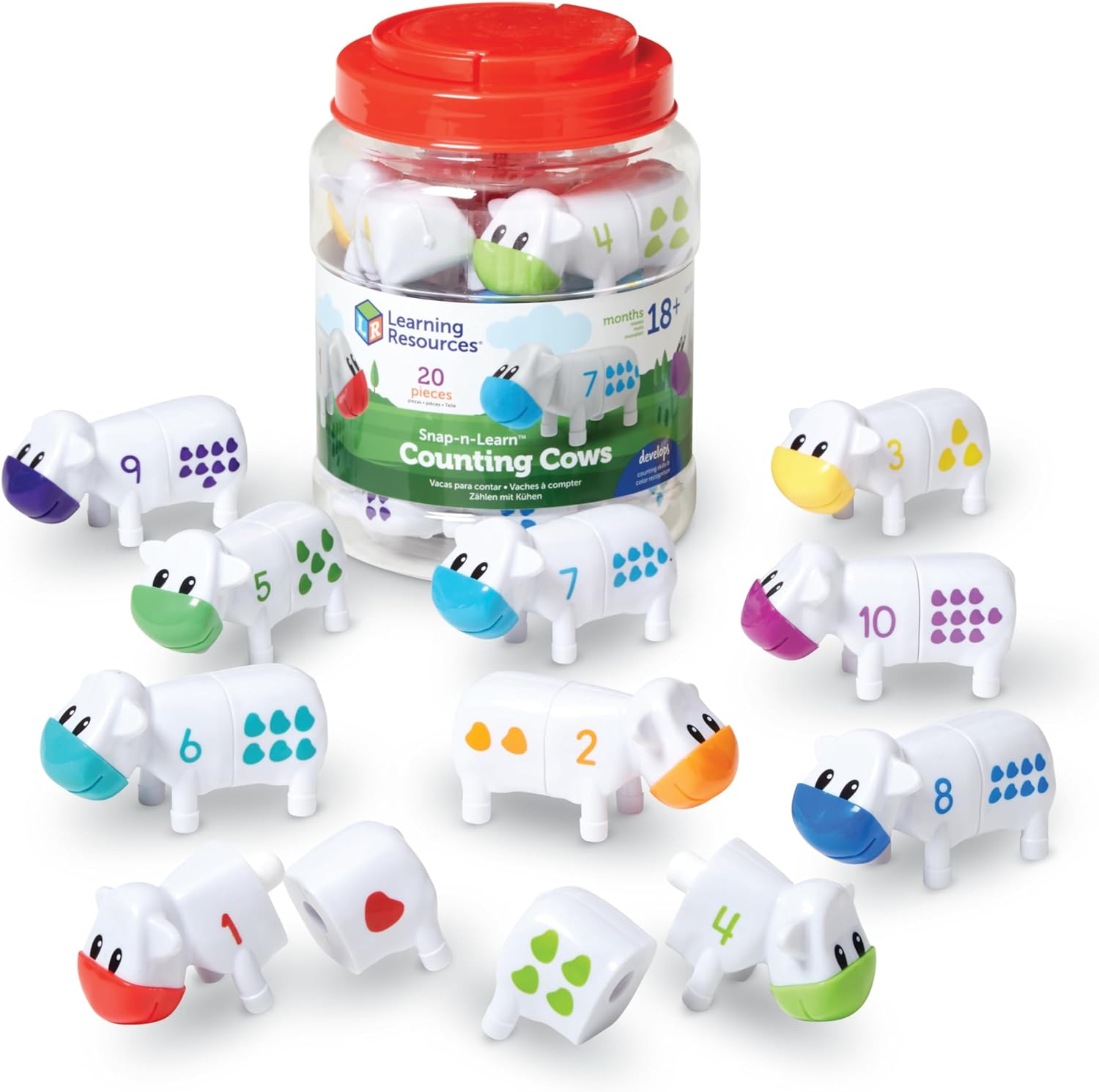
Storybook 7 of 18 · Woodland Friends · in production
Many and Few
Target words: many · few · lots
Understanding · receptive
Pour out MANY animals and just a FEW: “wow, MANY cows!… only a few sheep.” Sweep your hand across the many.
Using words · expressive
Ask “many or few?” at every pour — then flip it into requests: “do you want many… or just a few?” Their answer decides.
Finding it tricky? Use “lots!” first — it is the toddler's own word for many — and pair it with the big-pile moment every time.
Too easy? Get exact: “how many?” count them — “six! that's many. Two is just a few.” Numbers meet describing words.
Practise it through play · 3 toy picks


Storybook 8 of 18 · Woodland Friends · in production
Day and Night
Target words: day · night
Understanding · receptive
Use the weather chart at the same time daily: “the sun is up — it's DAY! Moon means NIGHT — sleep time.”
Using words · expressive
Sort little routines into the chart: “when do we eat breakfast — day or night?” and wait for the verdict.
Finding it tricky? Anchor to two pictures only, sun and moon, and play “where does it go?” — the words ride along.
Too easy? Stretch into sequences: “first it's day, THEN it's night” — time words are about to matter a lot.
Practise it through play · 3 toy picks


Storybook 9 of 18 · Woodland Friends · in production
First and Then
Target words: first · then (sequencing)
Understanding · receptive
Narrate every routine as a sequence: “FIRST we sweep, THEN we mop. First shoes, then outside!”
Using words · expressive
Plan play out loud and leave the gap: “first the cup… then the…?” Let them finish the plan before you act it.
Finding it tricky? Two steps only, acted immediately — “first pop, then crash!” — long chains can wait.
Too easy? Let them be the planner: “what's first? what's then?” — they dictate, you obey. Sequencing becomes storytelling.
Practise it through play · 3 toy picks
Storybook 10 of 18 · Woodland Friends · in production
Same and Not the Same
Target words: same · not the same
Understanding · receptive
Sort matching and odd pairs: “these are the SAME… these are NOT the same!” Shake your head with the “not”.
Using words · expressive
Hold up sneaky pairs and ask: “same or not the same?” — celebrate the spot: “you're right — NOT the same!”
Finding it tricky? Back to obvious matching: identical pairs, the word “same!” at the moment of the match. Add “not” later.
Too easy? Ask for the evidence: “why not the same?” — “this one's big!” Explaining differences is a Band 6 skill sprouting early.
Practise it through play · 3 toy picks
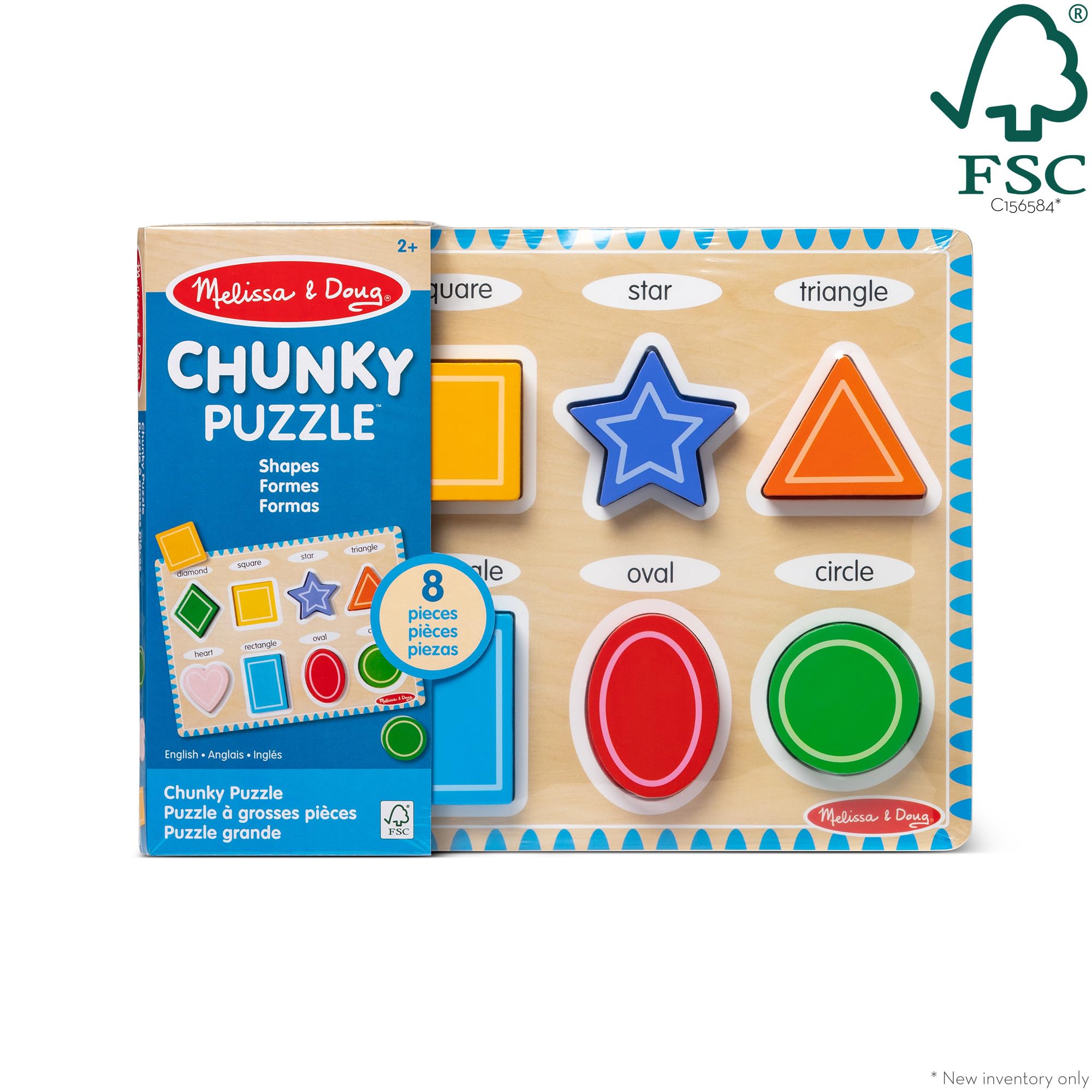
Storybook 11 of 18 · Woodland Friends · in production
Mummy's Shoe
Target words: possessive 's
Understanding · receptive
Claim things with 's all day: “that's MUMMY'S shoe! Teddy's cup! Whose is this? — DADDY'S!”
Using words · expressive
Deal out possessions at the tea party and quiz gently: “whose cup is this?” — wait for “Mummy's!” with the s landing.
Finding it tricky? If the 's drops off, model the repair kindly: “Mummy shoe? Yes — MummyS shoe!” — never make them repeat, just re-say it.
Too easy? Mix with pronouns: “it's HERS… that one's MINE… whose is the blue one?” Possession gets a full grammar set.
Practise it through play · 3 toy picks
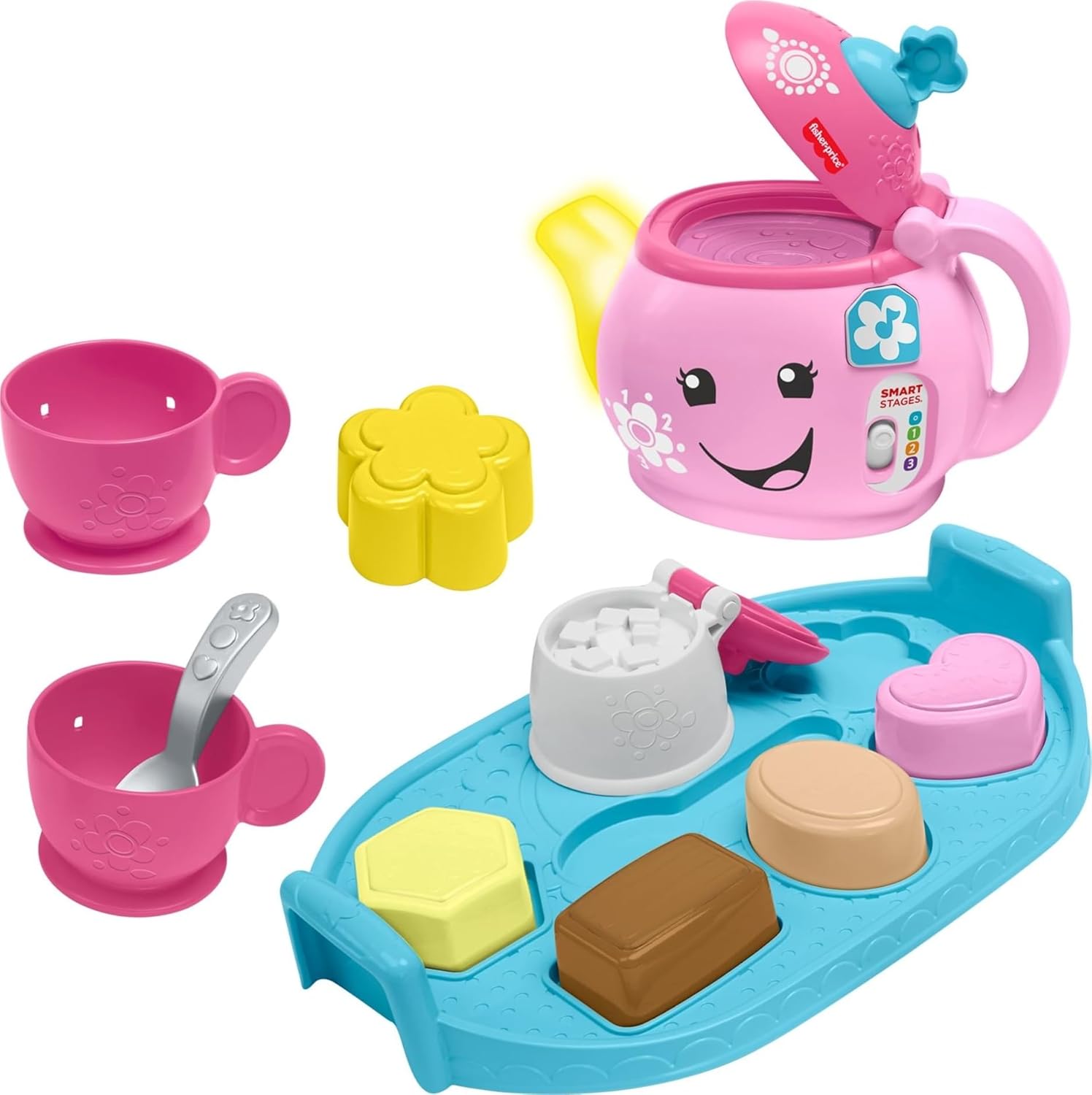
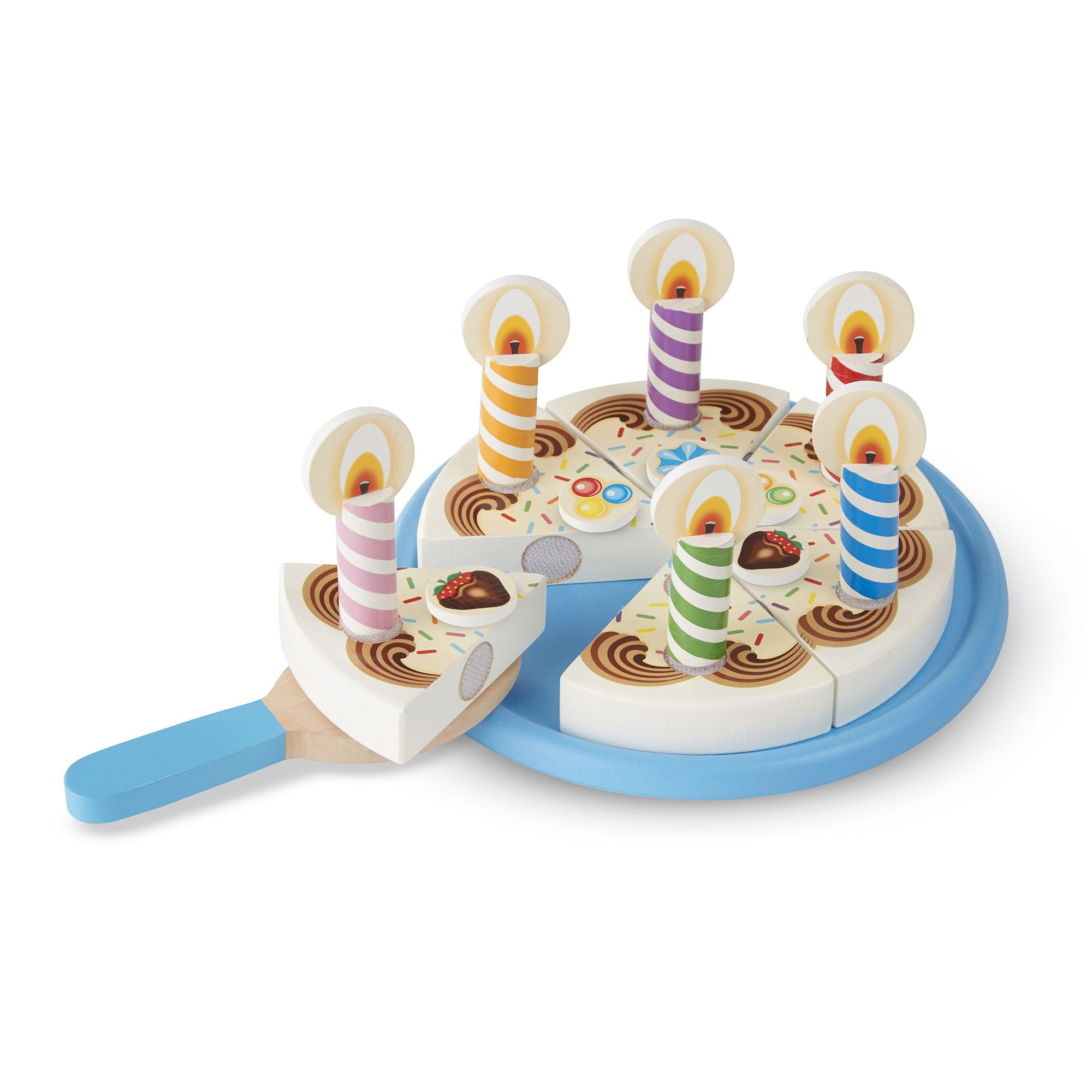
Storybook 12 of 18 · Woodland Friends · in production
In the Box, On the Mat
Target words: prepositions in phrases
Understanding · receptive
Give two-part position instructions in play: “put the pig IN the box… now ON the mat!” — and follow theirs exactly.
Using words · expressive
Ask “where is it?” about hidden animals and wait for the phrase: “in the box!” — preposition plus place, the full answer.
Finding it tricky? One preposition at a time, on their own body first: “hands ON head! toy IN cup!” — movement locks it in.
Too easy? Chain positions in one breath: “the cow is in the barn, on the hay” — then hide something and let them direct your search.
Practise it through play · 3 toy picks

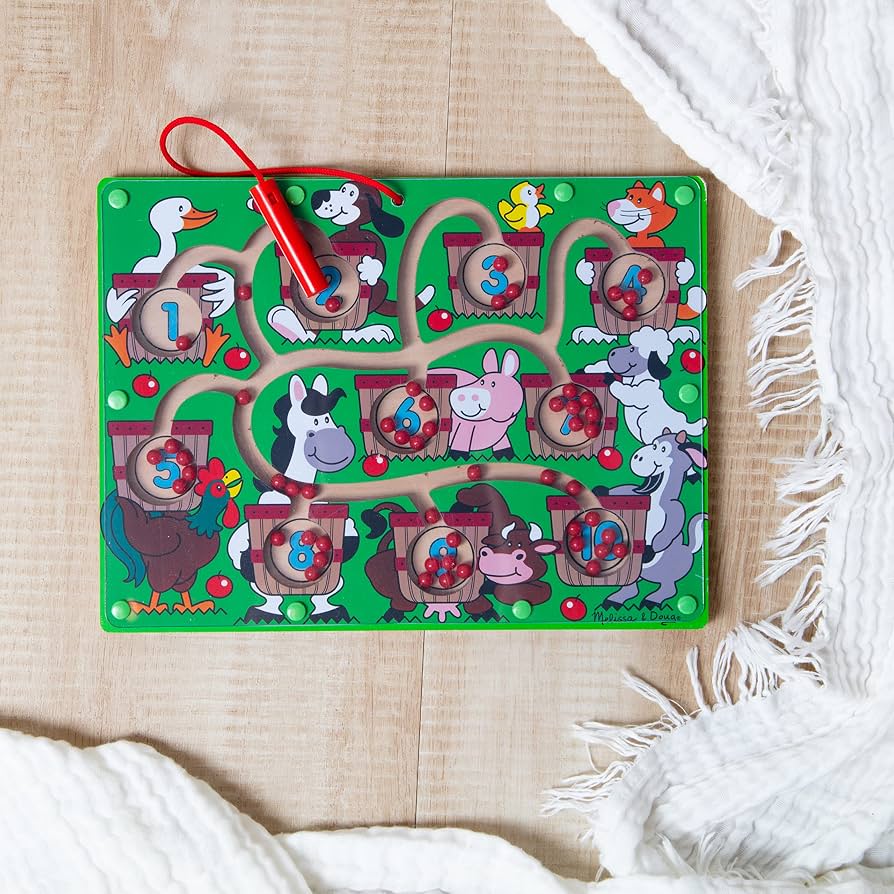
Storybook 13 of 18 · Woodland Friends · in production
He Did It!
Target words: irregular past (did · fell · went)
Understanding · receptive
Narrate the past the irregular way, right after it happens: “it FELL! the marble WENT down! you DID it!”
Using words · expressive
Replay the drama and leave the gap: “the tower… ?” — “FELL!” Recap games turn action into past tense.
Finding it tricky? Stick to the two superstars — “fell” and “went” — and say them at the instant of the event, every time.
Too easy? Ask for the full report afterwards: “tell Daddy what happened!” — “the marble went down and the tower fell!”
Practise it through play · 3 toy picks

Storybook 14 of 18 · Woodland Friends · in production
It Is, They Are
Target words: is · are (little BE verbs)
Understanding · receptive
Sprinkle is/are through your commentary: “the truck IS dirty… the people ARE happy… it IS stuck!”
Using words · expressive
Ask “what is it?” and “how are they?” questions that invite the little verb back: “it IS big!” — “they ARE sad!”
Finding it tricky? Don't correct the missing “is” — just echo the sentence back with it in: “dog big? Yes, the dog IS big!”
Too easy? Contrast singular and plural: “the cow IS eating… the cows ARE eating” — one animal or many changes the little word.
Practise it through play · 3 toy picks
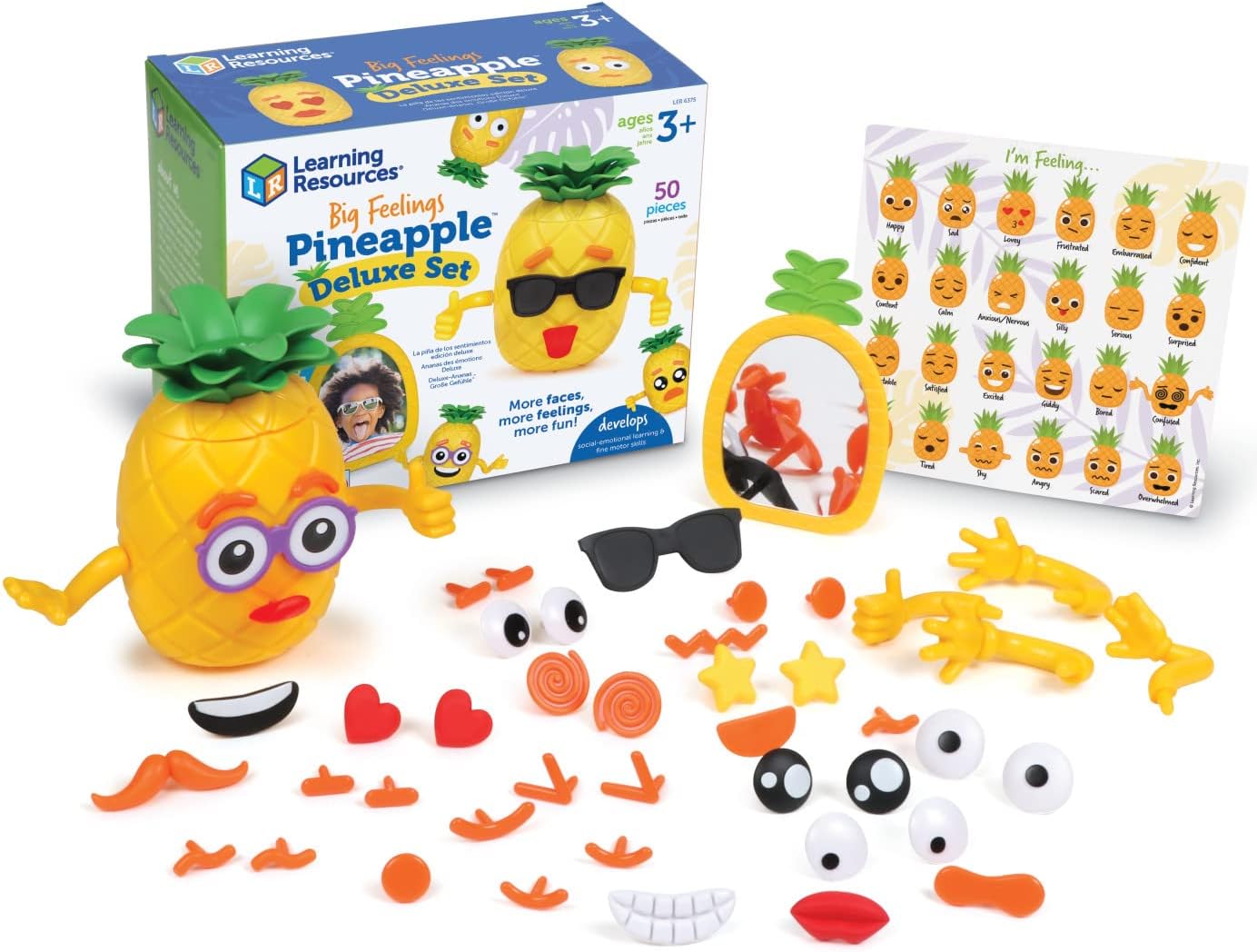
Storybook 15 of 18 · Woodland Friends · in production
Hard and Soft
Target words: hard · soft
Understanding · receptive
Squeeze everything: “the block is HARD… the dough is SOFT.” Hand things over for the squish test.
Using words · expressive
Run a feely quiz: “hard or soft?” — echo the verdict in a sentence: “yes! the pop-it is SOFT.”
Finding it tricky? Two objects, huge contrast, and the word said during the squeeze — feeling and word at the same instant.
Too easy? Sort a mixed basket into hard and soft teams, and demand reasons: “why is it soft?” — “it squishes!”
Practise it through play · 3 toy picks
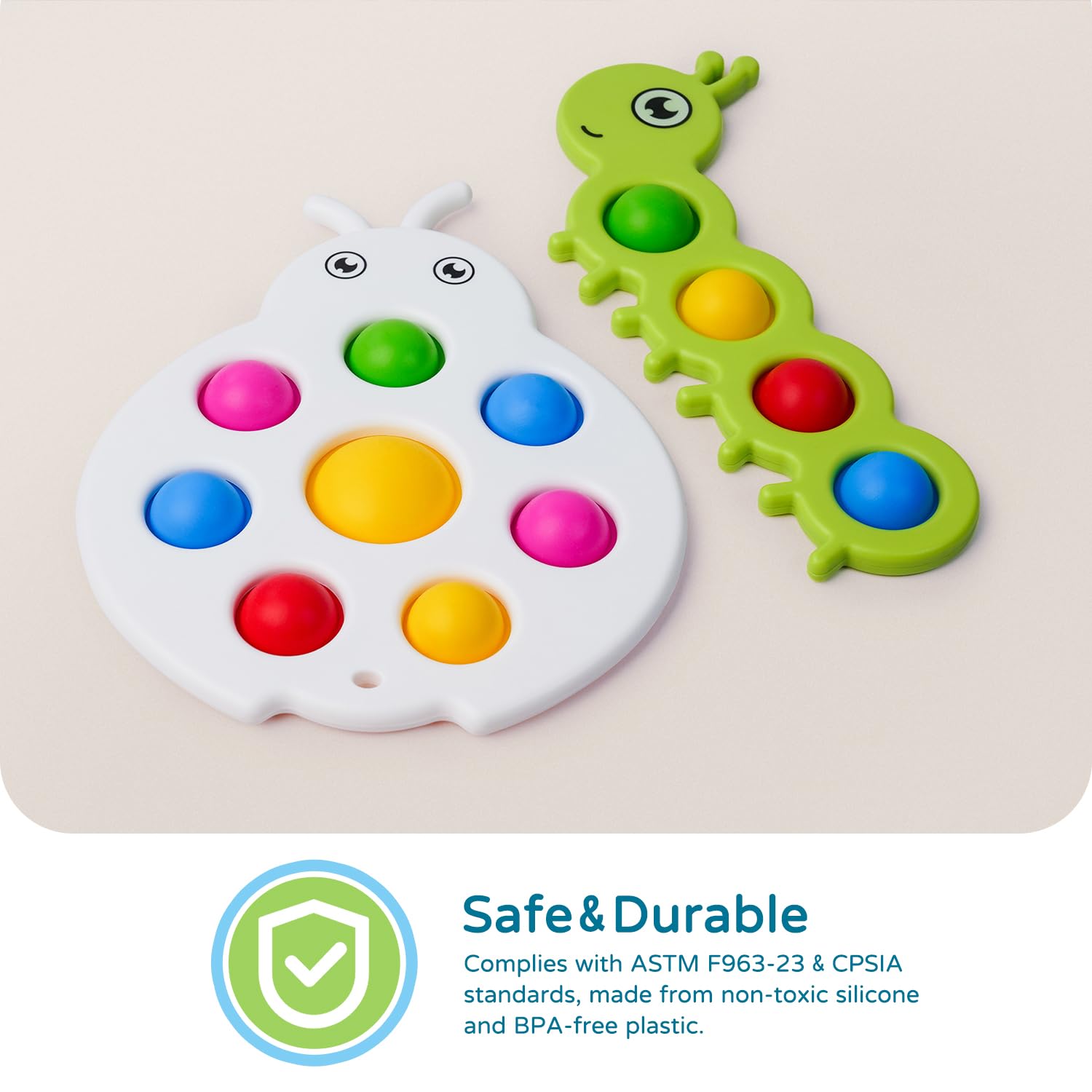
Storybook 16 of 18 · Woodland Friends · in production
Loud and Quiet
Target words: loud · quiet
Understanding · receptive
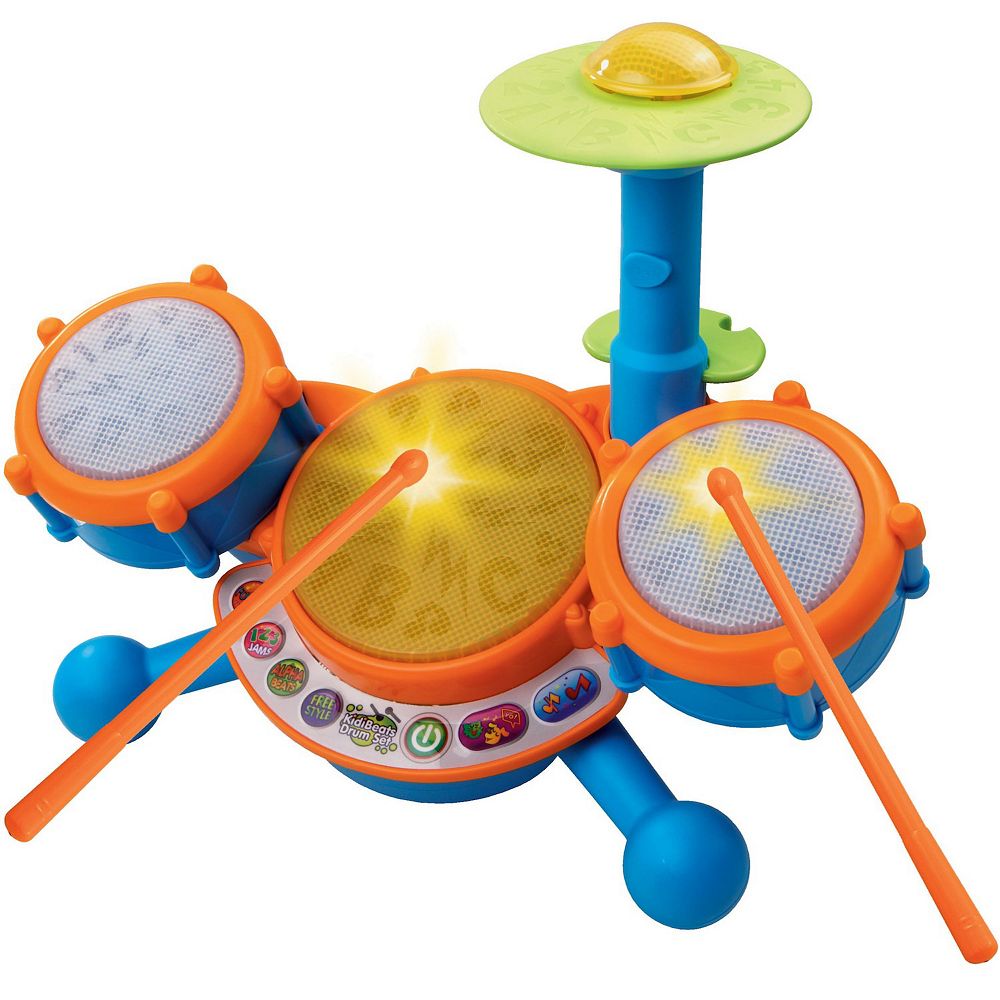
Play LOUD and quiet on the drums: “bang it LOUD!… now sooo quiet.” Whisper the word quiet, shout the word loud.
Using words · expressive
Conduct them like an orchestra: “make it loud!… make it quiet!” — then swap batons and obey their commands.
Finding it tricky? Let your voice model everything — LOUD in a big voice, quiet in a whisper. They will copy the volume before the word.
Too easy? Add degrees: “a little bit loud”, “SO quiet” — and talk about where each belongs: “inside voice is quiet.”
Practise it through play · 3 toy picks

Storybook 17 of 18 · Woodland Friends · in production
Clean and Dirty
Target words: clean · dirty
Understanding · receptive
Get things messy and fix them: “the truck is DIRTY — yuck! Let's clean it… now it's CLEAN!”
Using words · expressive
Inspect toys together: “clean or dirty?” — then hand over the cloth and narrate the transformation they cause.
Finding it tricky? Pair each word with a face: “dirty — yuck!”, “clean — ahh!” Expressions carry meaning while words catch up.
Too easy? Cause and effect: “it's dirty BECAUSE it fell in the mud” — clean/dirty becomes a little story with a reason.
Practise it through play · 3 toy picks
Storybook 18 of 18 · Woodland Friends · in production
Happy and Sad
Target words: feeling words
Understanding · receptive
Name feelings on the pineapple faces and in books: “he's HAPPY! Oh no, she's SAD.” Copy each face together.
Using words · expressive
Make a face and ask “happy or sad?” — then flip it: they make the face, you guess, everyone giggles.
Finding it tricky? Stick to happy and sad only, matched to big obvious moments: “cake — HAPPY! Dropped it — SAD.”
Too easy? Grow the set — cross, scared, excited — and attach reasons: “he's sad BECAUSE his ice-cream fell.”
Practise it through play · 3 toy picks
Two ways to travel
Two ways to grow your child's talking
Same milestones, same speech-pathologist goals — you simply choose how you get there. Follow the toys, follow Julia's books, or blend both. There's no wrong turn.
The Toy Way
Play the goals with toys
Pick a toy your child already loves. Each one comes with exactly what to say and do — Bronze, Silver and Gold goals from a speech pathologist. Buy the toy, and the play does the teaching.
Julia's Way
Weave the goals into everyday life
Prefer no new toys? Julia's Woodland Friends storybooks and parent handouts show you how to build the same goals into the routines you already have — mealtimes, bath time, the walk to the park.