Kit 10 of 17· 🥈 Band 3: Developing Communicators
The DESCRIBE IT Kit
Big, tiny, spotty, fast — the words that make sentences colorful
Why “describe it” matters
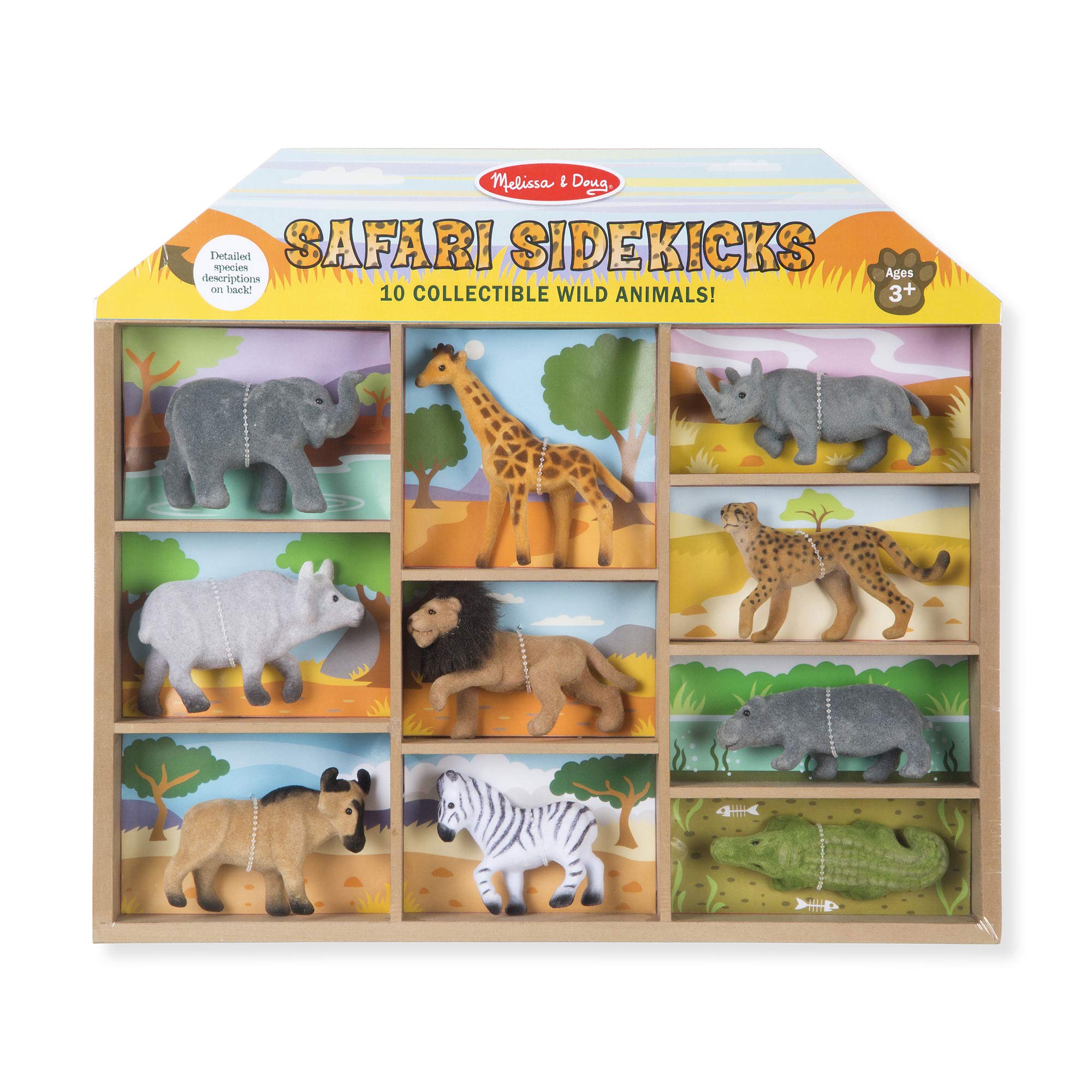
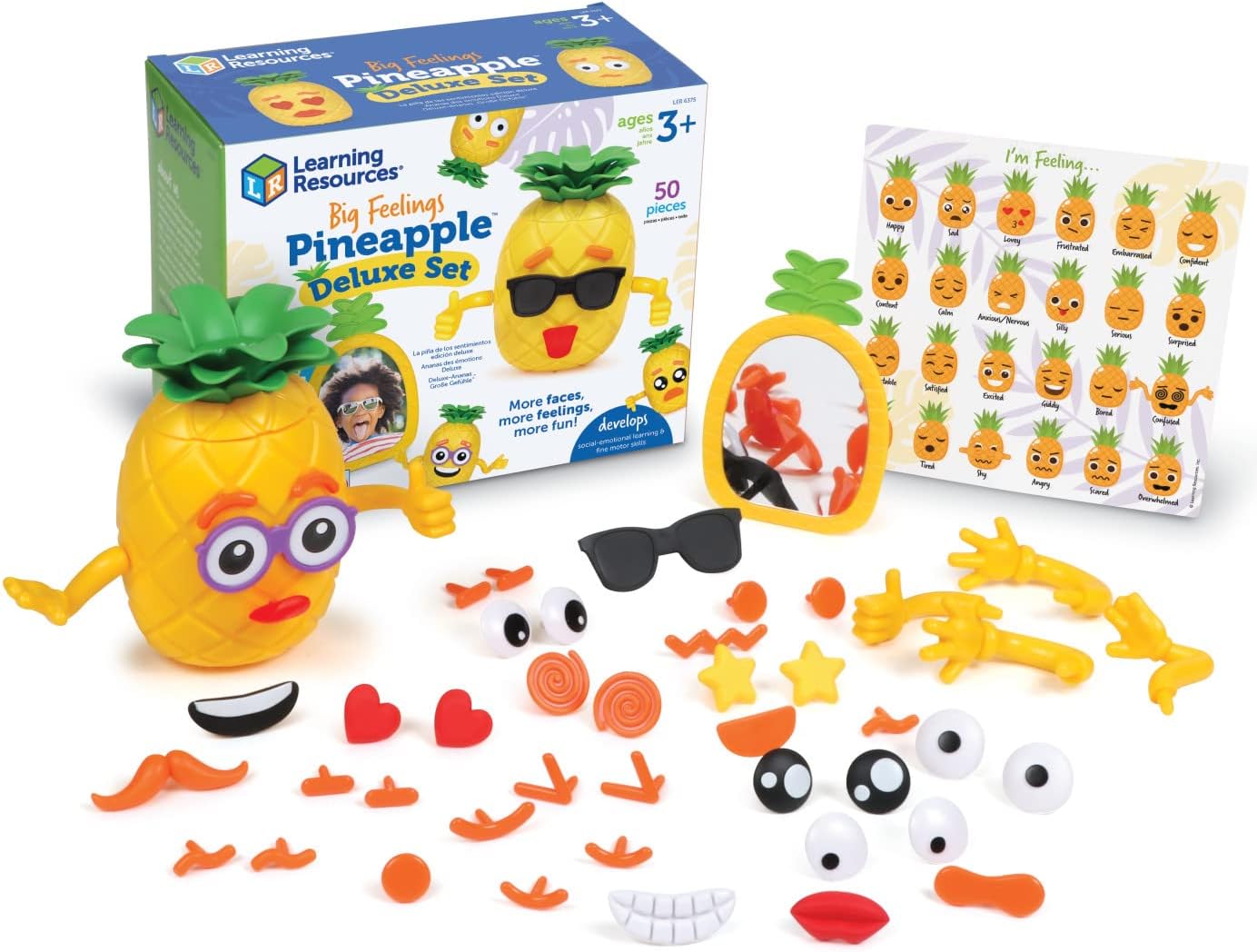
Describing words (adjectives) are what turn 'a dog' into 'a big wet muddy dog' — they stretch sentences longer almost automatically. Animal figures are the ideal teachers: every animal is big or little, stripy or spotty, fast or slow, and comparing two of them makes the describing word obvious. Squishy dough adds the touch-and-feel words — soft, sticky, long, flat — that children learn fastest through their hands. Feelings are describing words too — a happy face, a grumpy face — and building them piece by piece makes those invisible words visible. Children at this stage don't need drilling — they need a play partner who sprinkles in one juicy describing word at a time.
How to teach it — 4 simple steps
- 1
Line up two animals and compare out loud: 'This elephant is BIG. This mouse is... tiny!'
- 2
Add one describing word to whatever your child says: they say 'lion!' — you say 'yes, a HUGE lion!'
- 3
Play sorting games: all the big animals in one pile, all the little ones in another, naming as you go.
- 4
Ask open questions sparingly: 'What does the crocodile feel like?' Bumpy! Rough! Any word they offer is gold.
The 3 toys in this kit
Each one creates dozens of natural “describe it” moments — open a toy page for the full goals by level.