Foundation Language
📦 Band 2: Early Communicators
Single words are flowing and little combinations are starting: open the box, my turn, I want that. This band turns words into everyday requests — the moment talking starts to feel useful all day long.
Below are all 12 concepts in this band, in series order — and each one is its own Woodland Friends storybook by Julia. Work through them top to bottom at your child's own pace. Each one shows the target words, a quick guide to what to do (understanding is what your child takes in — receptive language; using words is what they say — expressive language), and 3 toys from the library that practise it beautifully. It's completely normal for a child to be stronger at one than the other. You can add any toy to your Amazon cart individually, or grab all three at once — prices and availability vary by country, and the buttons always open your local Amazon.
Woodland Friends · the storybooks for this band
Every concept below will be its own cosy Woodland Friends storybook — all 12 for this band are in production now and arriving October 2026. Pop your name on the waitlist and you'll hear the moment they land.
See the Band 1 books in the shopWord kits in this band
Storybook 1 of 12 · Woodland Friends · in production
Under and Over
Target words: under · over
Understanding · receptive
Fly a toy UNDER the table and OVER the chair, naming each as you go — then ask them to make teddy go “under!”
Using words · expressive
Set up a little obstacle course and pause at each choice point: “over or under?” Echo their answer back in a phrase: “UNDER the bridge!”
Finding it tricky? Focus on under only — it is the easier of the pair — and make it physical: crawl under things together, saying it as you go.
Too easy? Ask them to be the boss: they tell YOU where to make the animal go, and you follow their “over!” and “under!” exactly.
Practise it through play · 3 toy picks


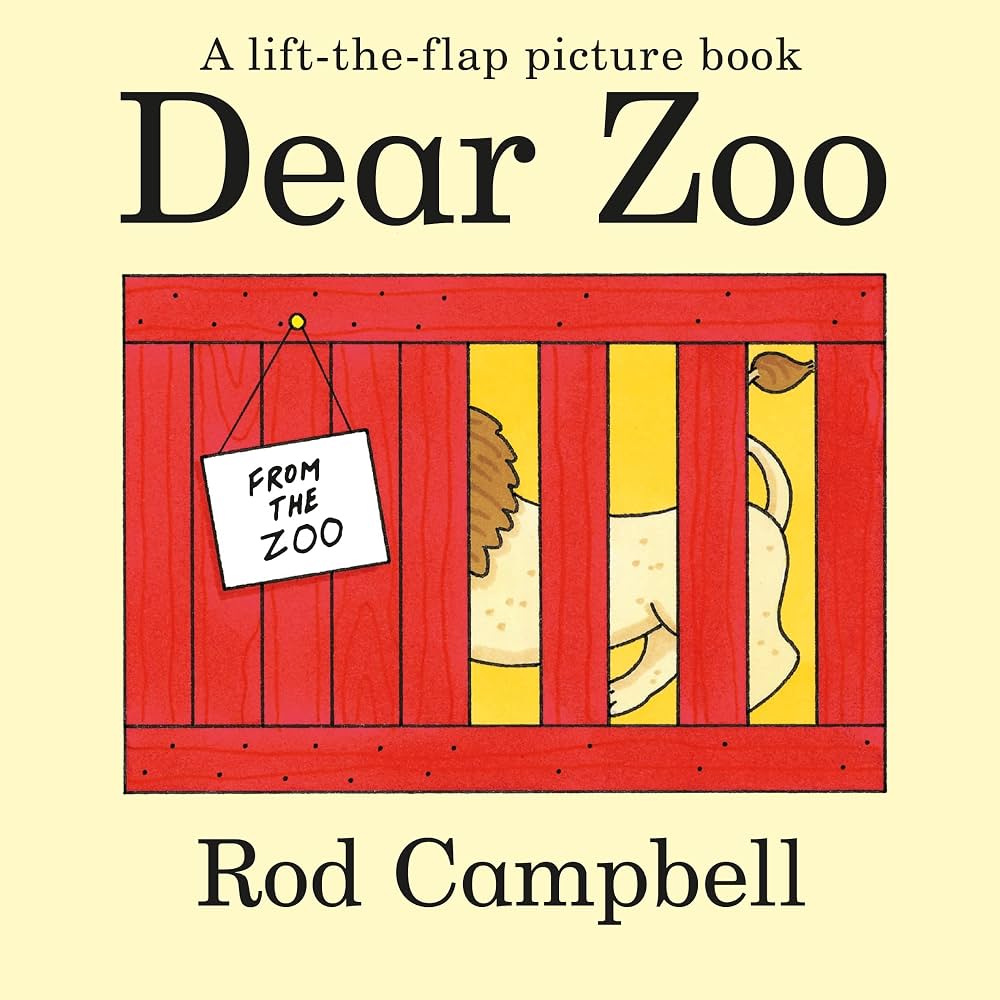
Storybook 2 of 12 · Woodland Friends · in production
Look on Top!
Target words: top
Understanding · receptive
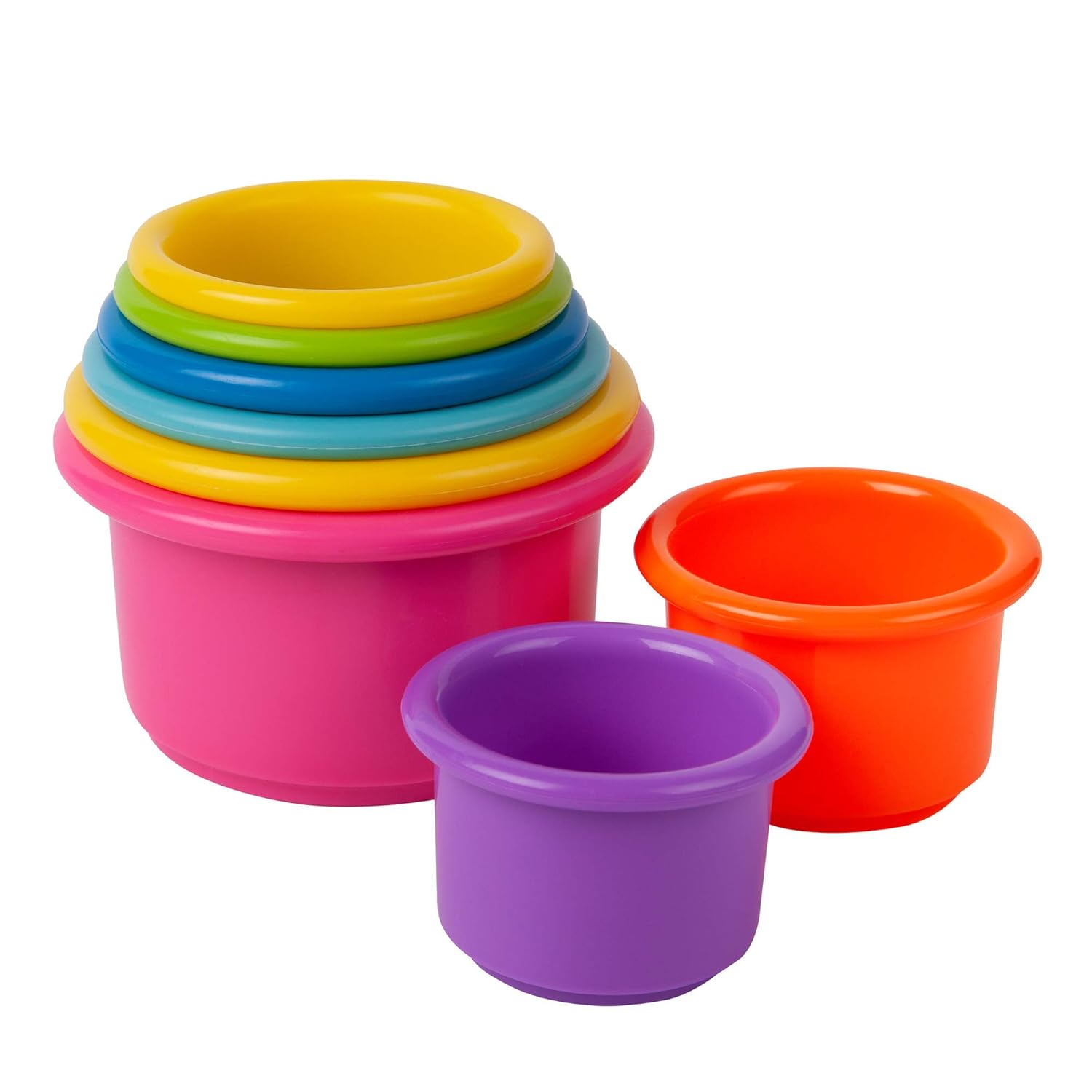
Stack and place things “on TOP” all day — “the cup goes on TOP”, “teddy is on TOP of the tower”.
Using words · expressive
Build together and pause with the final piece: “where does it go?… on TOP!” Wait for the word before you hand it over.
Finding it tricky? Tap the top of things as you name them — “top!” — head, tower, hill. One word, lots of moments.
Too easy? Contrast with the bottom: “on top… at the bottom” — then “who's on top NOW?” games.
Practise it through play · 3 toy picks

Storybook 3 of 12 · Woodland Friends · in production
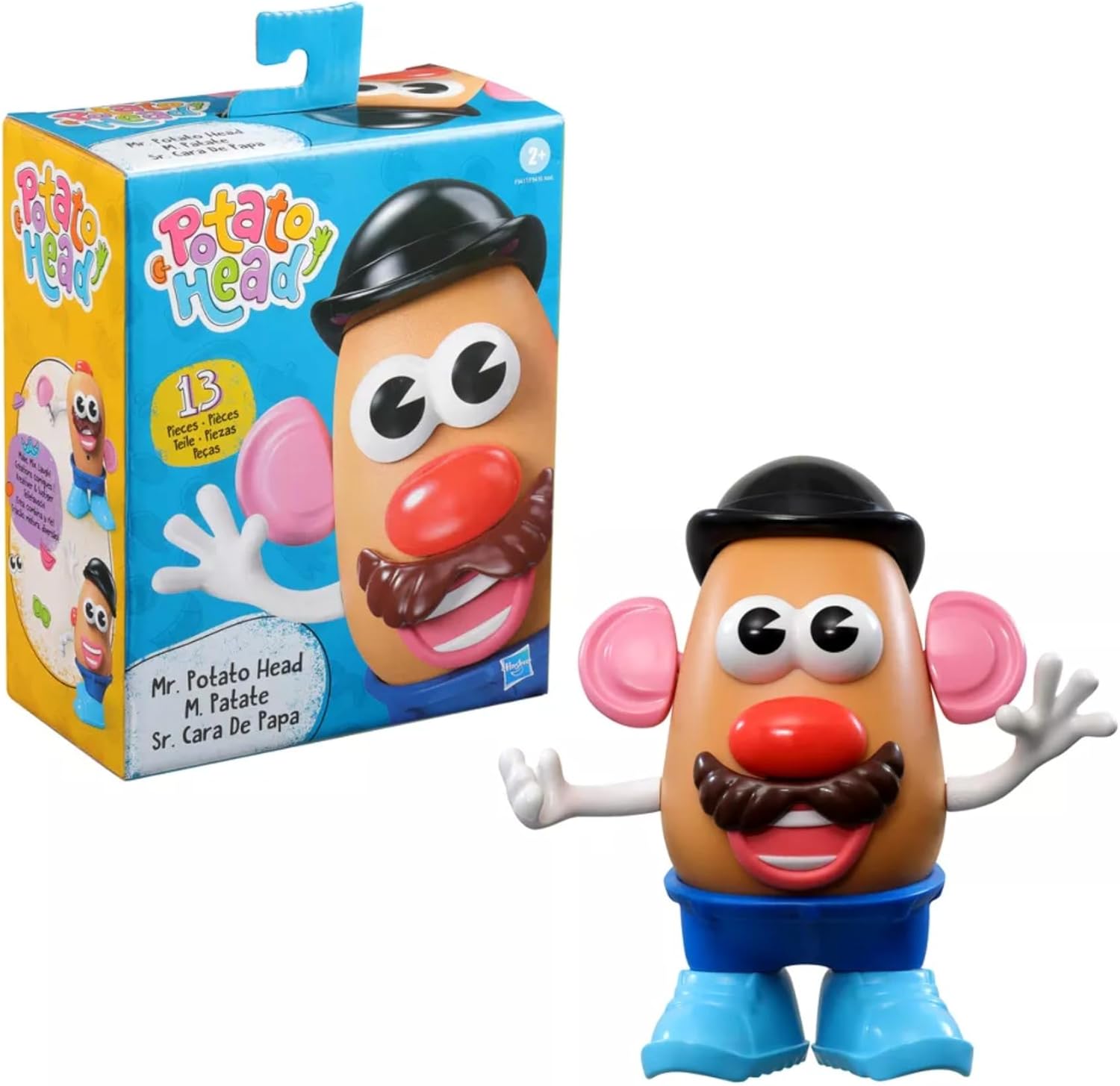
Some for Me
Target words: some
Understanding · receptive
Share things out loud: “SOME for you… some for me.” Pour some, not all — “just SOME”.
Using words · expressive
Hold the tub and wait for the ask: model “some please!” and hand over a few, never all — so the word keeps working.
Finding it tricky? Go back to “more” if “some” is slippery — then sneak “some” in as the answer: “you want more? Here's SOME.”
Too easy? Contrast amounts: “some or ALL of it?” — and let their answer decide what actually happens.
Practise it through play · 3 toy picks
Storybook 4 of 12 · Woodland Friends · in production
Empty and Full
Target words: empty · full
Understanding · receptive
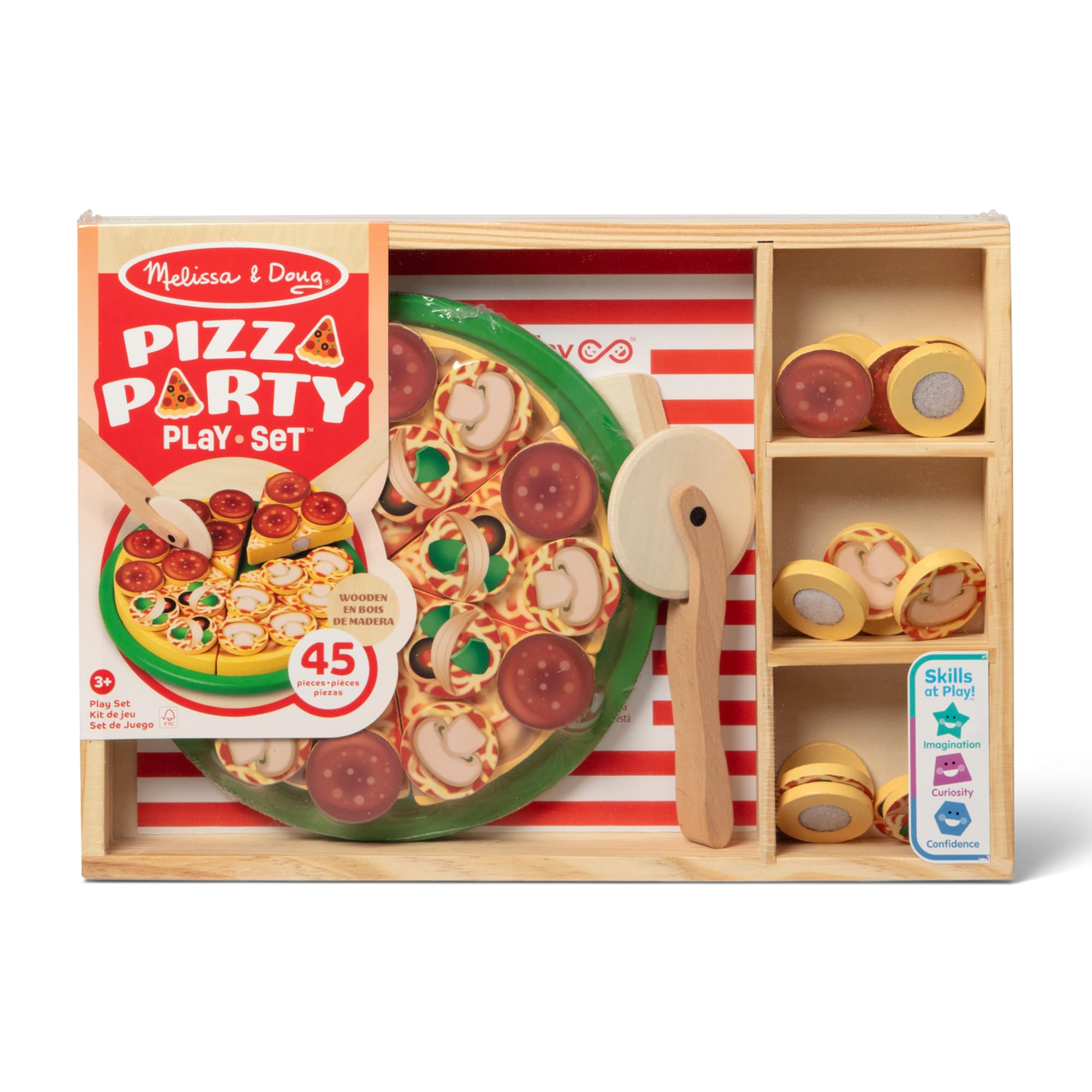
Fill and tip cups and trucks with running commentary: “it's FULL… tip it… EMPTY!” Let them feel the difference in weight.
Using words · expressive
Pause before the tip and wait: “it's full… now make it…?” — “EMPTY!” The dump truck was built for this word.
Finding it tricky? Exaggerate the contrast: a really full cup, a really empty one, and just the two words — full, empty — at the right moments.
Too easy? Add degree words: “nearly full”, “all empty” — or flip it into a request: “fill it up!”
Practise it through play · 3 toy picks
Storybook 5 of 12 · Woodland Friends · in production
One Like This
Target words: same (asking for a match)
Understanding · receptive
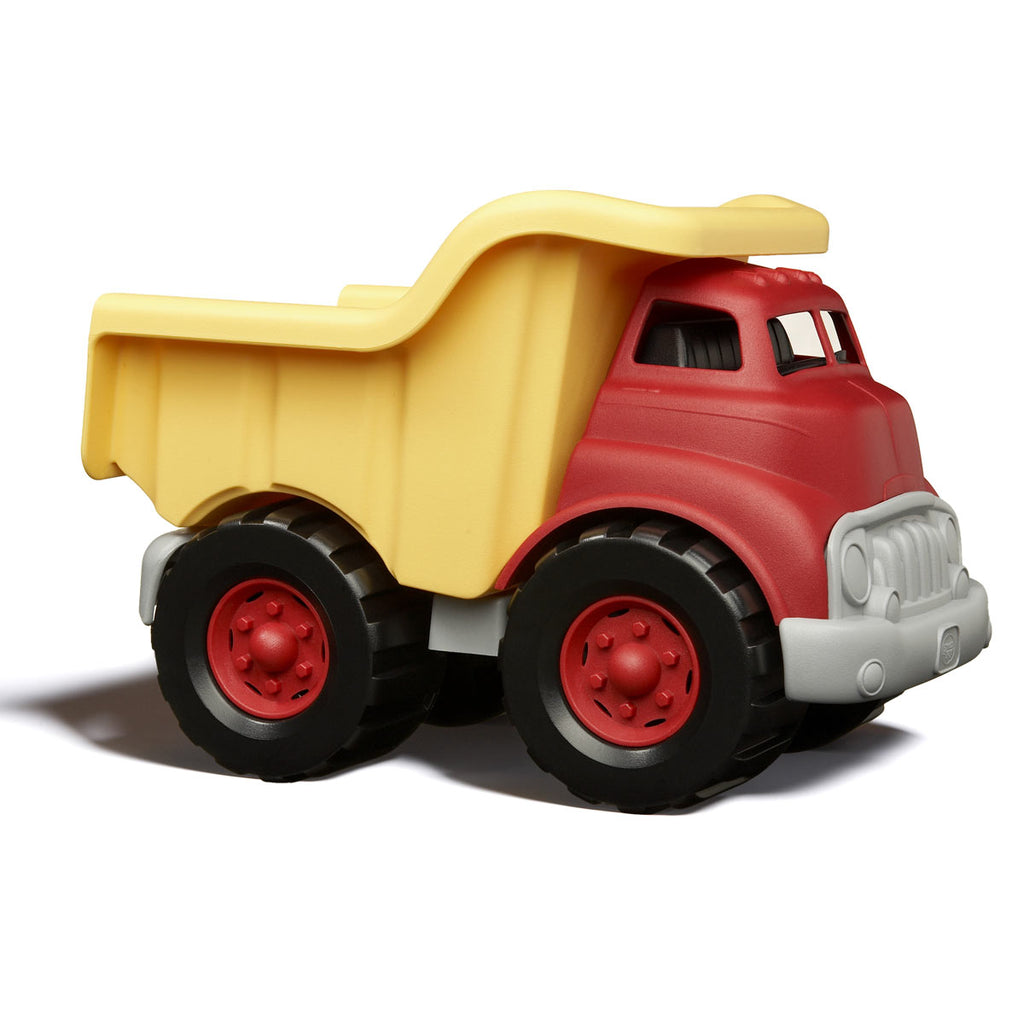
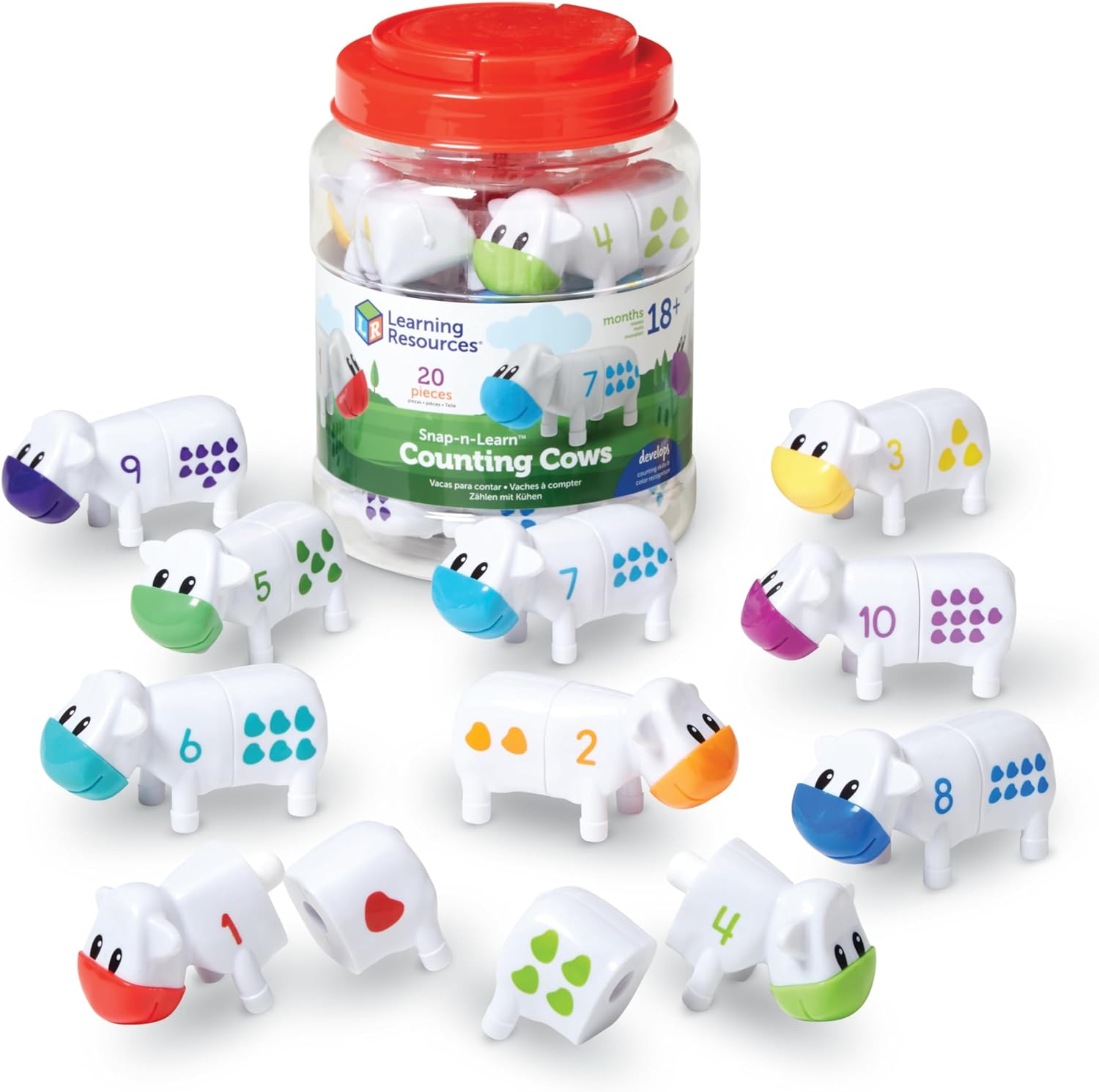
Hold up your cow and ask for “one like THIS!” — matching from a pile is understanding “same” in action.
Using words · expressive
When they want your toy, teach the trade: “one like this? SAME!” — wait for “same!” before handing the match over.
Finding it tricky? Go back to matching pairs side by side with you naming the moment: “same!” — no request required yet.
Too easy? Hide the match in a group of near-misses so they have to look properly — then “is it the same? YES, same!”
Practise it through play · 3 toy picks

Storybook 6 of 12 · Woodland Friends · in production
Big Bear, Little Bear
Target words: big · little (contrasting)
Understanding · receptive
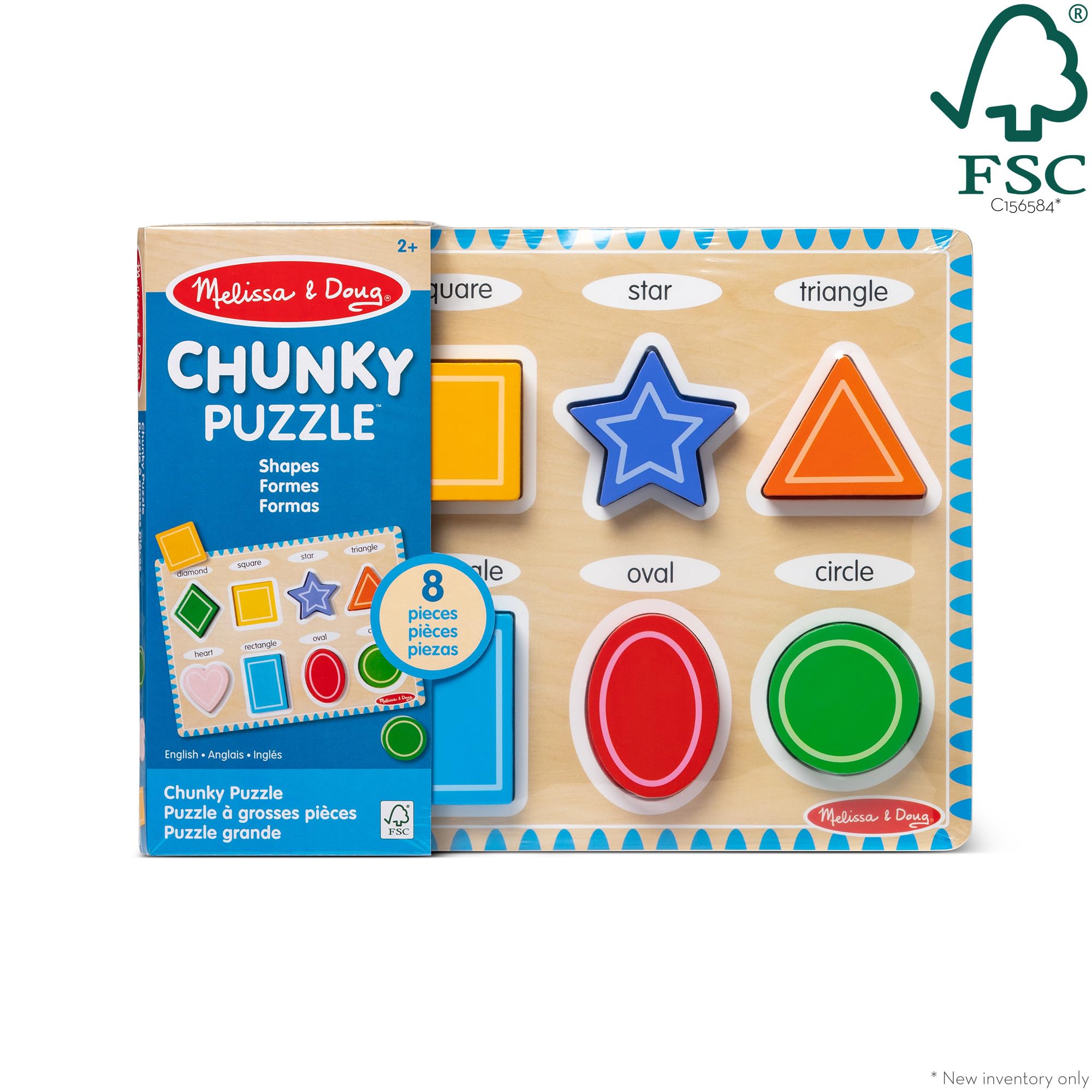
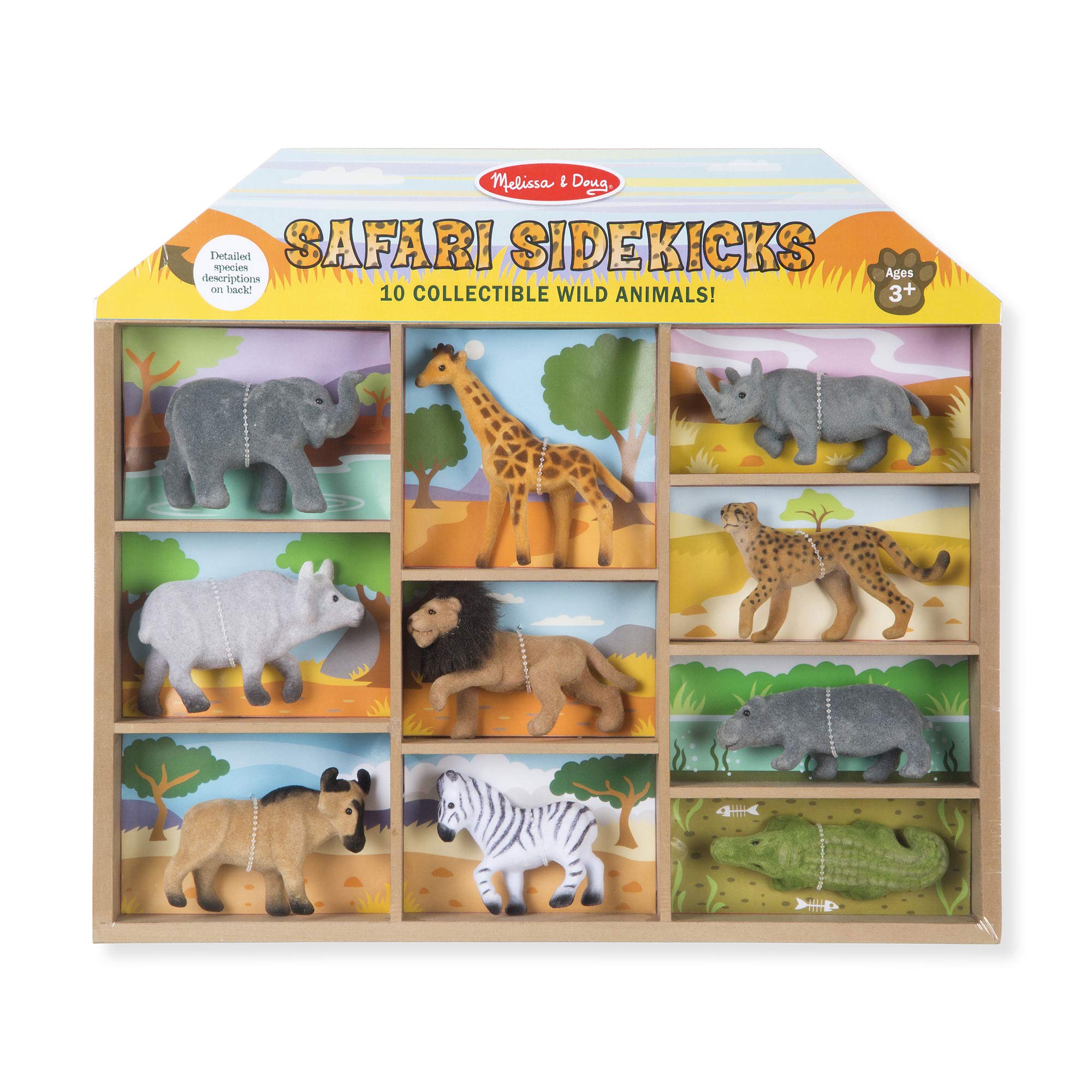
Play out big/little contrasts: big lion, little lion — “the BIG one goes stomp stomp, the little one goes tip-toe.”
Using words · expressive
Sort animals into a big pile and a little pile, waiting for them to label each before it lands: “BIG!… little!”
Finding it tricky? One pair only, wildly different sizes, and your voice doing the work — deep voice for big, squeaky for little.
Too easy? Ask for descriptions in phrases: “a big elephant!”, “a little mouse!” — noun plus describing word.
Practise it through play · 3 toy picks
Storybook 7 of 12 · Woodland Friends · in production
Splash! Wet and Dry
Target words: wet · dry
Understanding · receptive
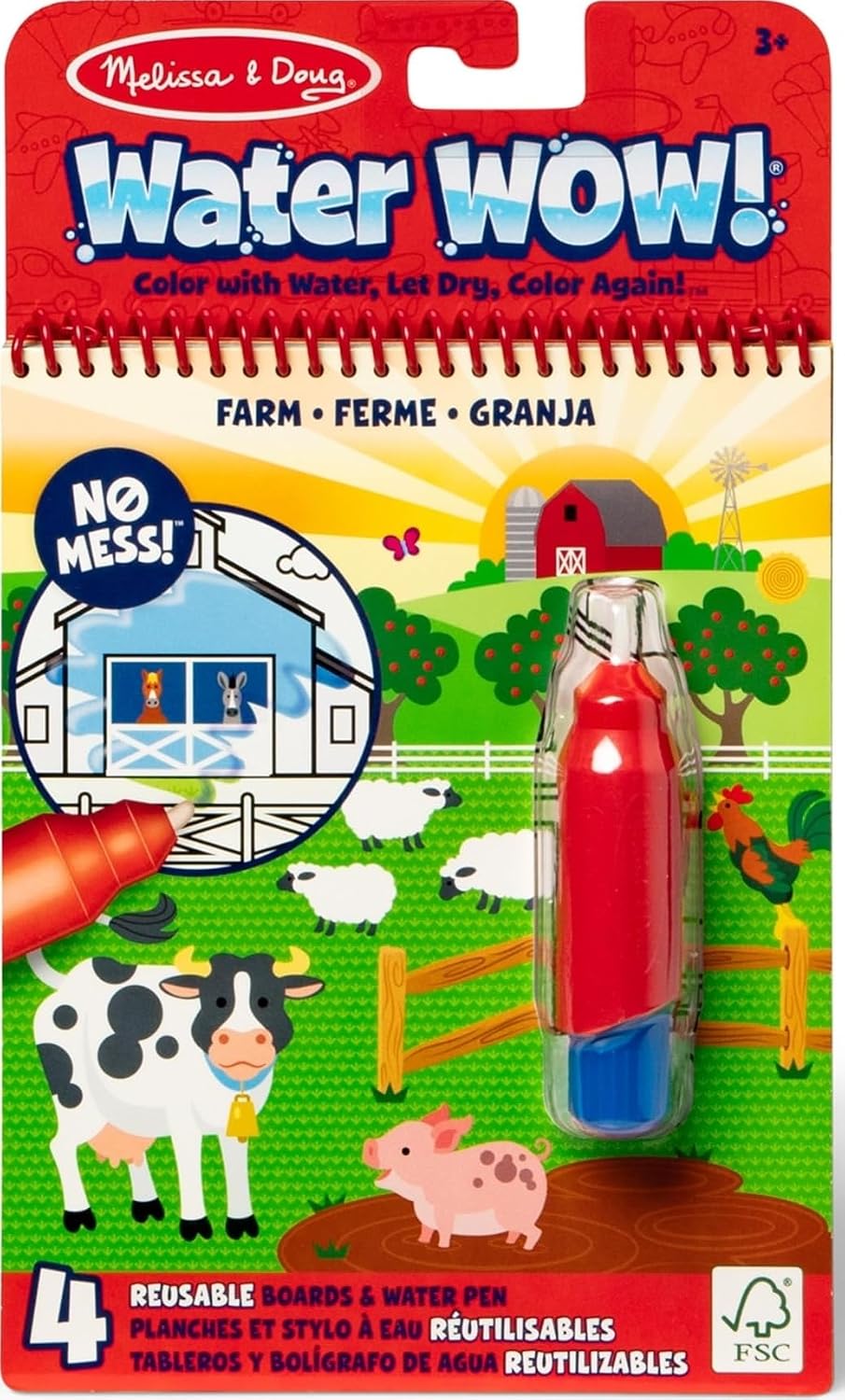
Water Wow pages are magic for this: “paint it — it's WET! Watch… it's going DRY!” Bath time repeats the lesson nightly.
Using words · expressive
Touch the page together and ask “wet or dry?” — accept the word, then prove it with their own finger.
Finding it tricky? Pair each word with a feel: dip hands — “WET!”, towel rub — “DRY!” Feeling first, word second.
Too easy? Combine into little sentences: “the farm is wet!”, “it went dry!” — past tense sneaks in for free.
Practise it through play · 3 toy picks


Storybook 8 of 12 · Woodland Friends · in production
Hot and Cold
Target words: hot · cold
Understanding · receptive
Blow on pretend tea theatrically: “careful — HOT!” Serve ice-cream: “brrr, COLD!” The drama is the dictionary.
Using words · expressive
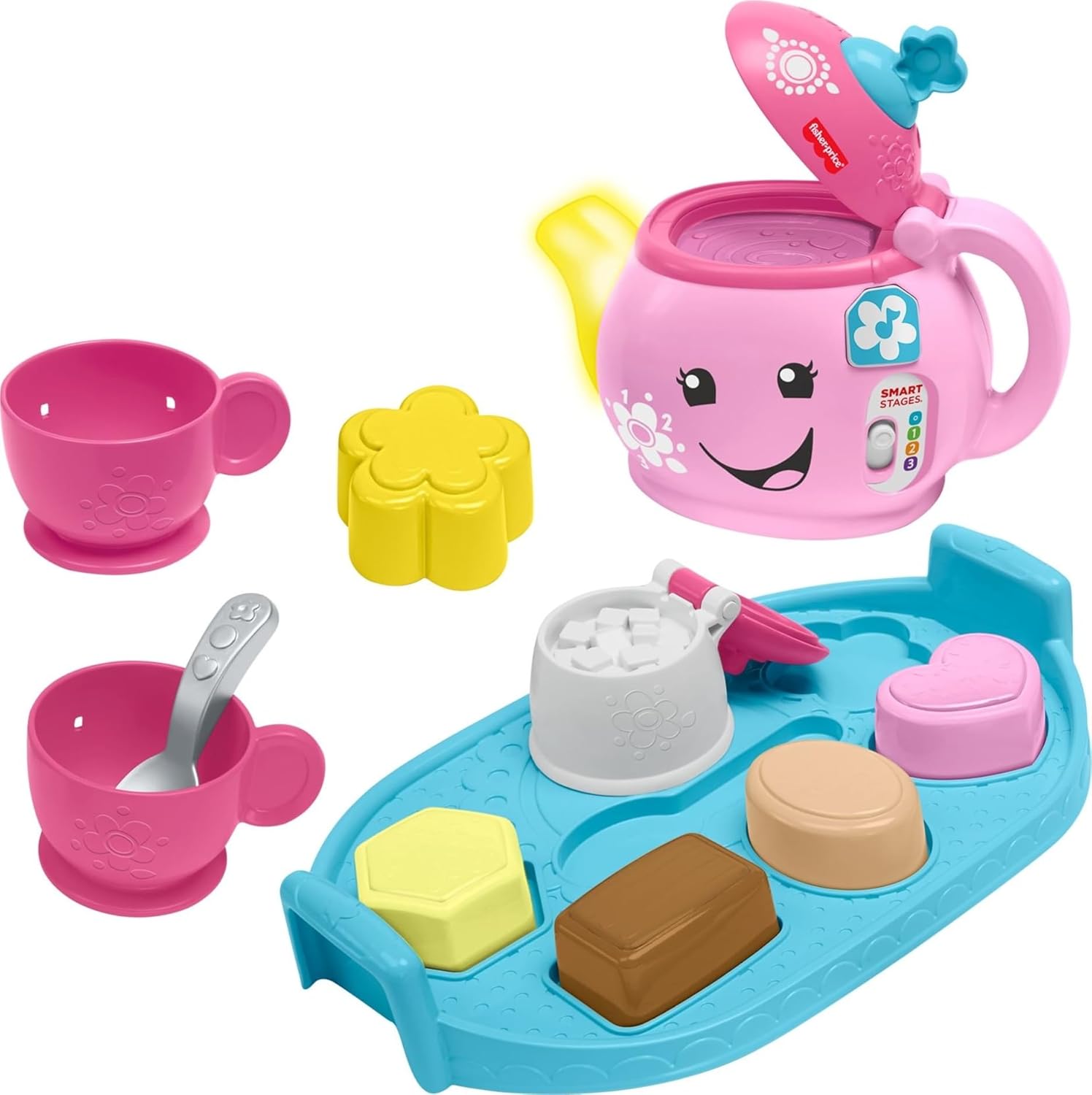
Offer pretend food and wait for the verdict: “is it hot… or cold?” Echo it back in a phrase: “HOT tea! Blow blow blow.”
Finding it tricky? Anchor to real life: bath water, fridge door, warm toast — one word at the right moment beats ten at the wrong one.
Too easy? Add the reaction: “it's hot — blow it!”, “it's cold — brrr!” — cause and effect in four words.
Practise it through play · 3 toy picks
Storybook 9 of 12 · Woodland Friends · in production
Doing It!
Target words: action words + -ing
Understanding · receptive
Narrate actions as they happen with -ing: “you're POURING… teddy is JUMPING… we're POPPING bubbles!”
Using words · expressive
Do an action, freeze, and ask “what's happening?” Model the -ing answer — “jumping!” — and swap turns.
Finding it tricky? Use bare action words first — “jump!”, “pop!”, “eat!” — commands are easier than commentary.
Too easy? Full little sentences: “the dog is running!” — point to busy pictures and take turns reporting the news.
Practise it through play · 3 toy picks


Storybook 10 of 12 · Woodland Friends · in production
Lots of Cats
Target words: plural -s
Understanding · receptive
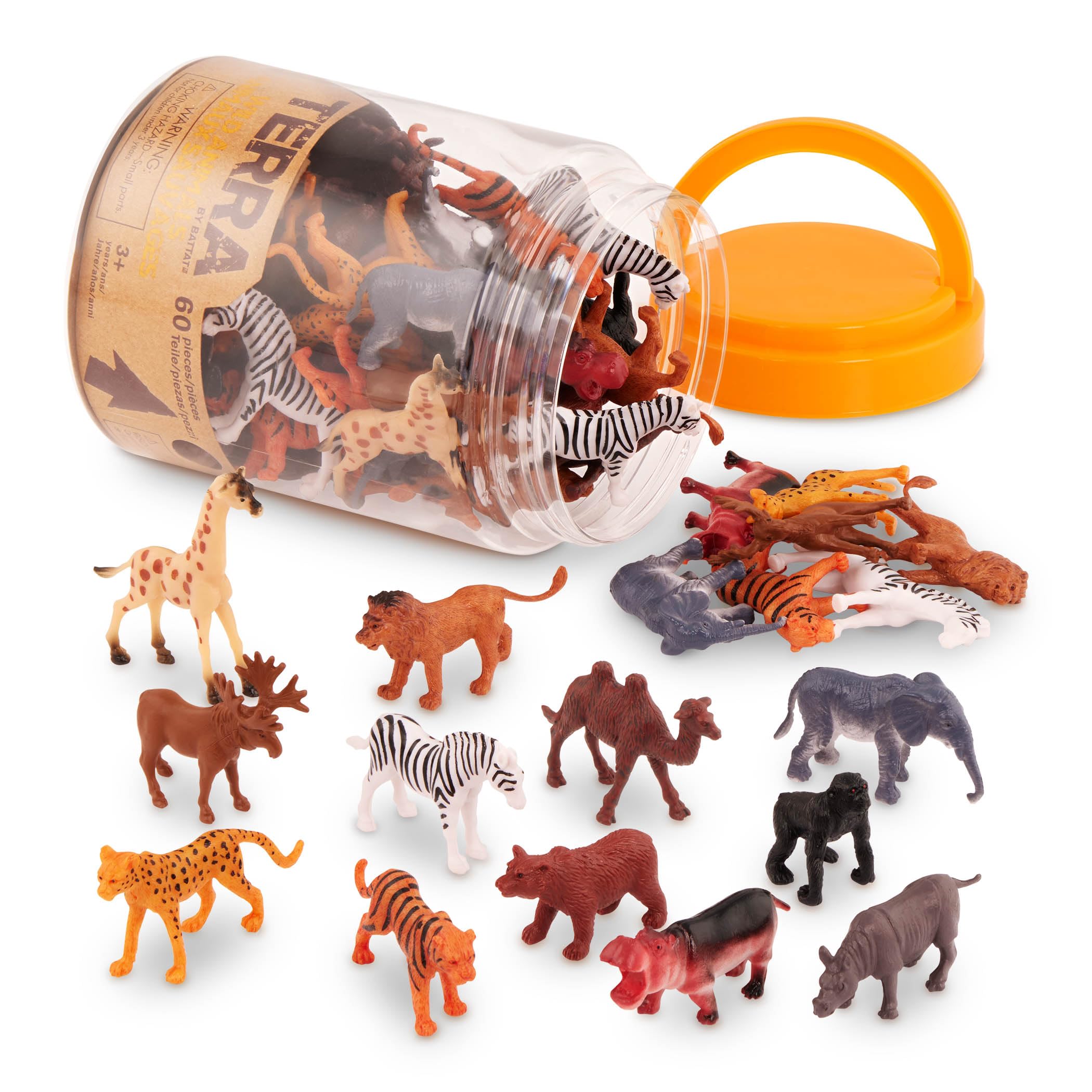
Count out the animals with the -s landing hard: “one cat… two catSSS!” Let them hear the plural do its job.
Using words · expressive
Hold up one, then a handful: “cat… and now?… CATS!” Make the s the whole game.
Finding it tricky? Emphasise “lots!” and “many!” with big gestures first — the idea of more-than-one comes before the grammar.
Too easy? Hunt plurals in books: “find the dogs!” vs “find the dog!” — one tiny sound changes what they point to.
Practise it through play · 3 toy picks
Storybook 11 of 12 · Woodland Friends · in production
Me and Mine
Target words: I · me · my
Understanding · receptive
Mark ownership all day: “MY shoes… YOUR cup… that's MINE!” — tap chests: “me!”, “you!”
Using words · expressive
Play a turn-taking game and model the claim: “MY turn!” — then hand it over for their “my turn!” Full circle.
Finding it tricky? Use names first if pronouns tangle: “Mummy's turn… Alice's turn” — then swap names for my/your later.
Too easy? Push into “I” sentences: “I do it!”, “I want that!”, “me and you” — the self has arrived; give it grammar.
Practise it through play · 3 toy picks
Storybook 12 of 12 · Woodland Friends · in production
Putting It All Together
Target words: Band 2 words in everyday routines
Understanding · receptive
Run a whole routine — tea party, truck wash — using Band 2 words together: “the cup is FULL… careful, HOT… MY cup!”
Using words · expressive
Set up little problems mid-play and wait: an empty pot, a too-hot pie, a missing lid — each one begs a Band 2 word.
Finding it tricky? Pick their favourite three words from this band and pour everything into those — depth beats coverage.
Too easy? Chain two concepts in one go: “MY cup is EMPTY!” — if that lands, Band 3 is calling.
Practise it through play · 3 toy picks
Two ways to travel
Two ways to grow your child's talking
Same milestones, same speech-pathologist goals — you simply choose how you get there. Follow the toys, follow Julia's books, or blend both. There's no wrong turn.
The Toy Way
Play the goals with toys
Pick a toy your child already loves. Each one comes with exactly what to say and do — Bronze, Silver and Gold goals from a speech pathologist. Buy the toy, and the play does the teaching.
Julia's Way
Weave the goals into everyday life
Prefer no new toys? Julia's Woodland Friends storybooks and parent handouts show you how to build the same goals into the routines you already have — mealtimes, bath time, the walk to the park.