Extending Language
📖 Band 6: Reasoning Communicators
The finish line of the journey: why and because, what if, pretending whole scenes and holding real conversations. This is language for thinking out loud — the language of friendships and school.
Below are all 34 concepts in this band, in series order — and each one is its own Woodland Friends storybook by Julia. Work through them top to bottom at your child's own pace. Each one shows the target words, a quick guide to what to do (understanding is what your child takes in — receptive language; using words is what they say — expressive language), and 3 toys from the library that practise it beautifully. It's completely normal for a child to be stronger at one than the other. You can add any toy to your Amazon cart individually, or grab all three at once — prices and availability vary by country, and the buttons always open your local Amazon.
Woodland Friends · the storybooks for this band
Every concept below will be its own cosy Woodland Friends storybook — all 34 for this band are in production now and arriving February 2027. Pop your name on the waitlist and you'll hear the moment they land.
See the Band 1 books in the shopWord kits in this band
Storybook 1 of 34 · Woodland Friends · in production
Left and Right
Target words: left · right
Understanding · receptive
Steer everything by LEFT and RIGHT: “turn LEFT at the funnel! the marble went RIGHT!” Tap the correct hand as you say it.
Using words · expressive
Make them the navigator: you move only on their “left!” or “right!” — wrong calls end in comic crashes.
Finding it tricky? Mark one hand (a sticker on the right) and play simple “which hand?” games — the body learns first.
Too easy? Other people's left and right: “MY left is YOUR right when we face each other!” — perspective-taking, the boss level.
Practise it through play · 3 toy picks

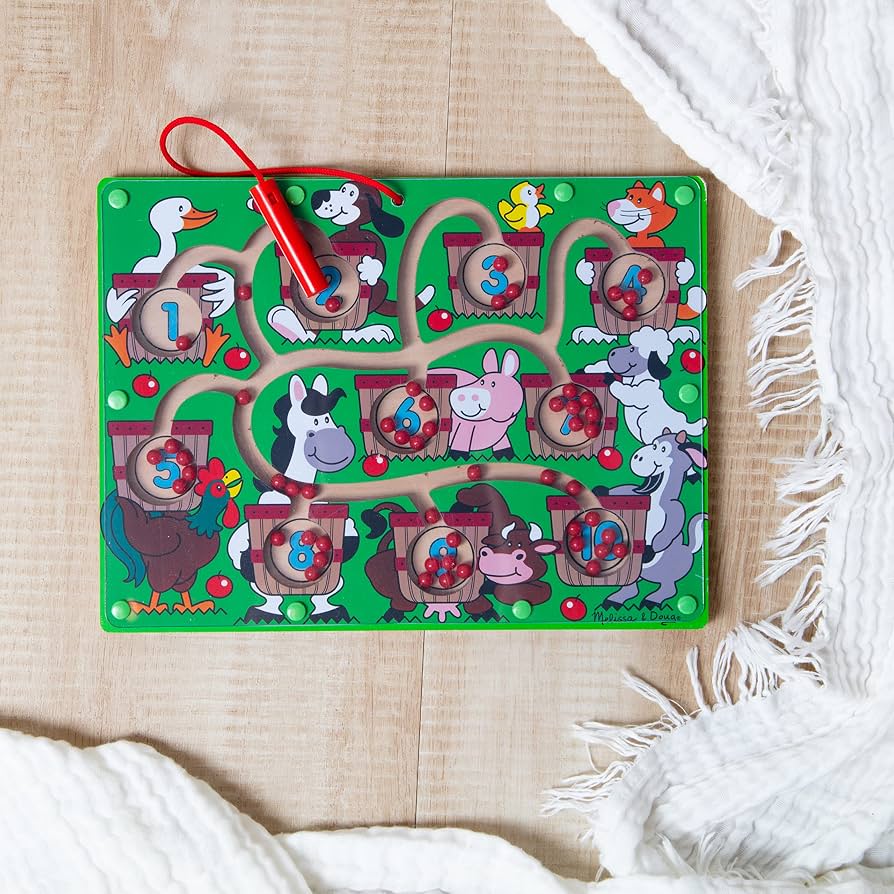
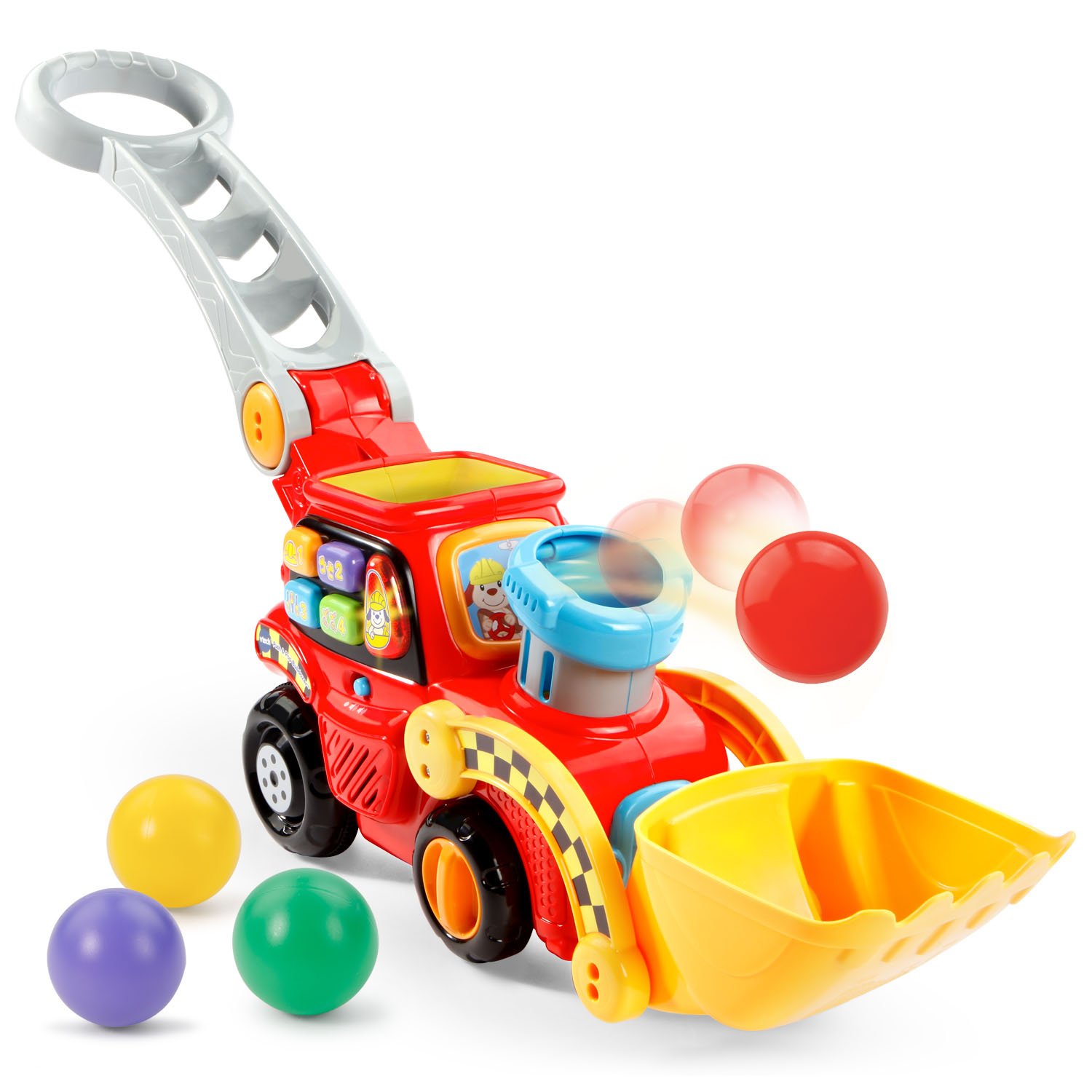
Storybook 2 of 34 · Woodland Friends · in production
Corners and Edges
Target words: corners · edges · sides
Understanding · receptive
Trace shapes while naming the anatomy: “a triangle — count the CORNERS! run your finger along the EDGE.”
Using words · expressive
Play shape detectives: “find something with four corners!” — wait for reports: “the book has corners AND edges!”
Finding it tricky? One shape, one feature: corners on the triangle puzzle piece, felt one by one — “corner… corner… corner!”
Too easy? Define shapes by their features: “what makes it a square?” — “four corners and four sides the same!”
Practise it through play · 3 toy picks
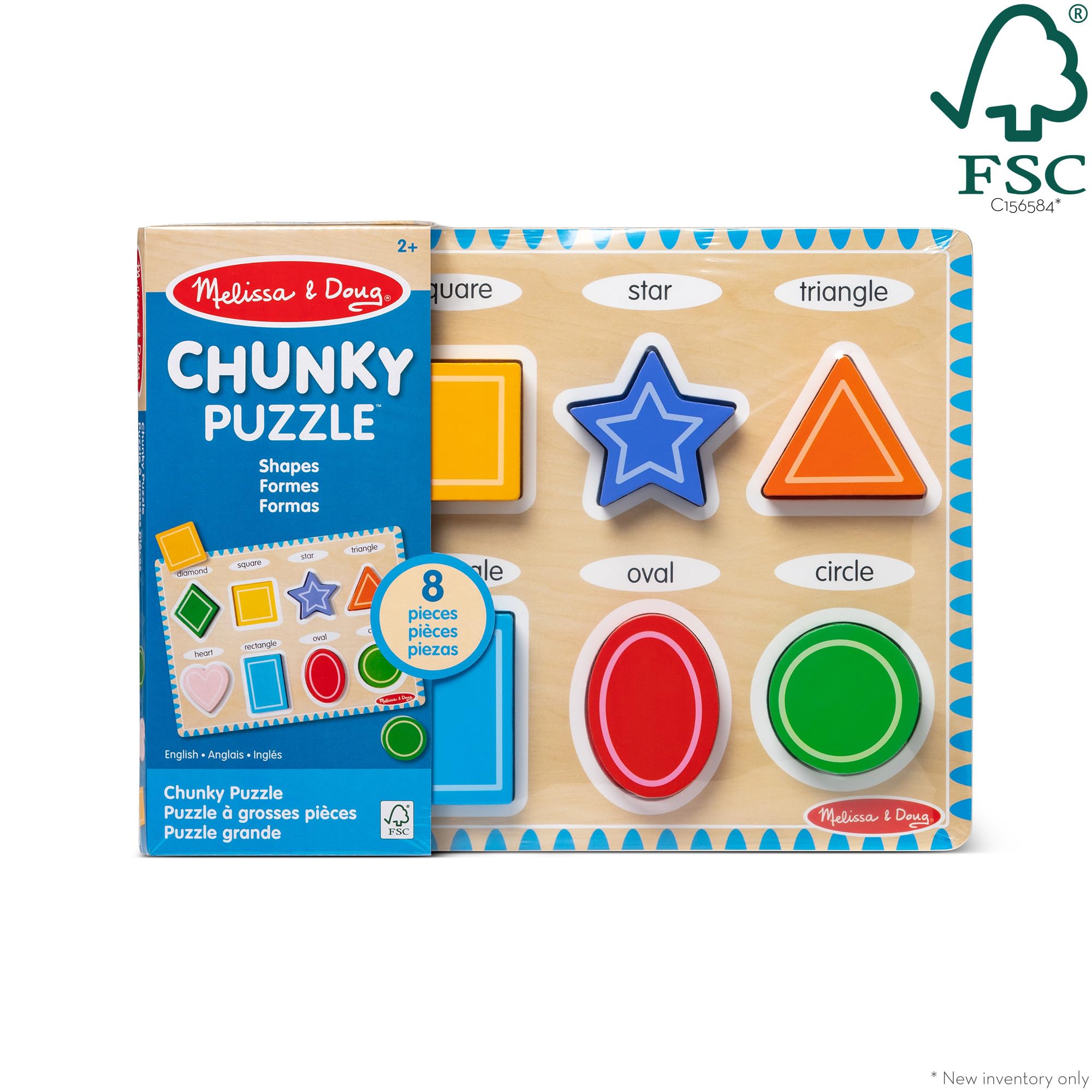

Storybook 3 of 34 · Woodland Friends · in production
First, Second, Third
Target words: ordinal numbers
Understanding · receptive
Commentate every race in ordinals: “the red marble is FIRST! blue is SECOND… green limps in THIRD.”
Using words · expressive
Demand podium reports: “who came second?” — then let them commentate the rematch, ordinals and all.
Finding it tricky? First and last only — the middle rankings join once the ends are automatic.
Too easy? Ordinals beyond racing: “the third step, the second page, my first tooth!” — order colonises daily life.
Practise it through play · 3 toy picks


Storybook 4 of 34 · Woodland Friends · in production
Almost and Nearly, Pair and Double
Target words: almost · nearly · pair · double
Understanding · receptive
Narrate the near-misses: “ALMOST! it NEARLY reached the cup!” Pair up cubes: “two the same — a PAIR! Two pairs — a DOUBLE!”
Using words · expressive
Celebrate close attempts out loud: “how close was it?” — “SO close! nearly in!” — precision about almost.
Finding it tricky? Almost as a cheer first: every near-miss gets an “ALMOST!” with a fist-clench — meaning through emotion.
Too easy? Estimate with it: “is it nearly finished? almost half? double what we had?” — the mathematics of nearly.
Practise it through play · 3 toy picks
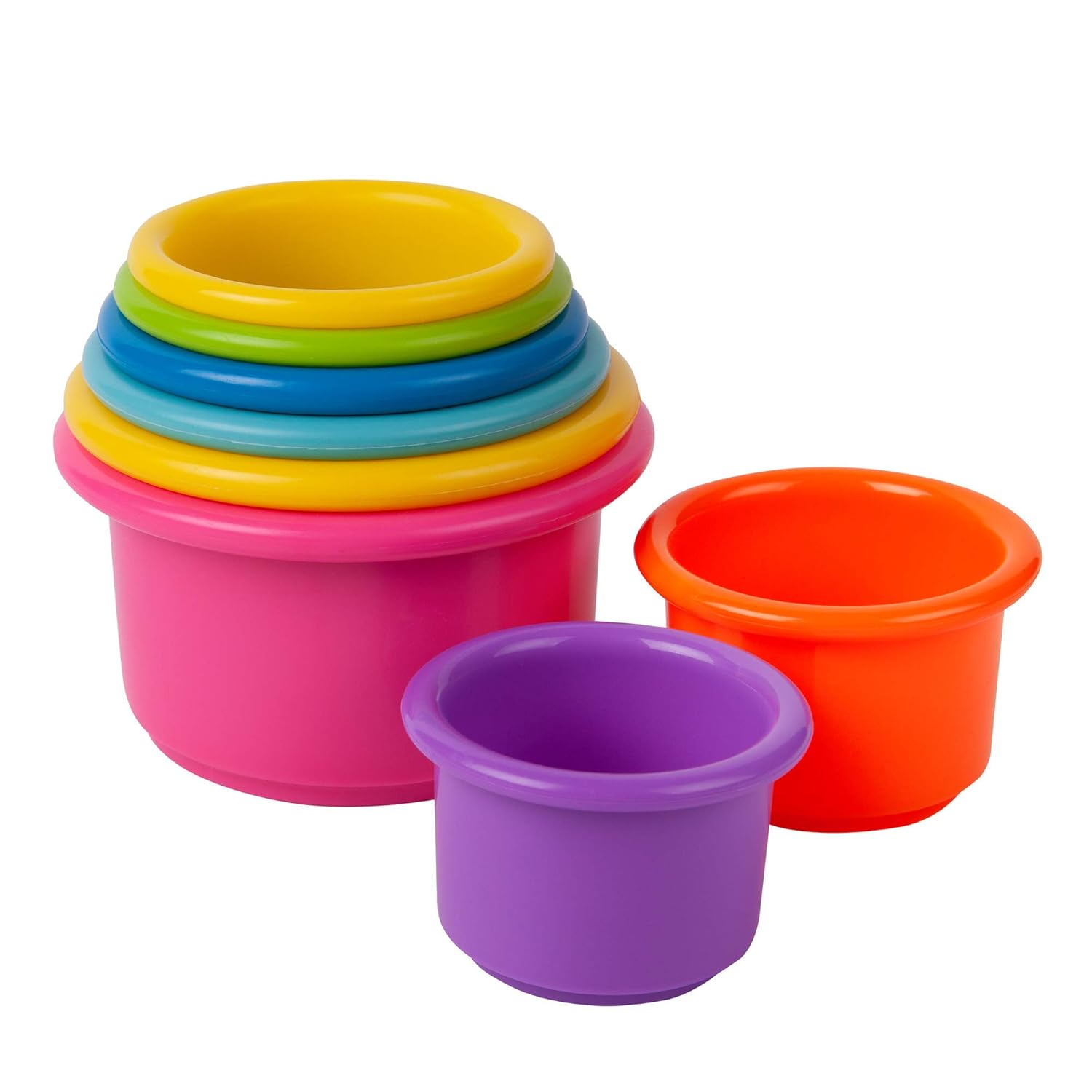
Storybook 5 of 34 · Woodland Friends · in production
Always, Sometimes, Never
Target words: how often things happen
Understanding · receptive
Sort life into frequencies on the calendar: “we ALWAYS brush teeth. SOMETIMES it rains. We NEVER eat the Play-Doh!”
Using words · expressive
Play true-or-silly: “we always sleep in the bath?” — “NEVER!” — outrage produces frequency words beautifully.
Finding it tricky? Always and never only, hung on iron routines: “always after breakfast, never before!”
Too easy? Personal statistics: “I sometimes cry, but I always stop” — frequency words describing their own inner life.
Practise it through play · 3 toy picks


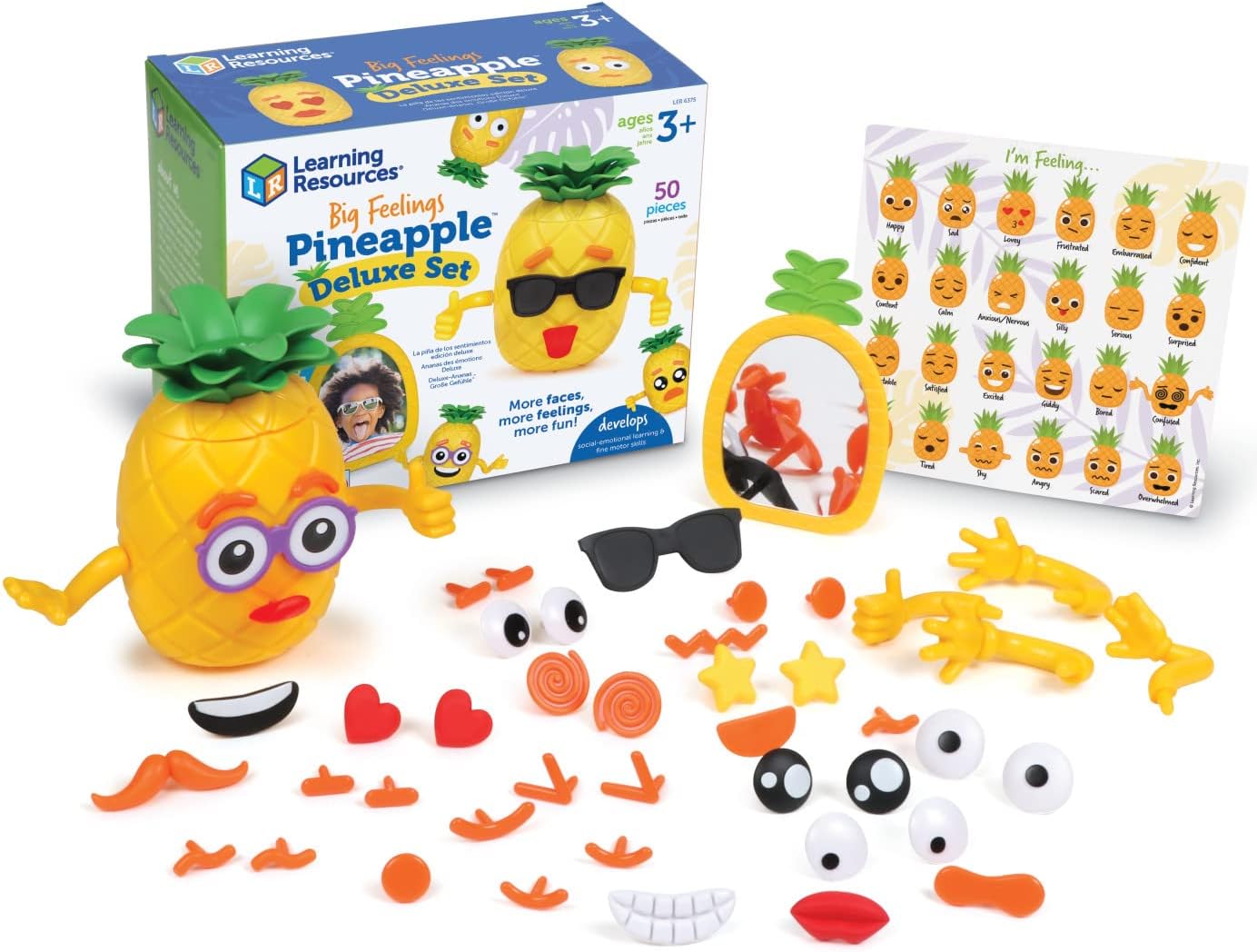
Storybook 6 of 34 · Woodland Friends · in production
Early and Late
Target words: early · late
Understanding · receptive
Run the bus timetable: “the bus is EARLY today! Oh no, the pig is LATE — everyone's waiting!”
Using words · expressive
Stage arrivals and ask for the verdict: “early or late?” — then the consequence: “late, so he MISSED it!”
Finding it tricky? Tie to first/last: “he came last — he was LATE” — the new words stand on old ones.
Too easy? Plan with it: “if we leave early, we won't be late!” — time management via toy bus.
Practise it through play · 3 toy picks

Storybook 7 of 34 · Woodland Friends · in production
How Are They Different?
Target words: explaining differences
Understanding · receptive
Compare unlike animals aloud: “the lion has a mane, the cow has spots — they're DIFFERENT!”
Using words · expressive
Ask the golden question: “how are they different?” — accept one difference, then hunt a second together.
Finding it tricky? Point at the differing feature silently first, then name it: “look… mane! no mane. Different!”
Too easy? Same and different in one report: “both have four legs, but one roars and one moos!” — the complete comparison.
Practise it through play · 3 toy picks
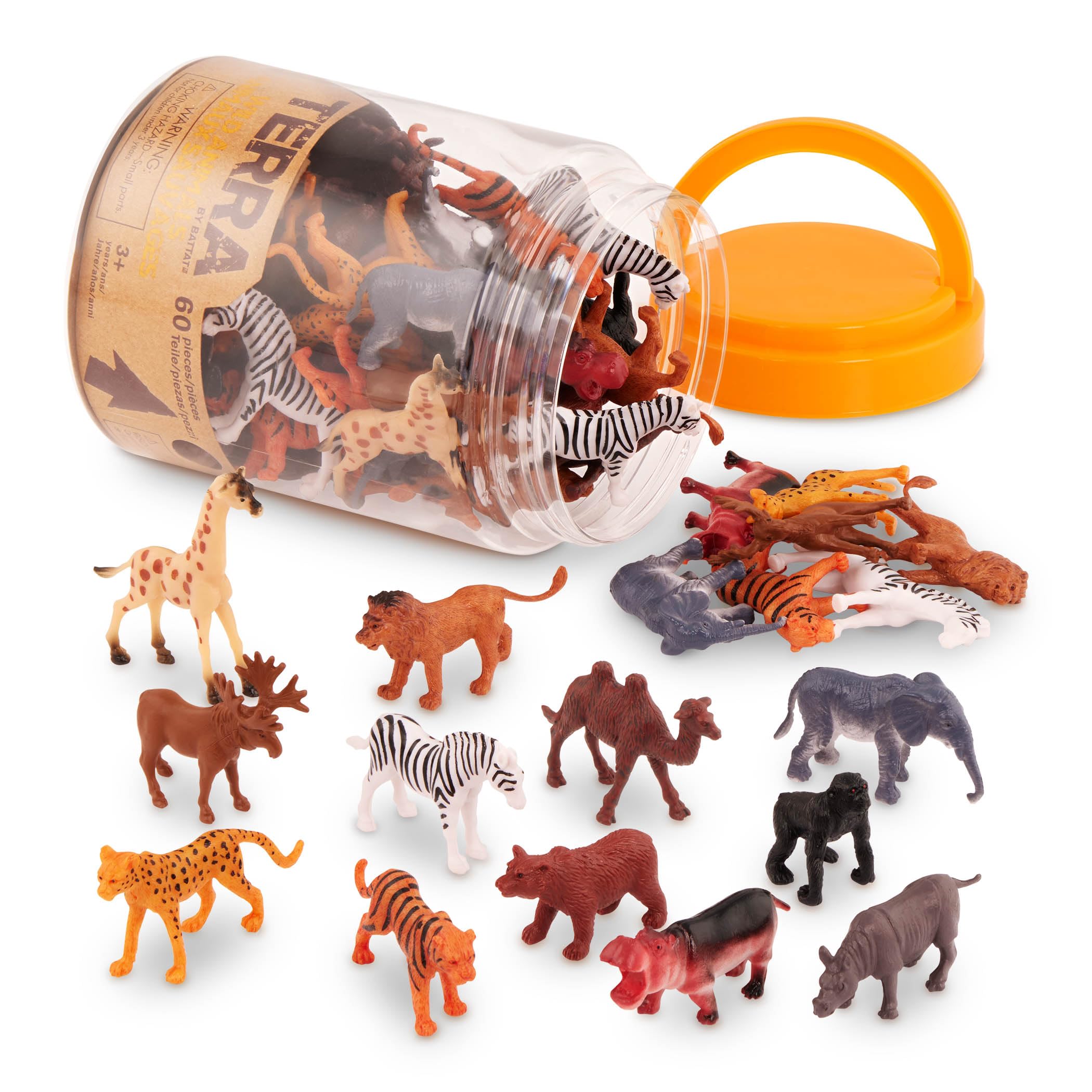
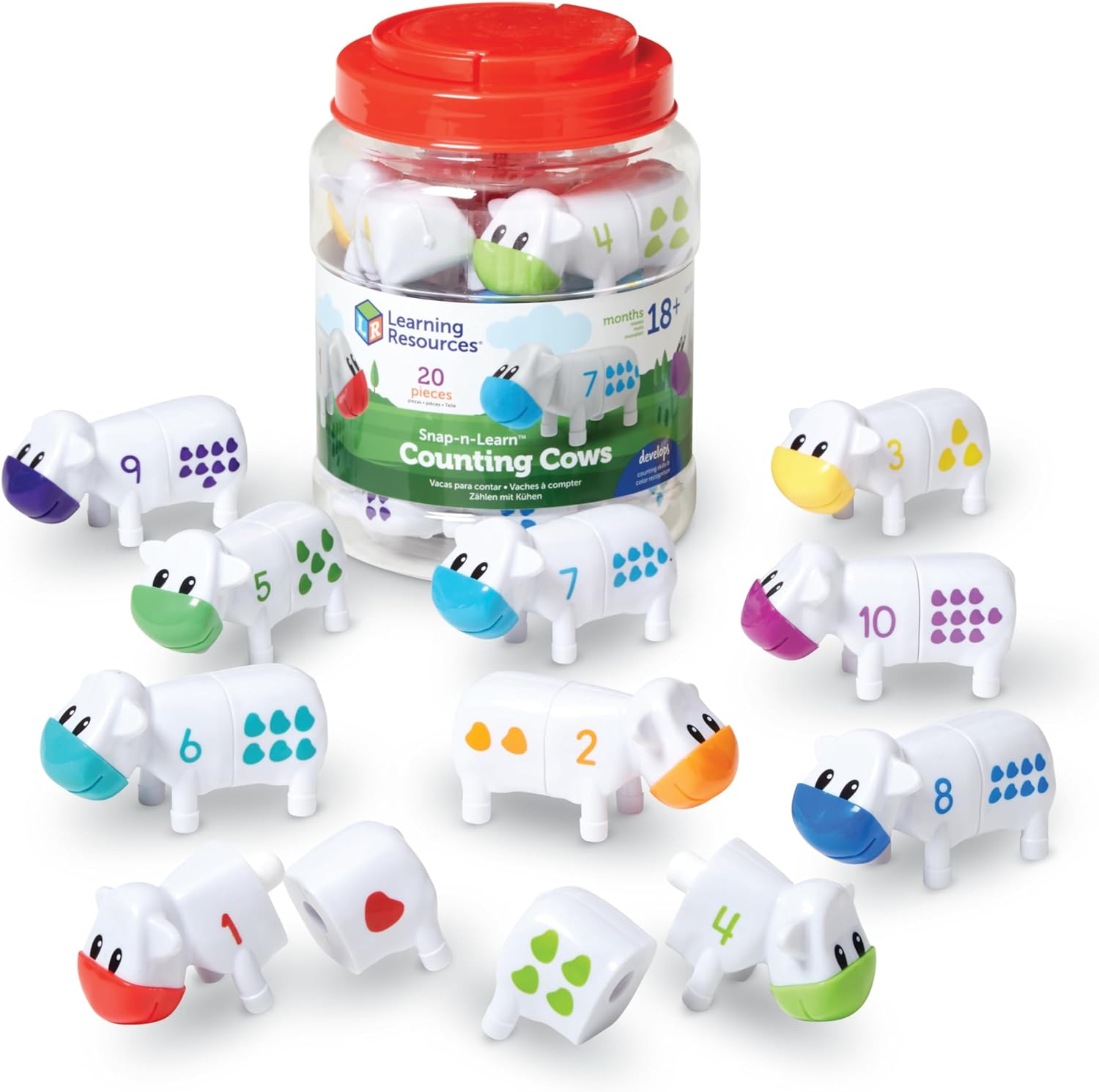
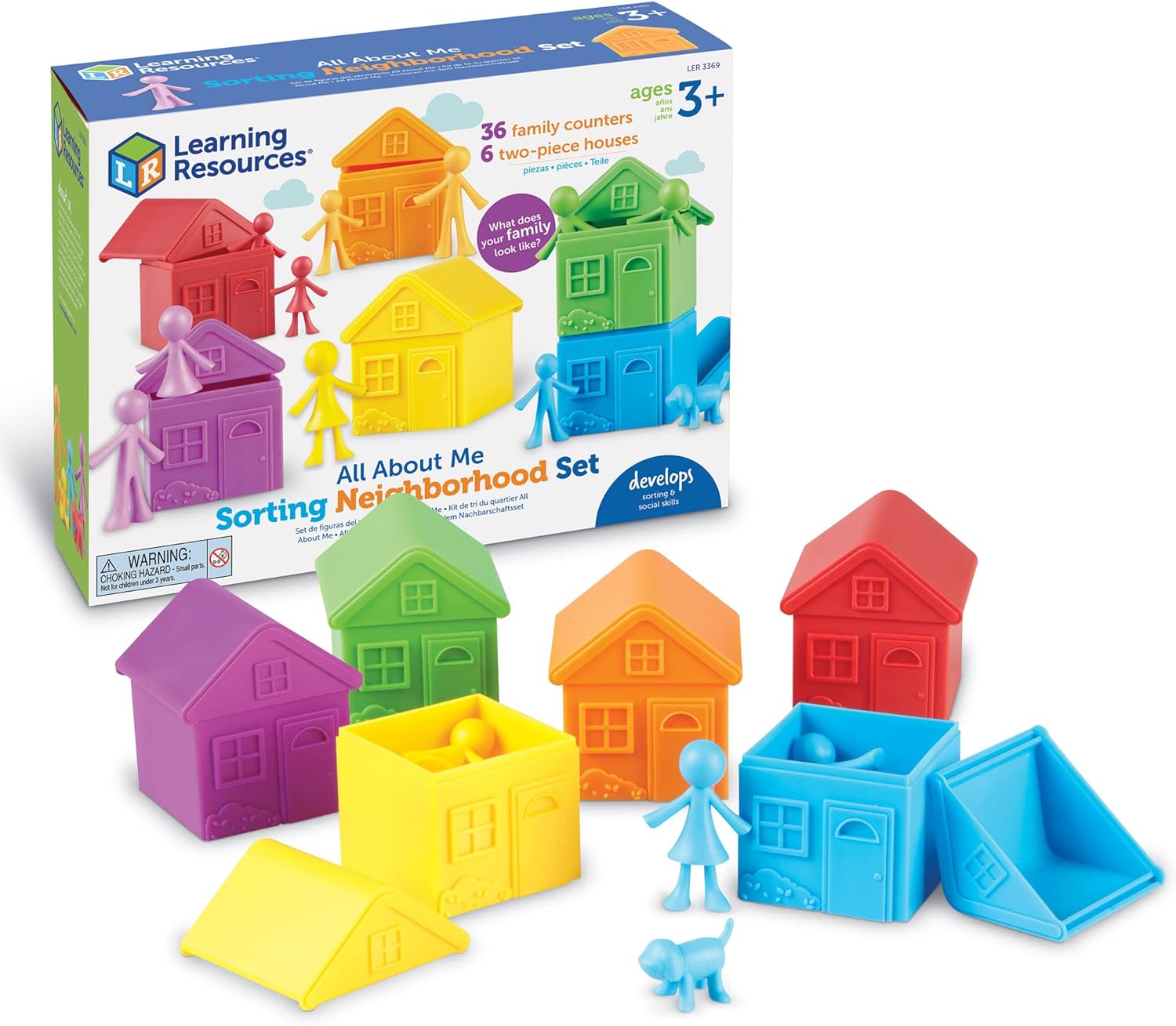
Storybook 8 of 34 · Woodland Friends · in production
Which One Isn't the Same?
Target words: spotting the odd one out
Understanding · receptive
Set up odd-one-out lineups: three cows and a pig — “which one ISN'T the same?” Sweep your finger along the line-up.
Using words · expressive
Wait for the spot and the reason: “the pig! because he's not a cow!” — detection plus explanation.
Finding it tricky? Make the odd one outrageous — three cows and a fire truck — success builds the habit of looking.
Too easy? Subtle differences: same animal, one different colour or size — “it's the same kind but a different colour!”
Practise it through play · 3 toy picks

Storybook 9 of 34 · Woodland Friends · in production
Longest, Tallest, Fastest
Target words: superlatives everywhere
Understanding · receptive
Award superlatives across the toy box: “the LONGEST snake ever! the TALLEST tower! the FASTEST marble in the house!”
Using words · expressive
Hold championship finals: “which is the fastest?” — wait for the -est verdict before the trophy.
Finding it tricky? Three-item lineups where the winner is obvious — the -est should feel like stating the obvious.
Too easy? Superlatives with proof: “the longest — look, it reaches past the table!” — claims need evidence now.
Practise it through play · 3 toy picks
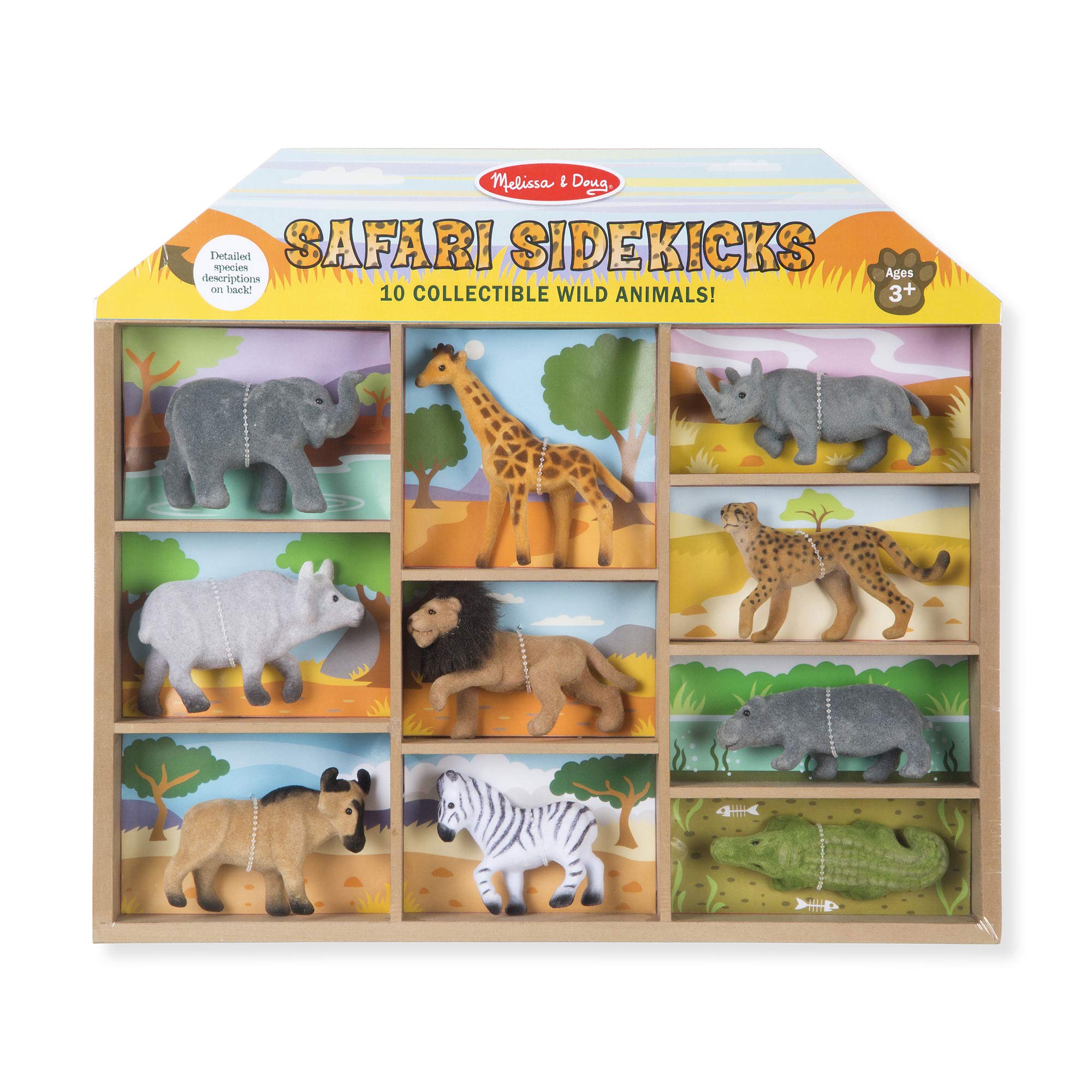

Storybook 10 of 34 · Woodland Friends · in production
More and Most
Target words: more · most · fewer · fewest
Understanding · receptive
Count and compare piles constantly: “you have MORE… now you have the MOST! I have FEWER… he has the FEWEST.”
Using words · expressive
Run pile audits together: “who has the most?” — then redistribute and re-audit: quantities in motion.
Finding it tricky? More/most first — fewer/fewest are rarer words; let the common pair lead.
Too easy? Exact comparisons: “I have two more than you! She has the fewest — only one!” — numbers meet grammar.
Practise it through play · 3 toy picks
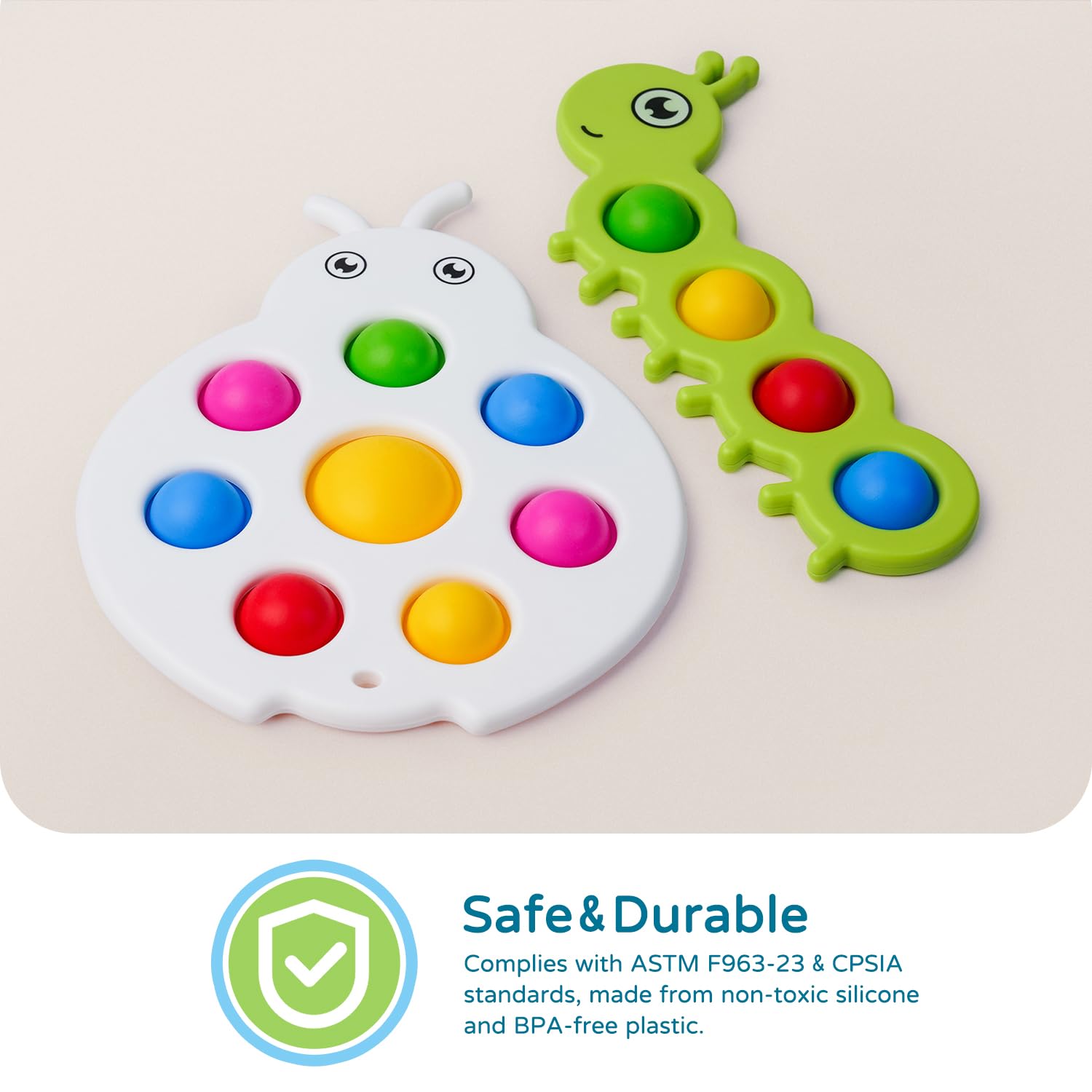

Storybook 11 of 34 · Woodland Friends · in production
Better, Worse, Best
Target words: irregular comparisons
Understanding · receptive
Judge attempts warmly: “that run was good… this one's BETTER… THE BEST ONE YET! That wobbly one was worse.”
Using words · expressive
Ask for rankings: “which try was the best?” — accept the verdict, demand the evidence: “why was it better?”
Finding it tricky? Good and not-good first, then slide in better: “good… but this one's BETTER!”
Too easy? Catch the “gooder” error kindly by recasting: “gooder? It IS better! The best!” — irregular forms via warm echo.
Practise it through play · 3 toy picks
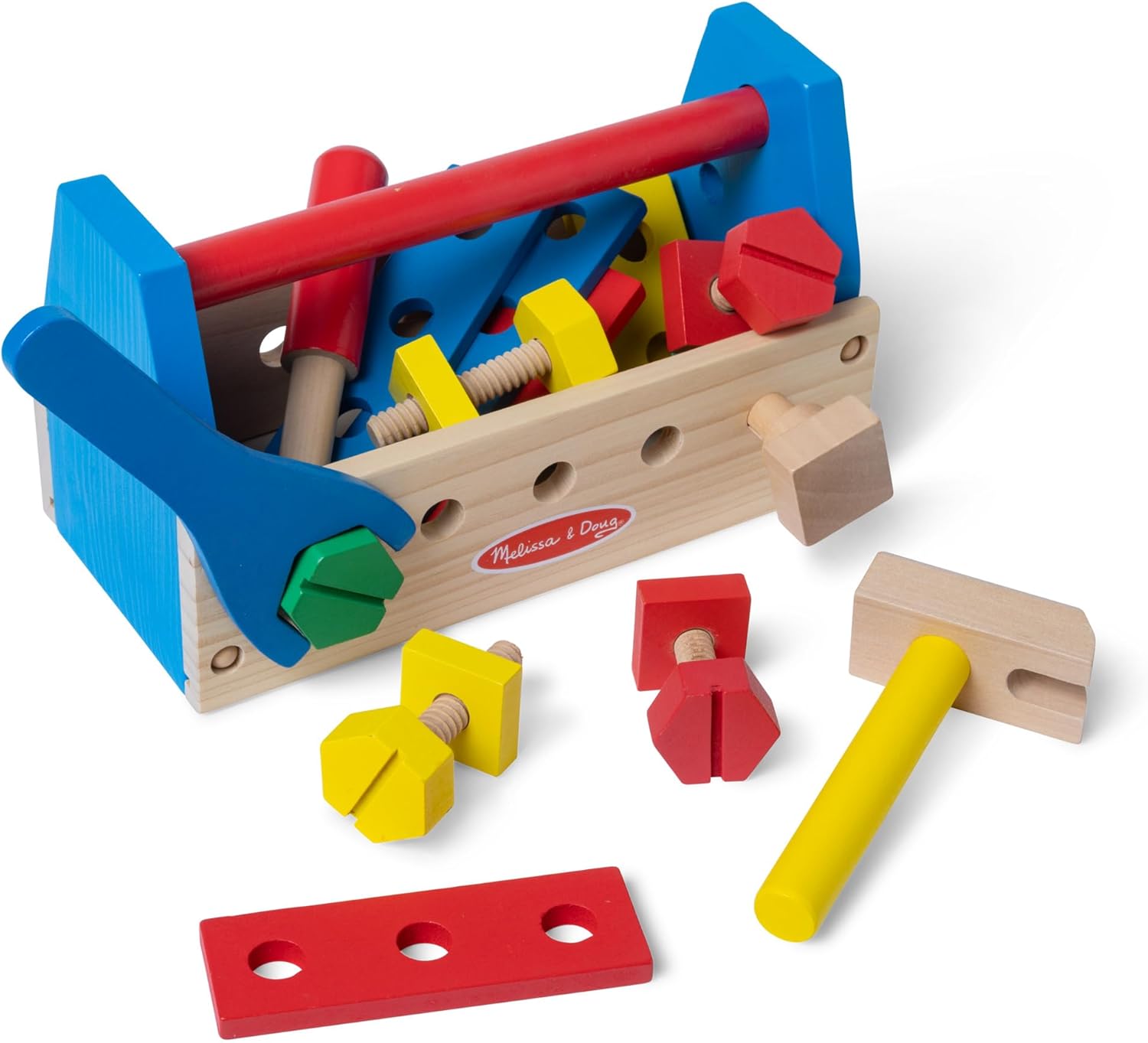

Storybook 12 of 34 · Woodland Friends · in production
As Big as You
Target words: as … as (equal comparisons)
Understanding · receptive
Find perfect ties: “your tower is AS BIG AS mine! The snake is as long as the table!”
Using words · expressive
Set matching challenges: “make yours as long as mine!” — measuring and matching until “the same — as big as yours!”
Finding it tricky? Use “the same” as the bridge: “same size! … as big as each other!” — new frame, familiar idea.
Too easy? Similes, the fun kind: “as fast as a rocket! as quiet as a mouse!” — comparison becomes poetry.
Practise it through play · 3 toy picks
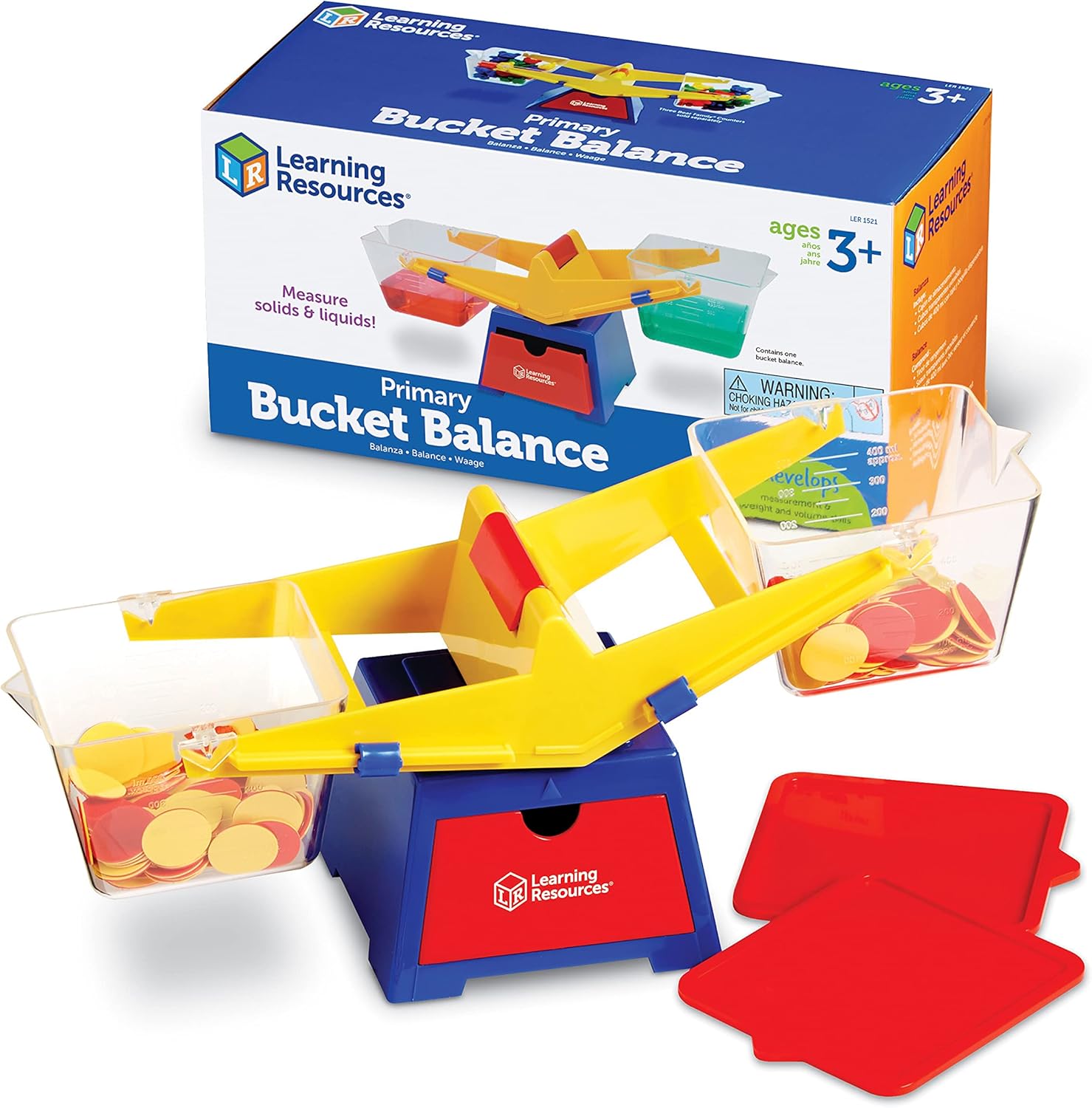
Storybook 13 of 34 · Woodland Friends · in production
Bigger or Smaller, Both Ways
Target words: bigger than X, smaller than Y
Understanding · receptive
Place one animal between sizes: “the cow is bigger than the cat BUT smaller than the elephant!”
Using words · expressive
Play the middle game: “find one bigger than the duck but smaller than the horse!” — both directions in one hunt.
Finding it tricky? One direction at a time — “bigger than the duck… good! now, smaller than the horse?” — split the load.
Too easy? Order whole sets by the rule: five animals, smallest to biggest, narrating each placement's both-ways logic.
Practise it through play · 3 toy picks

Storybook 14 of 34 · Woodland Friends · in production
We Will Go
Target words: future (will · going to)
Understanding · receptive
Announce the future all day: “we WILL build a big one! we're GOING TO crash it after lunch!”
Using words · expressive
Plan before playing: “what will we build?” — wait for will/gonna plans, then honour them exactly.
Finding it tricky? Immediate futures only: “we will pop it… NOW!” — a two-second future is still the future.
Too easy? Predictions with stakes: “what will happen if we add one more?” — “it WILL fall!” — then test the prophecy.
Practise it through play · 3 toy picks

Storybook 15 of 34 · Woodland Friends · in production
Is He Running?
Target words: flipping questions (is he…?)
Understanding · receptive
Ask flipped questions constantly: “IS he running? ARE they hiding? IS it stuck?” — the melody teaches the flip.
Using words · expressive
Play yes/no guessing: they must ask flipped questions — “is it big? is it an animal?” — to crack your secret.
Finding it tricky? Offer the frame and let them finish: “is he…?” — “running!” — half a flip is a whole start.
Too easy? Twenty questions, properly: every guess a grammatical question, every answer just yes or no. Champion level.
Practise it through play · 3 toy picks
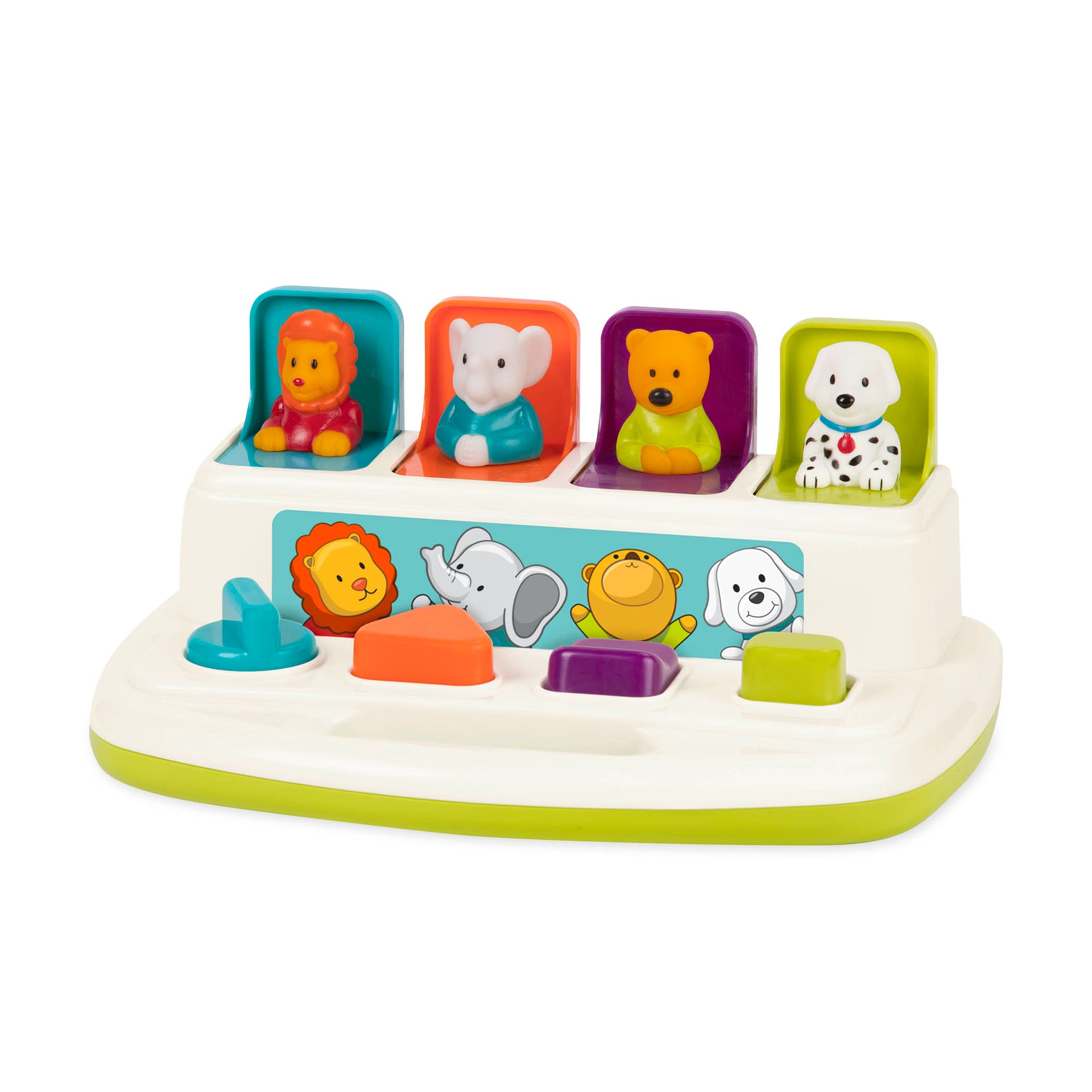

Storybook 16 of 34 · Woodland Friends · in production
They and Them
Target words: they · them
Understanding · receptive
Talk about groups with they/them: “the children are hungry — THEY want lunch. Give THEM the sandwiches!”
Using words · expressive
Stage group scenes and ask: “what are they doing?” — “THEY'RE playing!” — plural people, plural pronoun.
Finding it tricky? Contrast one and many with the animals: “HE eats… THEY eat!” — one cow versus the herd.
Too easy? Track two groups at once: “the cows are eating but the pigs — THEY'RE sleeping!” — pronouns with a plot.
Practise it through play · 3 toy picks

Storybook 17 of 34 · Woodland Friends · in production
All by Myself
Target words: myself · reflexives
Understanding · receptive
Celebrate independence in reflexives: “you swept it ALL BY YOURSELF! I'll fix mine MYSELF.”
Using words · expressive
Offer help theatrically and let them refuse: “shall I do it?” — “NO! By MYSELF!” — pride is the engine.
Finding it tricky? Model it about yourself first: “Mummy did it all by HERSELF!” — with a proud little bow.
Too easy? The whole family: myself, yourself, himself, herself — “he built it himself, she painted it herself!”
Practise it through play · 3 toy picks


Storybook 18 of 34 · Woodland Friends · in production
Why and When?
Target words: why · when questions
Understanding · receptive
Ask and answer why/when about everything: “WHY is it raining on the chart? WHEN do we go swimming?”
Using words · expressive
Honour every single why with a real answer, then flip it: “now YOU ask me a why!” — question ping-pong.
Finding it tricky? Offer why questions with visible answers: “why is the towel wet?” — the evidence is right there to say.
Too easy? Whys about invisible things: “why do we sleep? when does the moon come?” — reasoning beyond the room.
Practise it through play · 3 toy picks
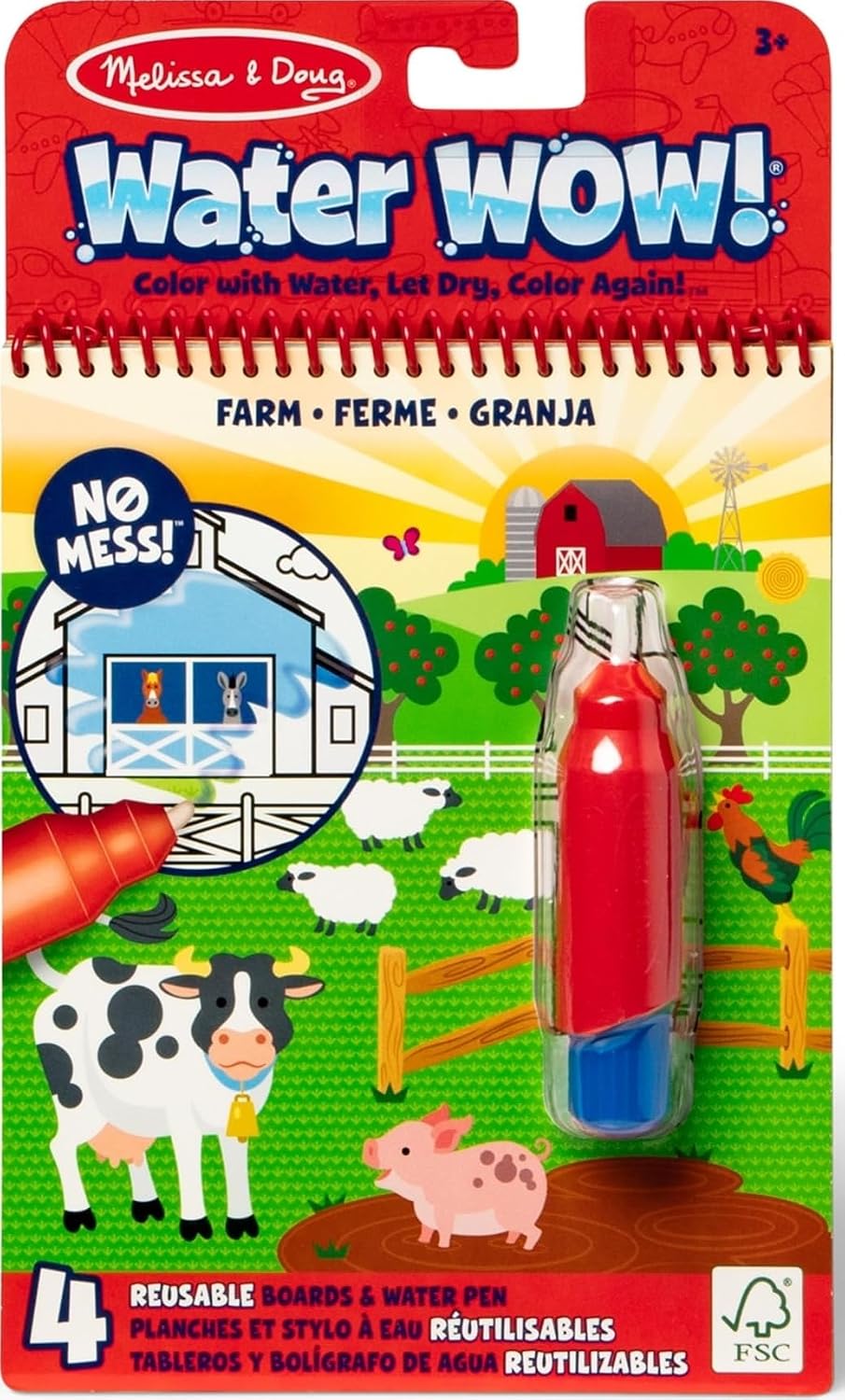
Storybook 19 of 34 · Woodland Friends · in production
How and How Many?
Target words: how · how many questions
Understanding · receptive
Wonder how and how many out loud: “HOW did that balance?! HOW MANY cubes till it tips? Let's count!”
Using words · expressive
Set investigations: “how many will fit?” — guess, test, report: “we said five, it was SEVEN!”
Finding it tricky? How many with small certain numbers — count together, answer together, then hand over the answering.
Too easy? How as explanation: “how did you build it?” — “first I…, then I…” — process description, the interview answer.
Practise it through play · 3 toy picks
Storybook 20 of 34 · Woodland Friends · in production
So
Target words: so (consequence)
Understanding · receptive
Model consequence chains: “the truck was dirty, SO we washed it. It rained, SO the party moved inside.”
Using words · expressive
Start the chain and hand it over: “the floor was messy, so…?” — “so we SWEPT it!” — they finish the logic.
Finding it tricky? Keep because as the anchor: “we washed it BECAUSE it was dirty” — then flip to so when steady.
Too easy? Multi-link chains: “it rained, so there's mud, so boots, SO we can jump in puddles!” — logic as adventure.
Practise it through play · 3 toy picks
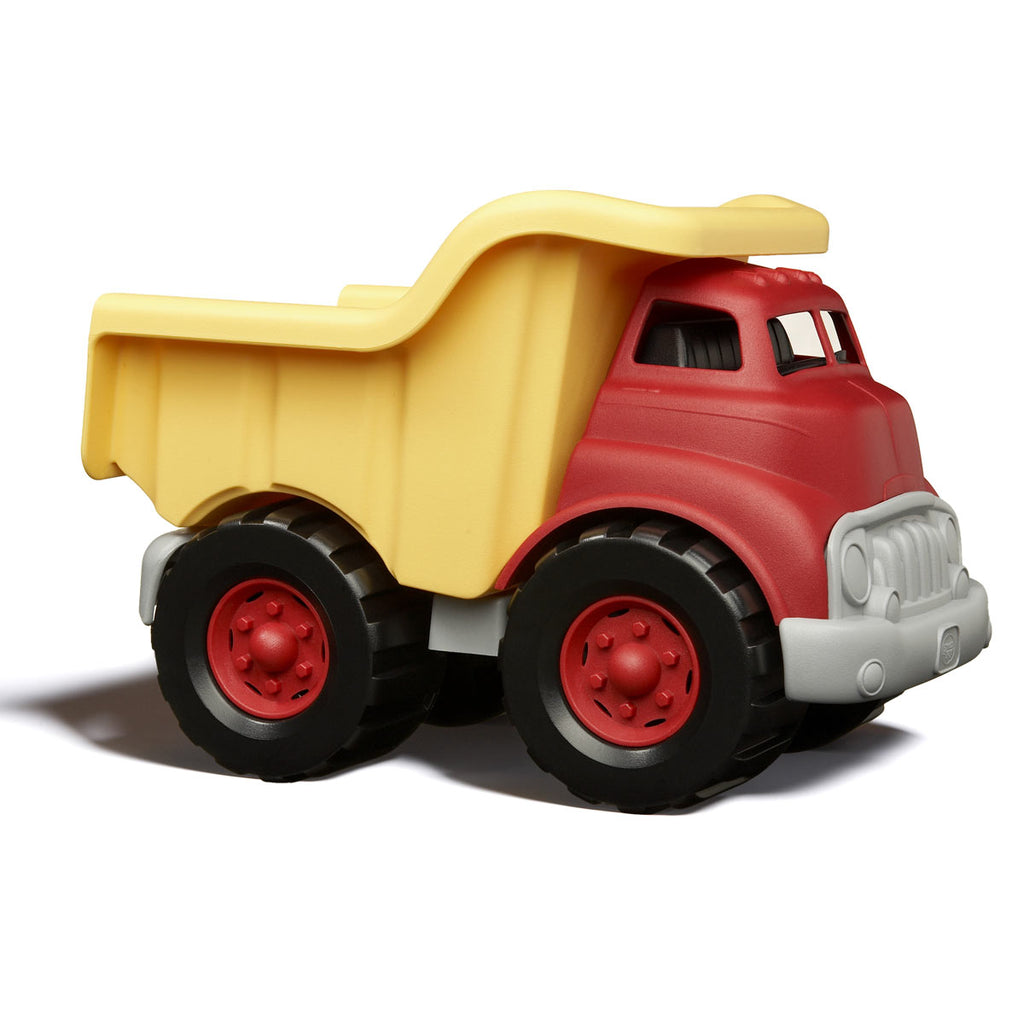
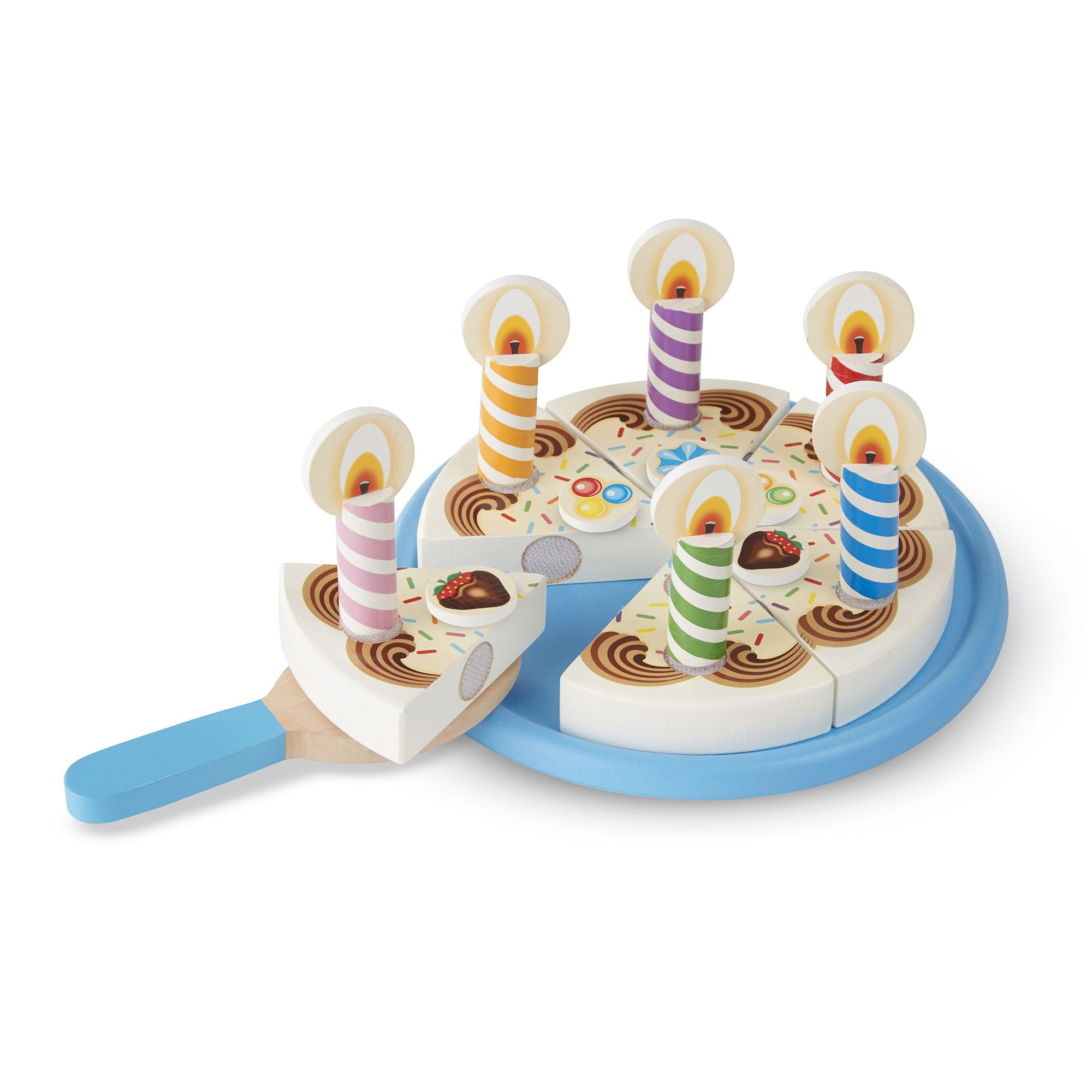
Storybook 21 of 34 · Woodland Friends · in production
Why? Because!
Target words: answering why
Understanding · receptive
Answer their whys richly and ask your own: “why did it pop up? BECAUSE we pushed the button!”
Using words · expressive
Play the why game on every pop: “why did the corn popper crackle?” — a full because answer earns the next turn.
Finding it tricky? Model both halves as one chant: “why? BECAUSE we pushed it!” — question and answer as a joyful unit.
Too easy? Chains of whys, three deep: “why? because it fell. why did it fall? because…” — follow the reasoning down.
Practise it through play · 3 toy picks
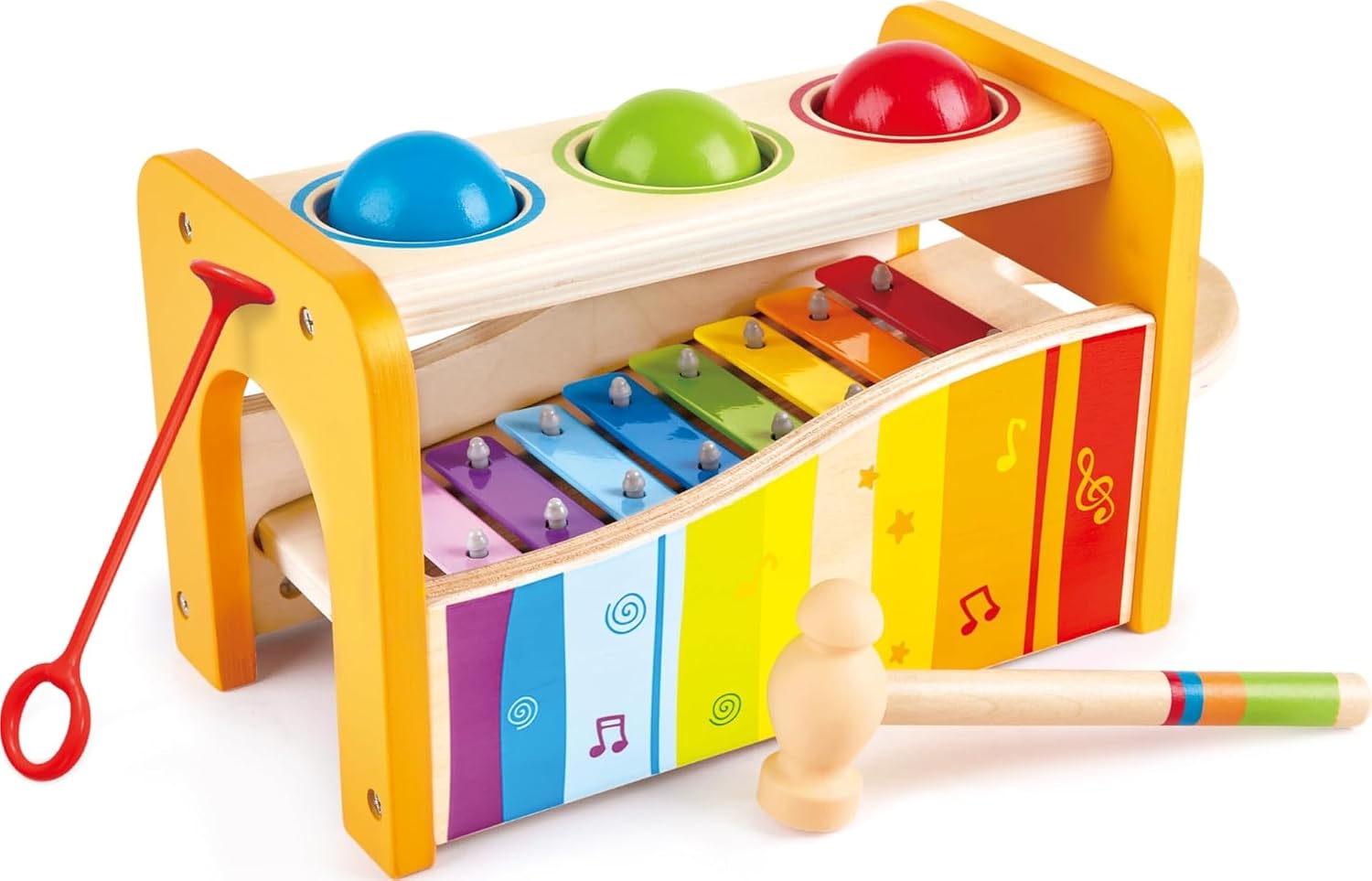
Storybook 22 of 34 · Woodland Friends · in production
Because and So
Target words: cause both ways
Understanding · receptive
Say the same fact both ways: “the bubbles popped BECAUSE you touched them. You touched them, SO they popped!”
Using words · expressive
Flip their sentences as a game: they say a because, you bounce back the so — then trade directions.
Finding it tricky? Master because alone first; so is the same arrow drawn from the other end.
Too easy? Spot the direction in stories: “did the rain come first, or the puddle? So which needs the because?”
Practise it through play · 3 toy picks
Storybook 23 of 34 · Woodland Friends · in production
If It Rains
Target words: if (real-world)
Understanding · receptive
Make weather plans on the chart: “IF it rains tomorrow, we'll need the umbrella. If it's sunny — the paddling pool!”
Using words · expressive
Ask the planning questions: “what will we do if it rains?” — wait for a full if-plan, then pin it to the chart.
Finding it tricky? Ifs with instant results: “if we paint it, it goes wet!” — test immediately so if never feels abstract.
Too easy? Backup plans: “if it rains AND the umbrella's lost — THEN what?” — contingencies on contingencies.
Practise it through play · 3 toy picks
Storybook 24 of 34 · Woodland Friends · in production
If You're Kind
Target words: if (social)
Understanding · receptive
Voice social rules gently in pretend play: “IF you're kind to the customers, they'll come back! If we share, everyone's happy.”
Using words · expressive
Pose little dilemmas at the tea party: “what happens if we snatch?” — let them predict feelings, not just events.
Finding it tricky? Concrete and visible first: “if you give teddy some cake, look — he's HAPPY!” — the pineapple face confirms it.
Too easy? Their own codes of conduct: “what's OUR rule for the shop?” — “if you're kind, you get a sticker!” — ethics, self-issued.
Practise it through play · 3 toy picks
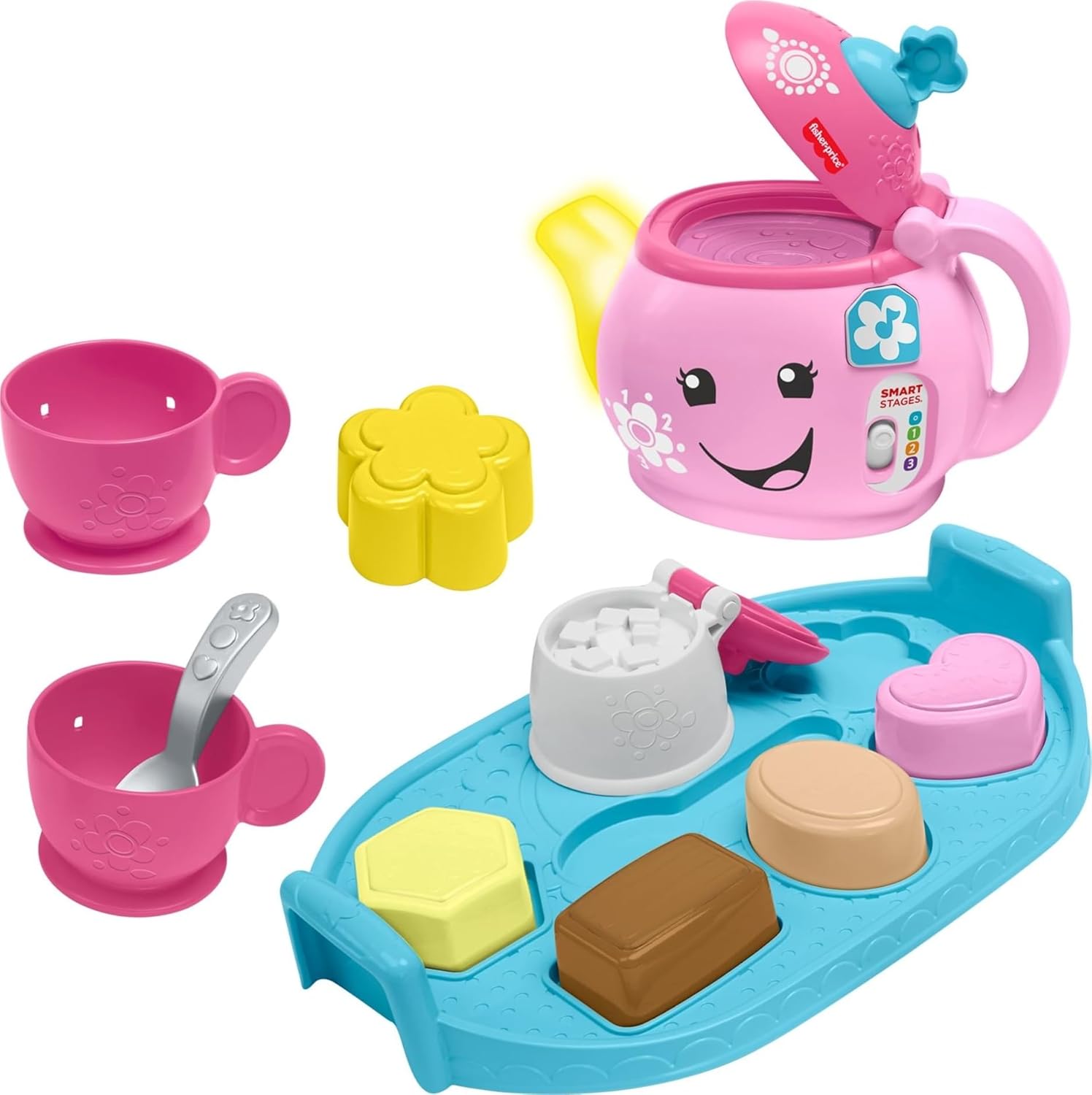
Storybook 25 of 34 · Woodland Friends · in production
What If?
Target words: imagining possibilities
Understanding · receptive
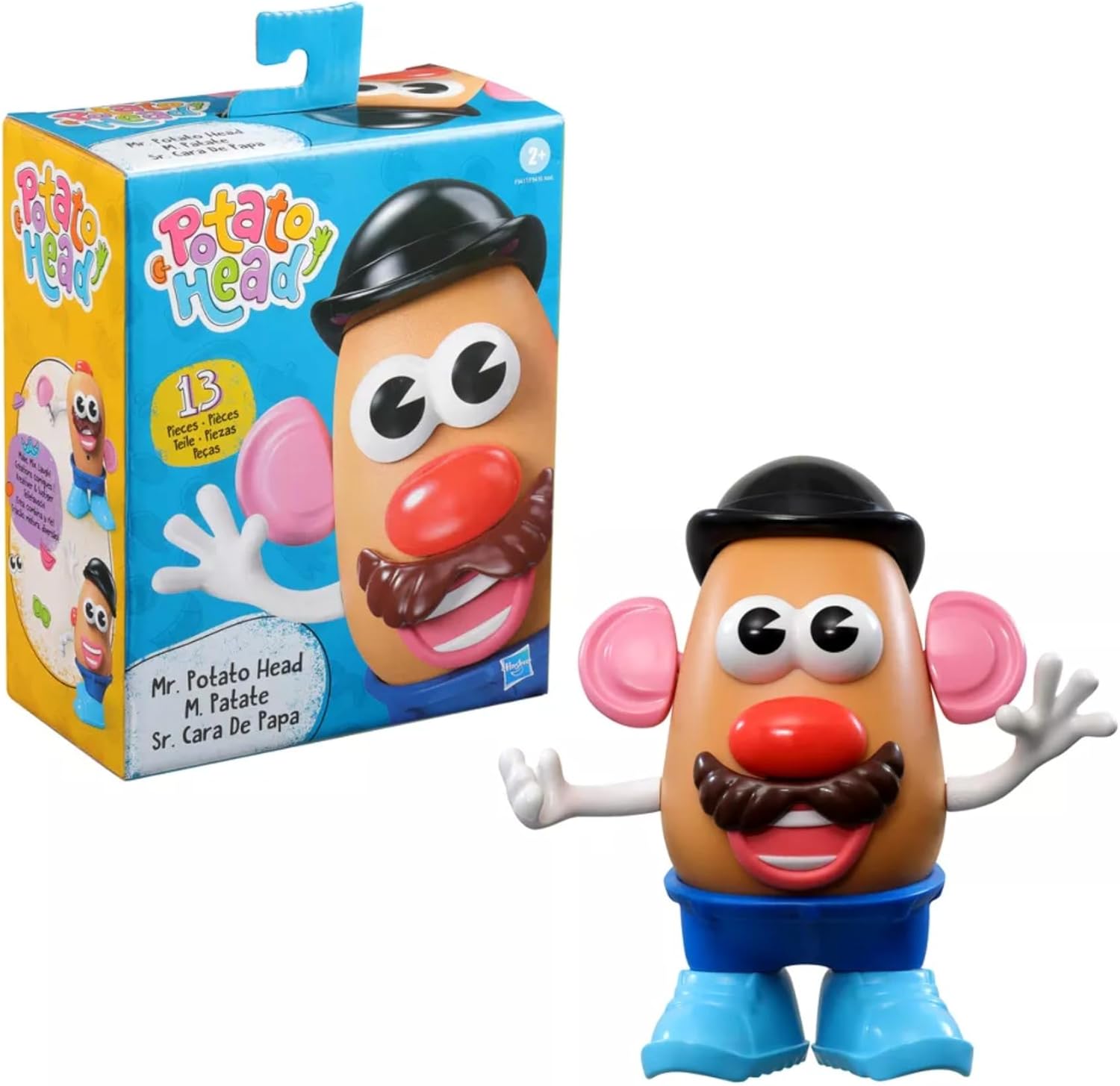
Wonder wildly together: “WHAT IF the zoo sent us an elephant? What if Mr Potato Head had FIVE ears?!”
Using words · expressive
Trade what-ifs at bedtime and in the car: silly ones count double — the target is launching the question themselves.
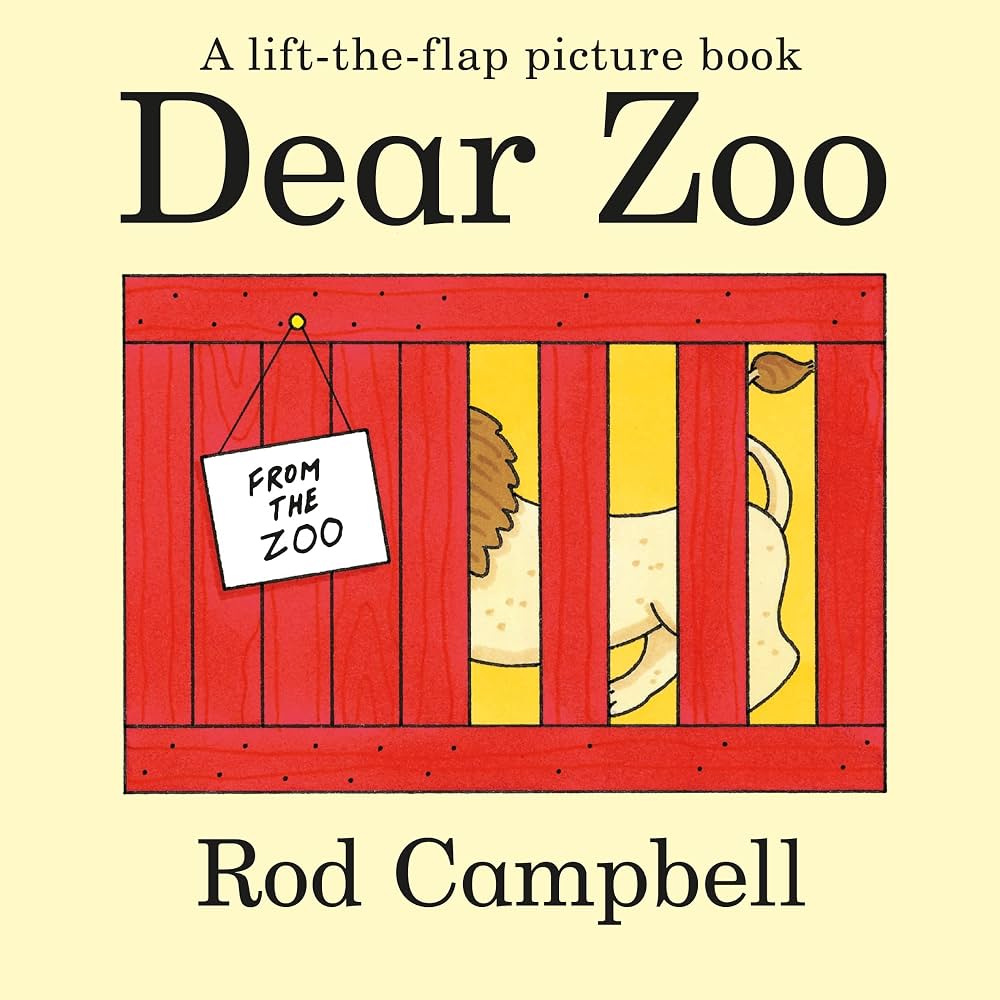
Finding it tricky? Anchor to a book they know: “what if Dear Zoo sent a … dinosaur?!” — familiar frame, one wild change.
Too easy? Follow the what-if three steps: “what if it snowed inside? what would we wear? what would melt?!” — sustained imagination.
Practise it through play · 3 toy picks
Storybook 26 of 34 · Woodland Friends · in production
If… Then…
Target words: if · then (predictions)
Understanding · receptive
Predict with full if-thens: “IF we add one more cube, THEN that side will go down. Let's see!”
Using words · expressive
Run prediction experiments: they must state the if-then BEFORE testing — science method, preschool edition.
Finding it tricky? You state the if, they supply the then: “if we stack one more…?” — “it FALLS!”
Too easy? Rules of their own invention: “IF the marble goes left, THEN I win!” — they legislate, the game obeys.
Practise it through play · 3 toy picks
Storybook 27 of 34 · Woodland Friends · in production
Which One Belongs?
Target words: sorting into the right group
Understanding · receptive
Sort with reasons running: “the banana BELONGS with the fruit! Where does the lion belong? — with the ANIMALS!”
Using words · expressive
Hold up tricky items: “which group does it belong in?” — wait for the placement AND the because.
Finding it tricky? Two clear groups, big differences — belonging should feel obvious before it gets philosophical.
Too easy? Items that fit two groups: “the toy cow — animals or toys?!” — defending a choice matters more than the choice.
Practise it through play · 3 toy picks

Storybook 28 of 34 · Woodland Friends · in production
Not That One
Target words: ruling things out
Understanding · receptive
Rule things out during searches: “is it this one? NOT that one! Not the red, not the blue… it MUST be the green!”
Using words · expressive
Play elimination games: they knock out options aloud — “not the cow, not the pig…” — until one remains.
Finding it tricky? Two options, one elimination: “not THAT one… so it's THIS one!” — deduction in miniature.
Too easy? Guess Who-style reasoning: “it has no spots, so it's NOT the cow OR the dog…” — chained elimination.
Practise it through play · 3 toy picks
Storybook 29 of 34 · Woodland Friends · in production
Same Kind, Different Kind
Target words: kinds and categories
Understanding · receptive
Compare kinds, not things: “apples and bananas — SAME KIND, both fruit! A banana and a truck? DIFFERENT KIND!”
Using words · expressive
Quiz the sort: “same kind or different kind?” — and always chase the why: “both food!” or “one's not an animal!”
Finding it tricky? Back to simple matching first: same/not same on single things, then lift to groups.
Too easy? Kinds within kinds: “both animals — but one's a FARM animal and one's a WILD animal!” — categories get layers.
Practise it through play · 3 toy picks
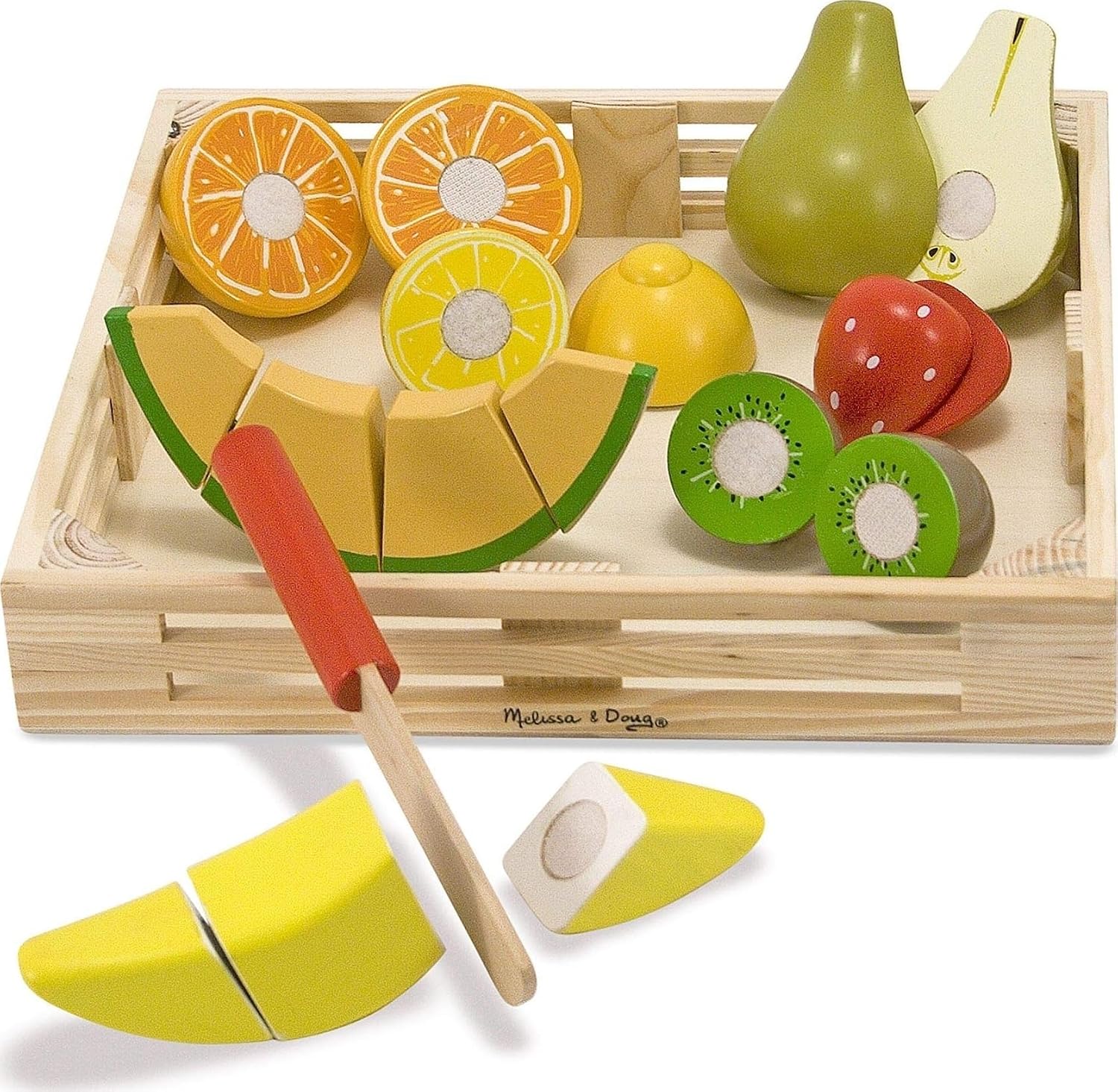
Storybook 30 of 34 · Woodland Friends · in production
Part and Whole
Target words: parts · wholes
Understanding · receptive
Take things apart naming both levels: “the wheel is PART of the truck. All the slices together make the WHOLE pizza!”
Using words · expressive
Play the parts inventory: “what are the parts of Mr Potato Head?” — then rebuild: “now he's WHOLE again!”
Finding it tricky? One object, its pieces, and the two words at assembly time: “part… part… WHOLE!”
Too easy? Parts of invisible wholes: “what are the parts of our morning? waking, breakfast, teeth!” — the analysis goes abstract.
Practise it through play · 3 toy picks
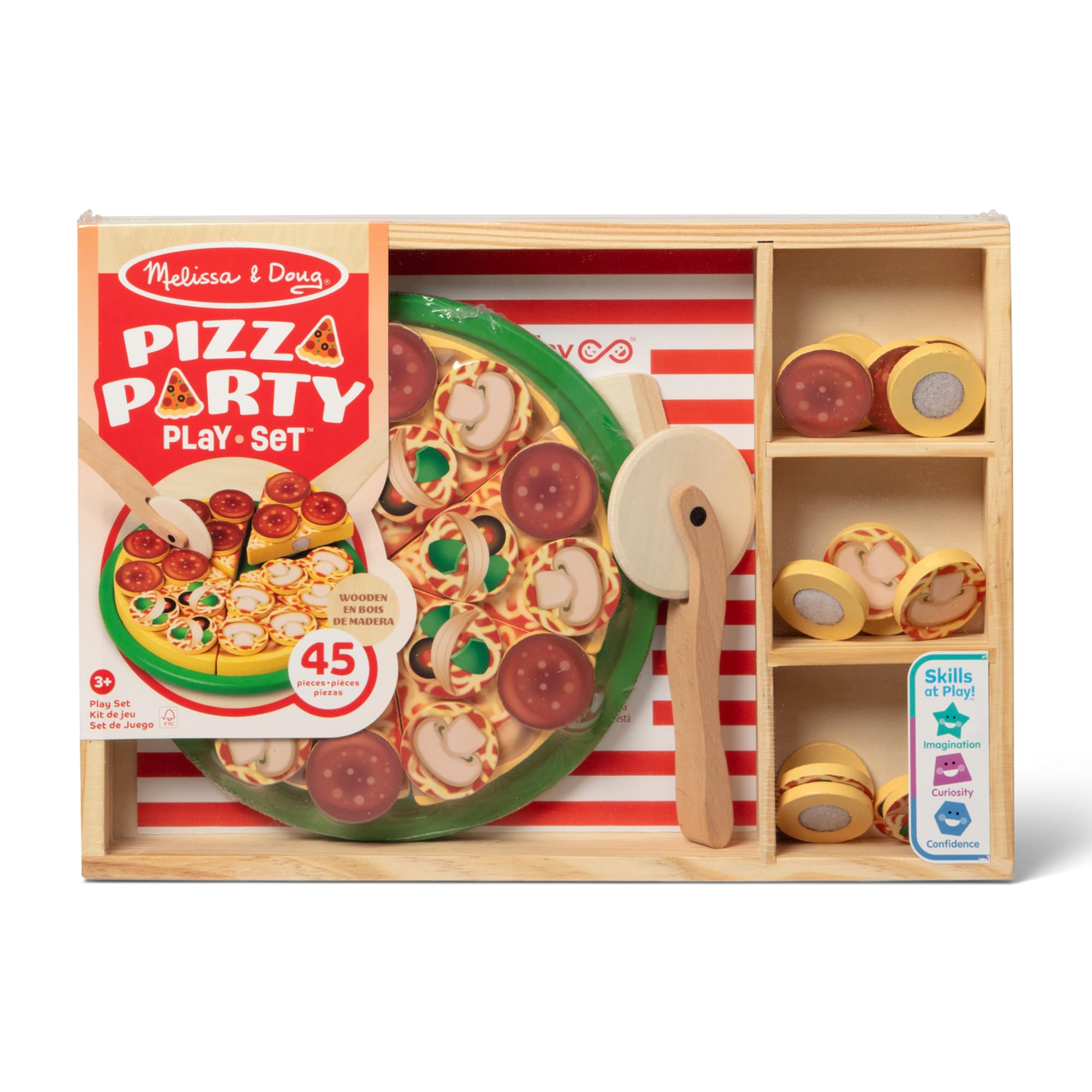
Storybook 31 of 34 · Woodland Friends · in production
Groups and Sorts
Target words: sorting by rules
Understanding · receptive
Sort the same toys different ways: “this time by COLOUR! now by SIZE! same cubes — different sorts!”
Using words · expressive
Let them set the rule: “how shall we sort them?” — then audit together: “does the red cow follow YOUR rule?”
Finding it tricky? One sorting rule, stated up front, applied together — “colour day! all the reds here.”
Too easy? Guess my rule: you sort silently, they deduce the rule — “they're all… ANIMALS with spots!”
Practise it through play · 3 toy picks
Storybook 32 of 34 · Woodland Friends · in production
Either, Neither, Both
Target words: either · neither · both
Understanding · receptive
Offer choices with all three: “you can have EITHER this or that… NEITHER? okay! Or BOTH?!”
Using words · expressive
Run choice negotiations: “either the pizza or the ice-cream!” — “BOTH!” — the eternal answer, grammatically perfect.
Finding it tricky? Or comes first: “this or that?” — either/neither/both are or with upgrades.
Too easy? Logic puzzles: “if you can't have both, and you don't want neither — which ONE?” — decision-making under constraints.
Practise it through play · 3 toy picks
Storybook 33 of 34 · Woodland Friends · in production
All, Some, None
Target words: all · some · none
Understanding · receptive
Narrate quantities to the edges: “ALL the bubbles popped! SOME cubes are red. NONE of the marbles are square!”
Using words · expressive
Audit claims together: “are ALL the cows brown?” — check every single one — “no! SOME are brown, one is pink!”
Finding it tricky? All and none first — the absolute edges — with some joining once the extremes are solid.
Too easy? Spot false claims: “I say ALL animals have four legs — true?” — “NO! the duck has TWO!” — counterexamples, the crown jewel.
Practise it through play · 3 toy picks
Storybook 34 of 34 · Woodland Friends · in production
Every and Each
Target words: every · each
Understanding · receptive
Distribute with precision: “EVERY cup gets a saucer! EACH animal gets one bed. Every single one!”
Using words · expressive
Set completeness checks: “does every teddy have tea?” — the audit walk: “this one yes, this one yes… EVERY one!”
Finding it tricky? Anchor to the one-each dealing game from Band 4 — every and each are its grown-up words.
Too easy? Every versus some versus all in one game: “EACH child gets a turn, EVERY turn is timed, SOME turns are longer!”
Practise it through play · 3 toy picks
Two ways to travel
Two ways to grow your child's talking
Same milestones, same speech-pathologist goals — you simply choose how you get there. Follow the toys, follow Julia's books, or blend both. There's no wrong turn.
The Toy Way
Play the goals with toys
Pick a toy your child already loves. Each one comes with exactly what to say and do — Bronze, Silver and Gold goals from a speech pathologist. Buy the toy, and the play does the teaching.
Julia's Way
Weave the goals into everyday life
Prefer no new toys? Julia's Woodland Friends storybooks and parent handouts show you how to build the same goals into the routines you already have — mealtimes, bath time, the walk to the park.