Expanding Language
🗣️ Band 5: Expanding Communicators
Language stretches in every direction: questions flow both ways, time words like before and after appear, and your child starts telling you what happened — the beginnings of real storytelling.
Below are all 26 concepts in this band, in series order — and each one is its own Woodland Friends storybook by Julia. Work through them top to bottom at your child's own pace. Each one shows the target words, a quick guide to what to do (understanding is what your child takes in — receptive language; using words is what they say — expressive language), and 3 toys from the library that practise it beautifully. It's completely normal for a child to be stronger at one than the other. You can add any toy to your Amazon cart individually, or grab all three at once — prices and availability vary by country, and the buttons always open your local Amazon.
Woodland Friends · the storybooks for this band
Every concept below will be its own cosy Woodland Friends storybook — all 26 for this band are in production now and arriving January 2027. Pop your name on the waitlist and you'll hear the moment they land.
See the Band 1 books in the shopWord kits in this band
Storybook 1 of 26 · Woodland Friends · in production
Above and Below
Target words: above · below
Understanding · receptive
Build the marble run tall and narrate the levels: “the funnel is ABOVE the wheel… the cup waits BELOW.”
Using words · expressive
Quiz the tower: “is the red bit above or below the blue?” — then build to their spec: “put it ABOVE!”
Finding it tricky? Warm up with up/down and on-top, then upgrade: “on top of everything = ABOVE it all.”
Too easy? Describe invisible things: “the marble is below the funnel now — I can't see it, but I know!” — position beyond sight.
Practise it through play · 3 toy picks


Storybook 2 of 26 · Woodland Friends · in production
Near and Far
Target words: near · far
Understanding · receptive
Send cars NEAR and FAR: “that one went FAR! this one stayed NEAR.” Measure with feet-steps for drama.
Using words · expressive
Run distance contests: “near or far?” — then the comparative: “whose went further?” Let them referee.
Finding it tricky? Anchor to here/there first, with big points: “it's over THERE — far away!”
Too easy? Estimate before testing: “will it go far?” — launch, then verdict: “SO far! Further than the chair!”
Practise it through play · 3 toy picks


Storybook 3 of 26 · Woodland Friends · in production
Inside and Outside
Target words: inside · outside
Understanding · receptive
Put people INSIDE the house and OUTSIDE in the garden: “the dog sleeps inside… the tractor stays outside.”
Using words · expressive
Sort belongings by rule: “does it go inside or outside?” — let their answer place the piece.
Finding it tricky? Link to in/out physically: posting games where in becomes “inside the box”, out becomes “outside”.
Too easy? Add reasons to the rule: “the ice-cream goes inside BECAUSE it melts outside!” — categories with logic.
Practise it through play · 3 toy picks


Storybook 4 of 26 · Woodland Friends · in production
Apart and Together
Target words: apart · together
Understanding · receptive
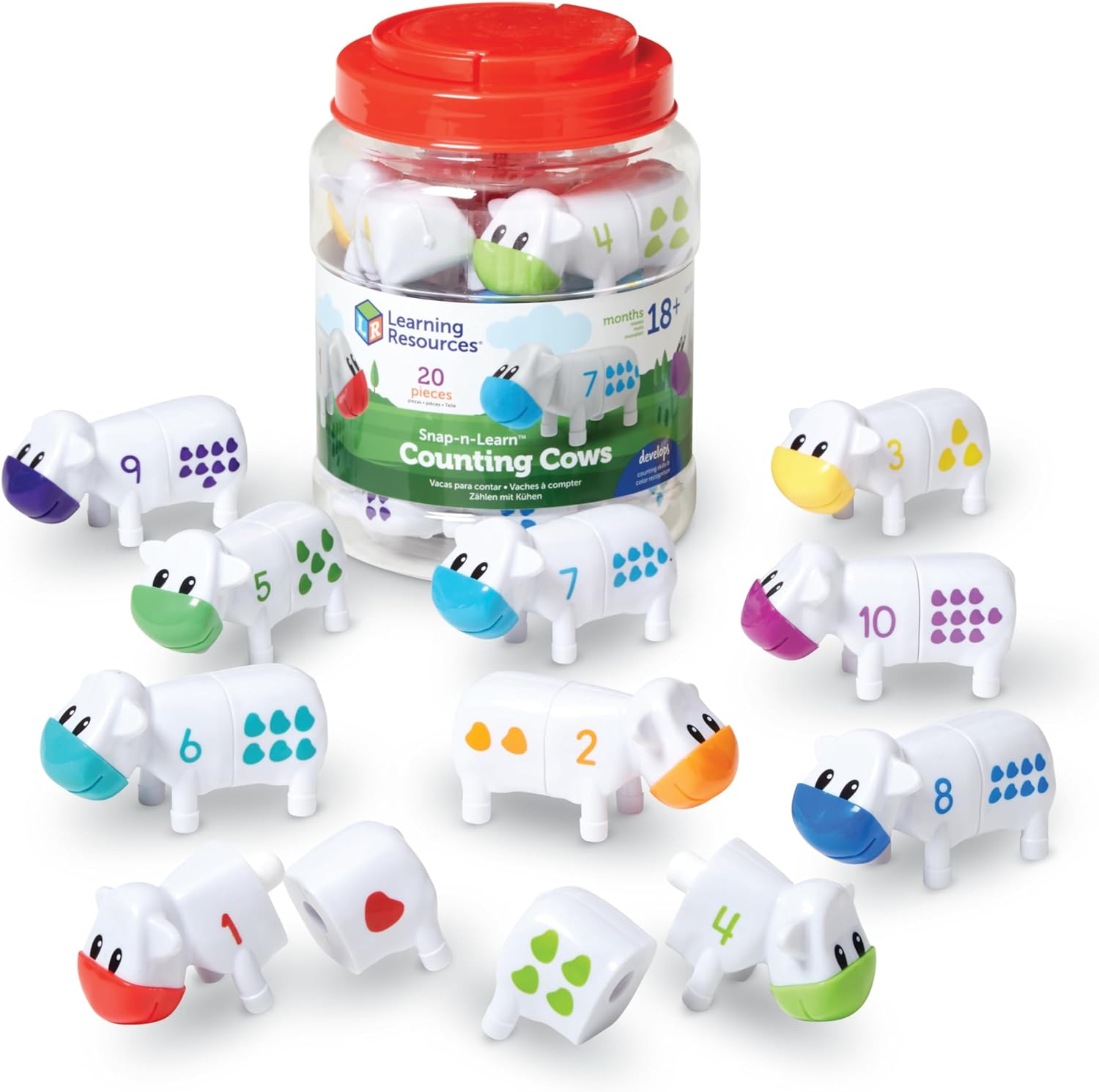
Snap the cows together and apart with commentary: “they're TOGETHER!… pull… APART!”
Using words · expressive
Give assembly orders and take theirs: “put them together!… now take them apart!” — the toy obeys the words.
Finding it tricky? Pair with open/shut and on/off — the same push-pull idea they already own, in new clothes.
Too easy? Team language: “we built it TOGETHER! it fell apart!” — from physical to social meanings.
Practise it through play · 3 toy picks
Storybook 5 of 26 · Woodland Friends · in production
More and Less, Most and Least
Target words: more · less · most · least
Understanding · receptive
Build cube towers of every height and rank aloud: “more… less… this one has the MOST! that one has the LEAST.”
Using words · expressive
Award superlatives: “who has the most?” — wait for “I have the most!” before the celebration.
Finding it tricky? Two towers only, plain more/less, judged on the balance where the answer is visible.
Too easy? Four-way rankings with justification: “this has the most because I count TEN!” — evidence-based bragging.
Practise it through play · 3 toy picks

Storybook 6 of 26 · Woodland Friends · in production
The Same Amount
Target words: equal · the same amount
Understanding · receptive
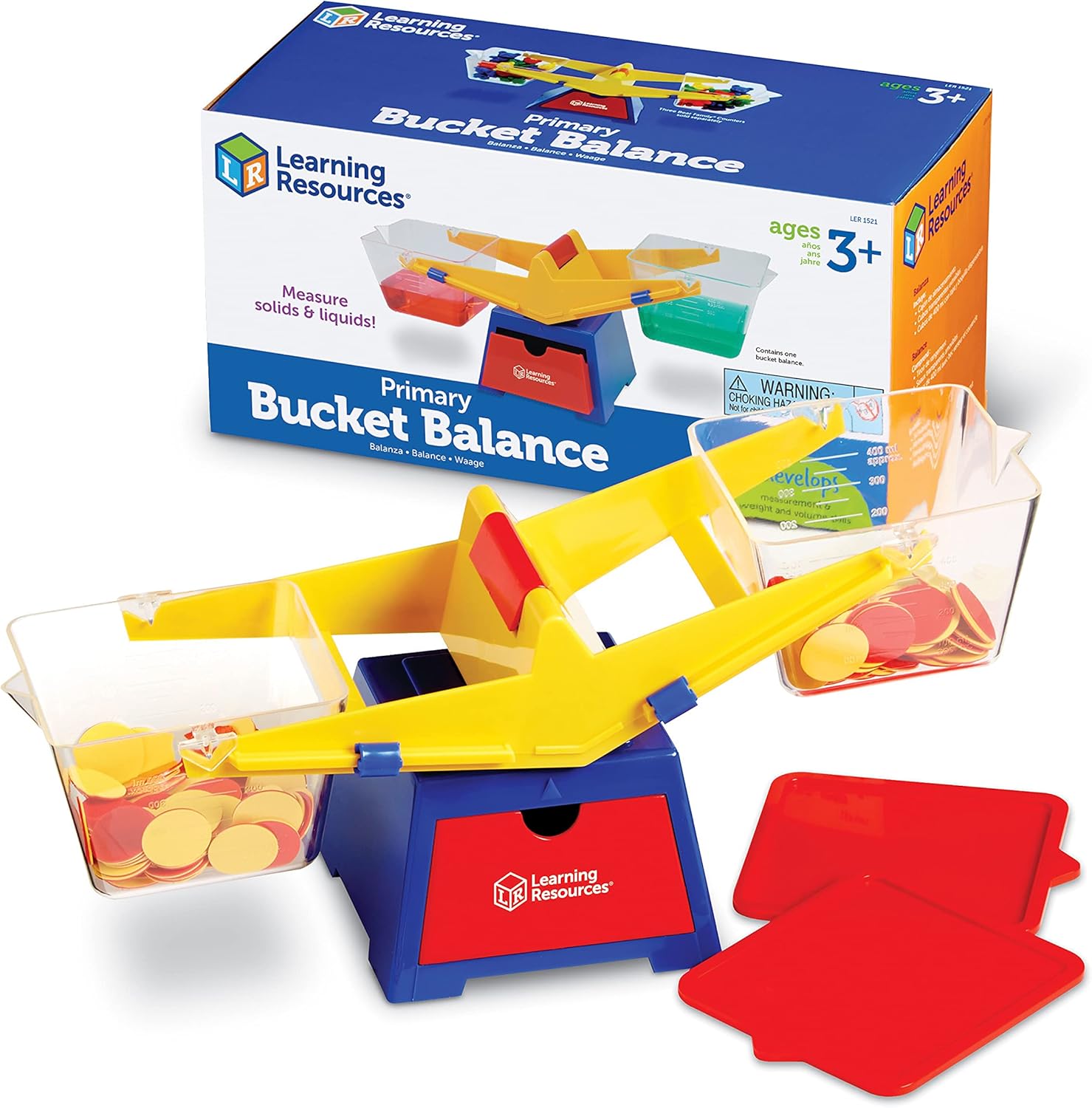
Balance the scale perfectly: “look — level! Both sides have THE SAME AMOUNT.”
Using words · expressive
Set fairness challenges: “make them the same amount!” — then verify together: “equal! exactly the same!”
Finding it tricky? Use the balance as the judge — “same” when level, “not same” when tipped — the toy explains the word.
Too easy? Fair-share disputes: “we BOTH get four — the same amount each!” — equality as playground law.
Practise it through play · 3 toy picks

Storybook 7 of 26 · Woodland Friends · in production
Enough and Too Much
Target words: enough · too much
Understanding · receptive
Pour until overflowing: “that's TOO MUCH! Just enough… perfect.” The mess makes the meaning.
Using words · expressive
Let them serve you and coach the amounts: “stop at enough!… whoa, too much!” — then swap roles.
Finding it tricky? Anchor to all-done and more: “more… more… STOP! That's enough.” Enough is where more ends.
Too easy? Apply to feelings and time: “enough tickles?”, “too much noise!” — quantity words go abstract.
Practise it through play · 3 toy picks
Storybook 8 of 26 · Woodland Friends · in production
Thick and Thin, Deep and Shallow, Tiny and Huge
Target words: fine-grained size words
Understanding · receptive
Sculpt the extremes: “a THICK pancake, a thin one… a TINY ball, a HUGE one! Deep hole, shallow puddle.”
Using words · expressive
Take sculpting orders using the fancy words: “make a HUGE snake!” — comply exactly, then order back.
Finding it tricky? Map each new word to an old friend first: “huge = very very big!” — bridges before vocabulary.
Too easy? Describe with two properties: “a thick, tiny pancake!” — stacked adjectives, chef's kiss.
Practise it through play · 3 toy picks
Storybook 9 of 26 · Woodland Friends · in production
After the Bath
Target words: after (routines)
Understanding · receptive
Flag the afters all day: “AFTER the bath, pyjamas. After lunch, the park!” Point to what follows.
Using words · expressive
Quiz the sequence: “what happens after the bath?” — and honour their answer when you can. Prediction pays.
Finding it tricky? Then is the training word: “bath, THEN pyjamas” — after is then with a diary.
Too easy? Ask them to plan with it: “what should we do after dinner?” — the future, scheduled by a four-year-old.
Practise it through play · 3 toy picks


Storybook 10 of 26 · Woodland Friends · in production
Before and After
Target words: before · after
Understanding · receptive
Show transformations: “BEFORE — dry farm. AFTER — wet and painted! Before the party… after the party!”
Using words · expressive
Compare the two states aloud: “what was it like before?” — building the before/after report.
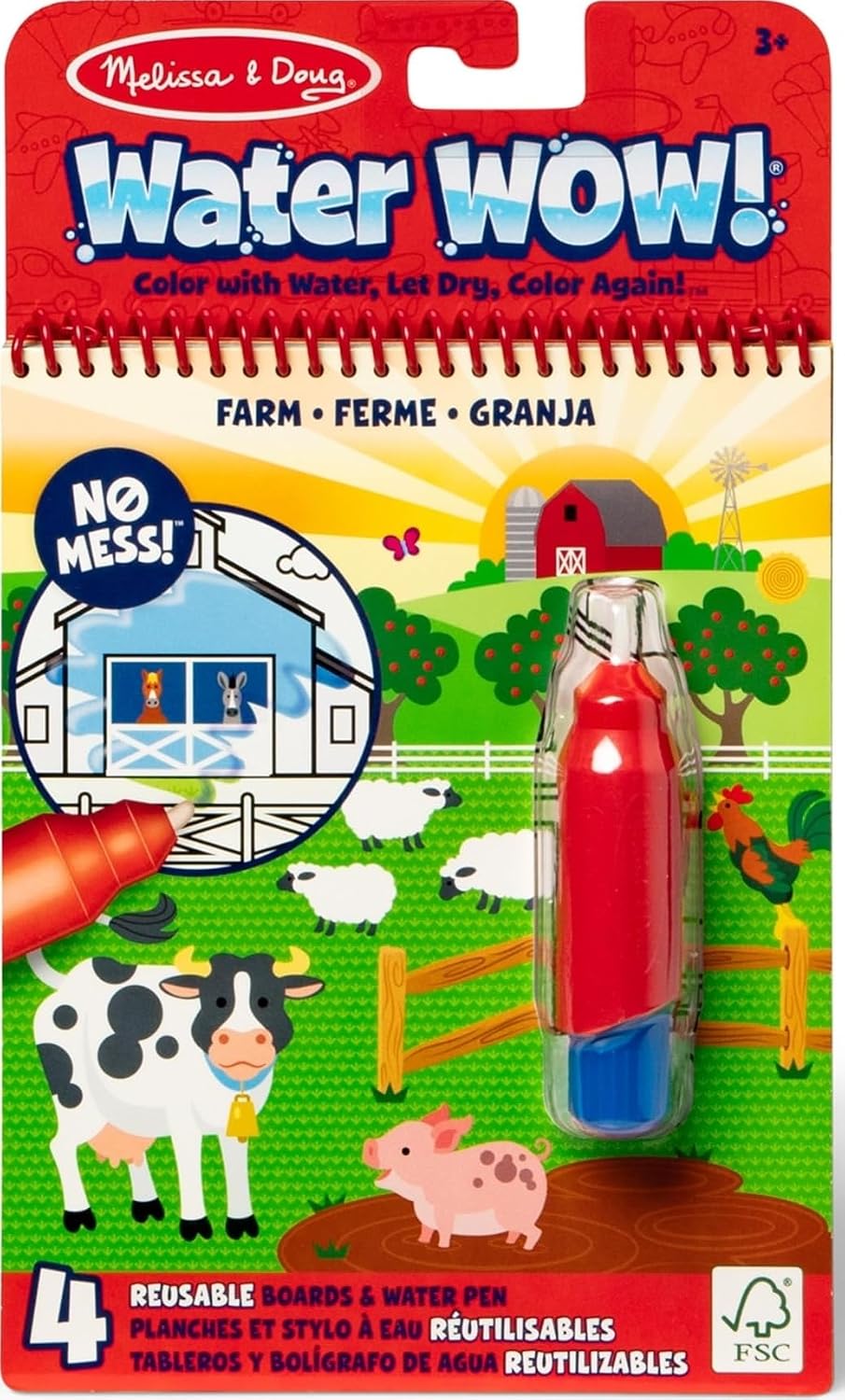
Finding it tricky? One pair at a time with photos or the Water Wow page — the picture holds the memory while the words form.
Too easy? Full transformation stories: “before it was plain, then we decorated it, and after it was BEAUTIFUL!”
Practise it through play · 3 toy picks
Storybook 11 of 26 · Woodland Friends · in production
Today and Tomorrow
Target words: today · tomorrow · yesterday
Understanding · receptive
Work the calendar daily: “TODAY is swimming. TOMORROW we see Grandma. YESTERDAY we made cake — remember?”
Using words · expressive
Ask the calendar questions: “what's happening today?” — and let them move the markers as they answer.
Finding it tricky? Today only, said at the moment of the thing: “swimming — that's TODAY!” Yesterday and tomorrow can queue.
Too easy? Weave all three into news-telling: “yesterday we baked, today we eat it, tomorrow we make MORE!”
Practise it through play · 3 toy picks
Storybook 12 of 26 · Woodland Friends · in production
Old and New
Target words: old · new
Understanding · receptive
Compare fresh and worn: “fresh dough — brand NEW! This squashed bit is OLD. New shoes, old slippers!”
Using words · expressive
Sort possessions: “old or new?” — then the choosing question: “want the old book or the NEW one?”
Finding it tricky? Tie to the unboxing moment: “NEW!” said at the reveal — newness is an event before it's a word.
Too easy? Talk about time making things old: “it WAS new, now it's old” — past tense meets the passage of time.
Practise it through play · 3 toy picks

Storybook 13 of 26 · Woodland Friends · in production
How Are They the Same?
Target words: explaining sameness
Understanding · receptive
Compare matching pairs out loud: “both cows! both spotty! they're the same because they're BOTH cows.”
Using words · expressive
Ask the golden question: “how are they the same?” — accept one feature (“both blue!”) and add another yourself.
Finding it tricky? Point at the shared feature while saying it: “same colour — look, blue and blue!” Seeing before explaining.
Too easy? Same AND different in one breath: “both animals, but one is big and one is little!” — the full comparison.
Practise it through play · 3 toy picks
Storybook 14 of 26 · Woodland Friends · in production
The Biggest
Target words: superlatives -est
Understanding · receptive
Crown the champions: “big, bigger… the BIGGEST! The tallest tower ever!”
Using words · expressive
Line up three and award titles: “which is the biggest?” — wait for the superlative before the medal ceremony.
Finding it tricky? Two-way comparisons first: “bigger!” — the -est crown comes when -er is secure.
Too easy? Superlatives everywhere: “the loudest drum, the softest toy, the best bit of the day!”
Practise it through play · 3 toy picks

Storybook 15 of 26 · Woodland Friends · in production
Taller Than You
Target words: comparing with than
Understanding · receptive
Measure everything against everything: “the giraffe is taller THAN the cow! My tower is taller than yours!”
Using words · expressive
Provoke comparisons: “whose is taller?” — wait for the full form: “mine is taller than yours!” Bragging is grammar practice.
Finding it tricky? Side-by-side lineups where the answer is visible: “this one's taller — see?” The than frame comes after the seeing.
Too easy? Chain comparisons: “taller than the cow but shorter than the giraffe!” — one thing placed between two others.
Practise it through play · 3 toy picks

Storybook 16 of 26 · Woodland Friends · in production
Longer, Shorter, Wider
Target words: measured comparisons
Understanding · receptive
Stretch and compare: “yours is LONGER! mine is SHORTER. Make the road WIDER for the truck!”
Using words · expressive
Set engineering problems: “the truck doesn't fit — make it WIDER!” — the fix requires the word.
Finding it tricky? One dimension at a time: a week of longer/shorter before wider/narrower joins.
Too easy? Measure with units: “longer by TWO cubes!” — comparisons get numbers.
Practise it through play · 3 toy picks
Storybook 17 of 26 · Woodland Friends · in production
It Was, They Were
Target words: was · were (talking about the past)
Understanding · receptive
Reminisce out loud: “the party WAS lovely. The animals WERE hiding — remember?”
Using words · expressive
Play remember-when about this morning: “where WERE the lions?” — “they were in the box!” Recent memory, past grammar.
Finding it tricky? Recast gently: “the cake nice? Yes — it WAS nice!” — they borrow the was from your echo.
Too easy? Contrast then and now: “it WAS empty, now it IS full!” — tense as a before/after machine.
Practise it through play · 3 toy picks
Storybook 18 of 26 · Woodland Friends · in production
He's, She's, It's
Target words: contractions with 's
Understanding · receptive
Narrate with contractions: “HE'S climbing! SHE'S happy! IT'S stuck!” — the natural music of English.
Using words · expressive
Ask “what's happening?” and echo answers into contractions: “he climbing? Yes — HE'S climbing!”
Finding it tricky? Accept the full form or the missing verb — just keep modelling the contraction back warmly.
Too easy? Mix persons rapidly in commentary games: “he's running, she's jumping, it's rolling, they're ALL busy!”
Practise it through play · 3 toy picks
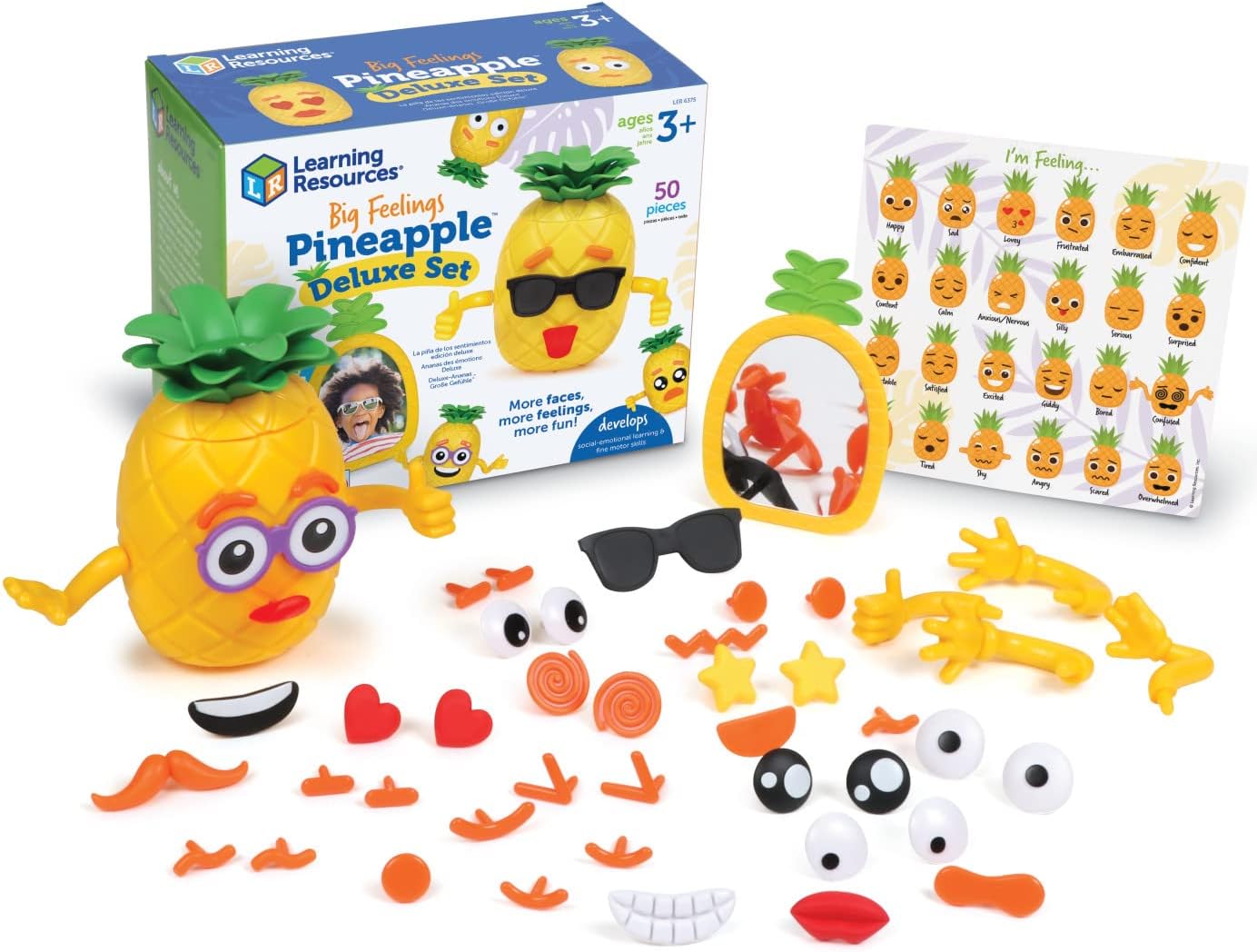
Storybook 19 of 26 · Woodland Friends · in production
His and Hers
Target words: his · hers · mine · yours
Understanding · receptive
Distribute belongings with pronoun flags: “the hat is HIS. The cup is HERS. This one's MINE — that's YOURS!”
Using words · expressive
Play the sorting-out game: “whose is this?” — “HERS!” — deal out the tea set by pronoun alone.
Finding it tricky? Names first when it tangles: “it's Anna's… it's HERS” — the name and pronoun said together, every time.
Too easy? Full possession disputes in pretend play: “that's not yours, it's his — yours is the blue one!”
Practise it through play · 3 toy picks
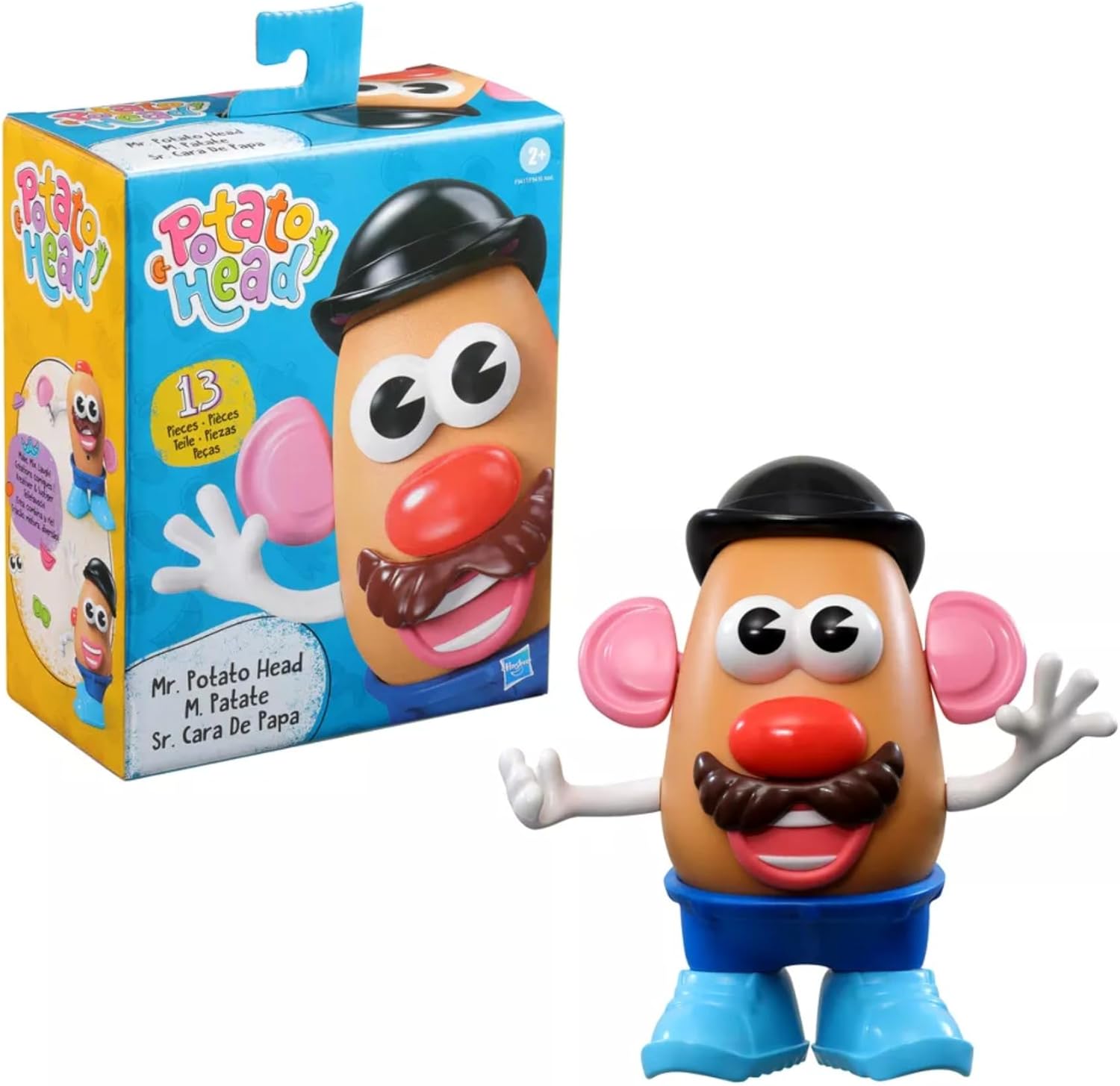
Storybook 20 of 26 · Woodland Friends · in production
But
Target words: but (contrast)
Understanding · receptive
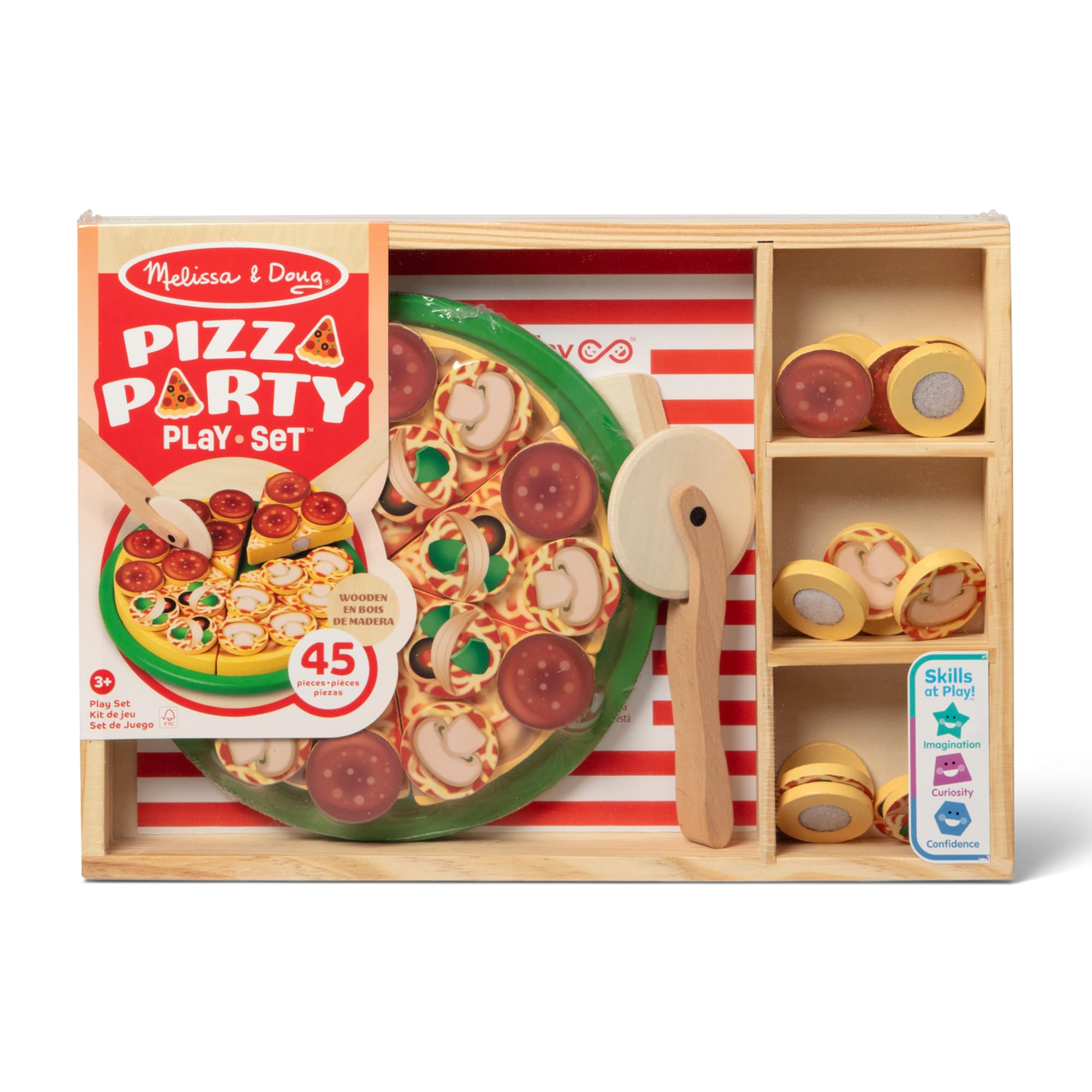
Model gentle contrasts: “I like the pizza BUT not the mushrooms. The pop-up is fun BUT tricky!”
Using words · expressive
Ask two-part opinion questions: “what's good and what's not?” — shape answers into the but frame: “fun BUT loud!”
Finding it tricky? Start from and: “fun AND loud” — then show how but flips the feeling of the second half.
Too easy? Use but in negotiation: “you can have one more, BUT then it's bath time” — and let them use it back!
Practise it through play · 3 toy picks
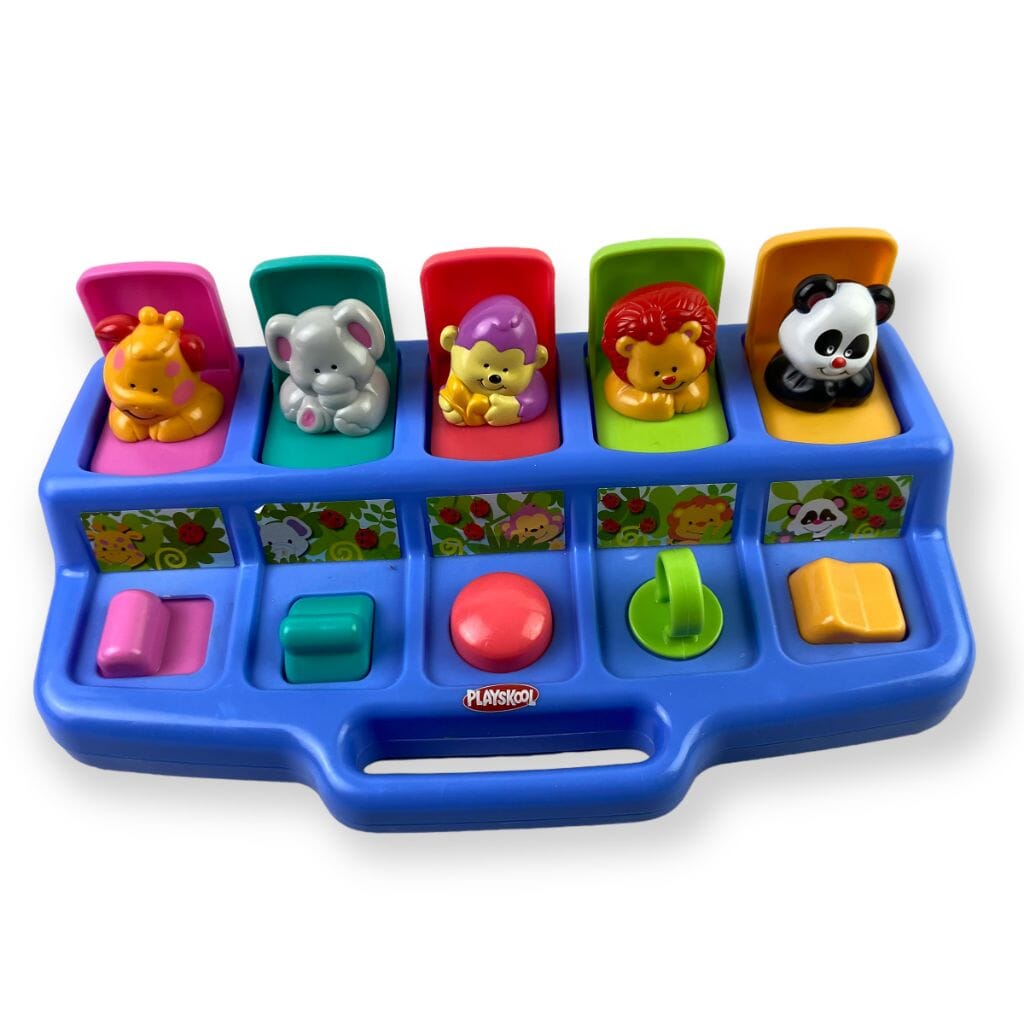
Storybook 21 of 26 · Woodland Friends · in production
Or
Target words: or (choices)
Understanding · receptive
Offer real choices constantly: “chocolate OR strawberry? The slide OR the swing?” Two options, one or.
Using words · expressive
Make them the waiter: they must offer YOU choices — “pizza or ice-cream?” — asking with or is the target.
Finding it tricky? Show the options in your two hands as you say them — left hand chocolate, right hand strawberry — or made visible.
Too easy? Three-way choices and refusals: “this, that, or NEITHER!” — or meets Band 6 logic.
Practise it through play · 3 toy picks

Storybook 22 of 26 · Woodland Friends · in production
A Puddle Because of Rain
Target words: because (things that happen)
Understanding · receptive
Explain the world's little events: “a puddle — BECAUSE of the rain! The paint dried BECAUSE of the sun.”
Using words · expressive
Wonder aloud together: “why is the farm wet?” — model the full answer: “BECAUSE we painted it!”
Finding it tricky? Offer the because half-finished: “wet because of the…?” — “RAIN!” They complete, you celebrate.
Too easy? Chains of causes: “it rained, so there's a puddle, so we need BOOTS!” — one because becomes a story.
Practise it through play · 3 toy picks
Storybook 23 of 26 · Woodland Friends · in production
She Cried Because…
Target words: because (feelings)
Understanding · receptive
Give feelings reasons: “she's crying BECAUSE she dropped her cake. He's happy BECAUSE it's his birthday!”
Using words · expressive
Ask about story characters: “why is she sad?” — wait for a because answer, and accept any sensible reason warmly.
Finding it tricky? Name the feeling first, then add the reason yourself: “sad… because the ice-cream fell.” Two steps, one idea.
Too easy? Their own feelings, past tense: “I was cross because YOU had the digger!” — emotional truth, perfect grammar.
Practise it through play · 3 toy picks
Storybook 24 of 26 · Woodland Friends · in production
Who and Whose?
Target words: who · whose
Understanding · receptive
Fill play with who/whose: “WHO's at the door? WHOSE hat is this?” — then answer dramatically: “it's GRANDMA'S!”
Using words · expressive
Hand them the detective role: they ask the whos and whoses, you answer — asking questions is the summit.
Finding it tricky? Anchor whose to the possessive 's they know: “whose? Mummy's!” — question and answer as one chunk.
Too easy? Mystery games: dress a hidden character, they interrogate — “who is it? whose shoes are those?” — twenty questions begins.
Practise it through play · 3 toy picks
Storybook 25 of 26 · Woodland Friends · in production
If I Press It…
Target words: first if · then
Understanding · receptive
Narrate discoveries as rules: “IF I press this side down, THEN that side goes up! Every time!”
Using words · expressive
Test predictions together: “what happens IF we add one more?” — wait for a then, and verify it live.
Finding it tricky? Show the pattern wordlessly a few times first, then attach the words to what they've already noticed.
Too easy? Invented rules in pretend play: “IF you ring the bell, THEN the shop opens!” — they legislate, everyone obeys.
Practise it through play · 3 toy picks
Storybook 26 of 26 · Woodland Friends · in production
Putting It All Together
Target words: Band 5 words in storytelling
Understanding · receptive
Model tiny complete stories: “the marble climbed up, whooshed down, and CRASHED into the cup — the end!”
Using words · expressive
Prompt the retell: “tell Daddy what happened!” — scaffold with “and then…?” whenever the story stalls.
Finding it tricky? Two-event stories are complete stories: “it went up… it fell down!” — celebrate the arc, however tiny.
Too easy? Add story spine words: “ONCE the lion… SUDDENLY… luckily… THE END!” — Band 6's storytelling voice arrives.
Practise it through play · 3 toy picks
Two ways to travel
Two ways to grow your child's talking
Same milestones, same speech-pathologist goals — you simply choose how you get there. Follow the toys, follow Julia's books, or blend both. There's no wrong turn.
The Toy Way
Play the goals with toys
Pick a toy your child already loves. Each one comes with exactly what to say and do — Bronze, Silver and Gold goals from a speech pathologist. Buy the toy, and the play does the teaching.
Julia's Way
Weave the goals into everyday life
Prefer no new toys? Julia's Woodland Friends storybooks and parent handouts show you how to build the same goals into the routines you already have — mealtimes, bath time, the walk to the park.