Foundation Language
🌱 Band 1: Emerging Communicators
The very beginning of talking — powerful little words your child can feel with their whole body: more, go, in, out, up, down, all gone. This band is all about discovering that words work.
Below are all 10 concepts in this band, in series order — and each one is its own Woodland Friends storybook by Julia. Work through them top to bottom at your child's own pace. Each one shows the target words, a quick guide to what to do (understanding is what your child takes in — receptive language; using words is what they say — expressive language), and 3 toys from the library that practise it beautifully. It's completely normal for a child to be stronger at one than the other. You can add any toy to your Amazon cart individually, or grab all three at once — prices and availability vary by country, and the buttons always open your local Amazon.
Woodland Friends · the storybooks for this band
Every concept below has its own cosy Woodland Friends storybook by Julia — buy them one at a time, or get the complete Band 1 bundle (all ten books + the exclusive workbook) at a huge discount. The books arrive September 2026 — pop your name on the waitlist and you'll hear the moment they land.
Peek at the Band 1 booksWord kits in this band
Storybook 1 of 10 · Woodland Friends
In and Out
Target words: in · out
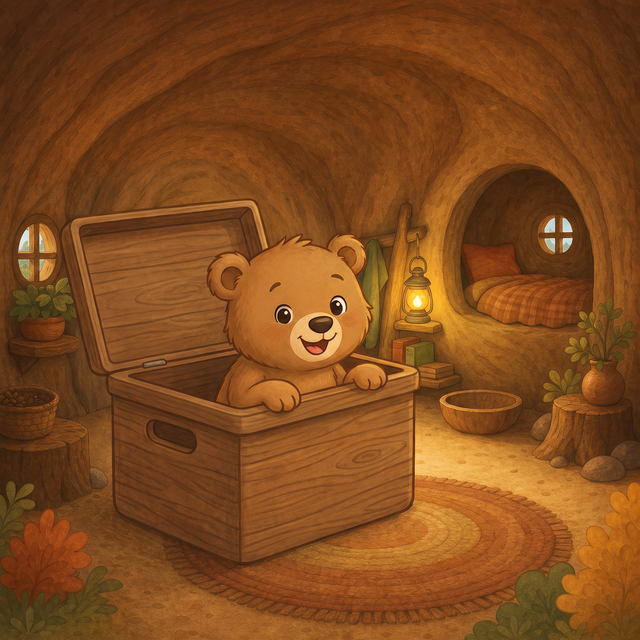
Read it together — with Bo the Bear
Bo the Bear and a very wiggly honey pot teach the very first location words — in and out — ten playful times each.
Understanding · receptive
Give tiny instructions during posting play — “put teddy IN… now take teddy OUT” — and cheer when they follow.
Using words · expressive
Hold the piece at the opening, pause, and wait expectantly: “in… IN!” Any sound or attempt counts.
Finding it tricky? Drop the instructions — just say “IN!” at the exact moment it happens, every single time. Hearing it paired with the action is the learning.
Too easy? Add the object for two words together: “block in!”, “teddy out!” — then let them fill the gap: “teddy…?”
Practise it through play · 3 toy picks


Storybook 2 of 10 · Woodland Friends
On and Off
Target words: on · off
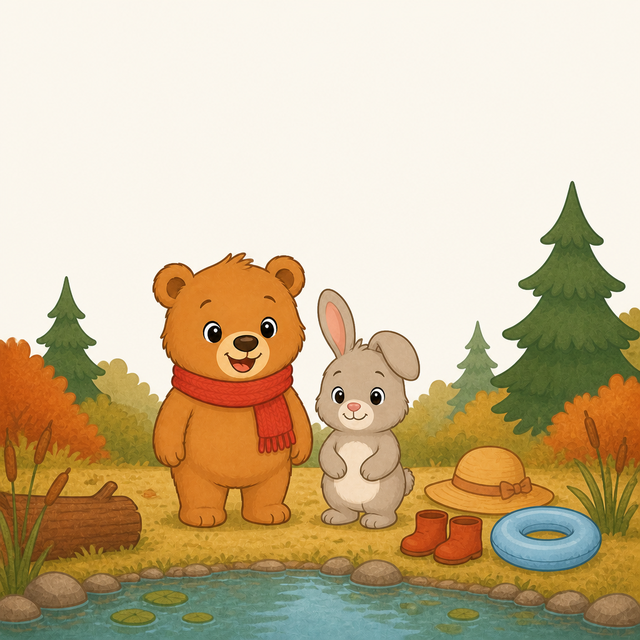
Read it together — with Bo the Bear
A pond-day comedy with Bo and Suki: the red scarf goes on, the red scarf comes off... again and again and again.
Understanding · receptive
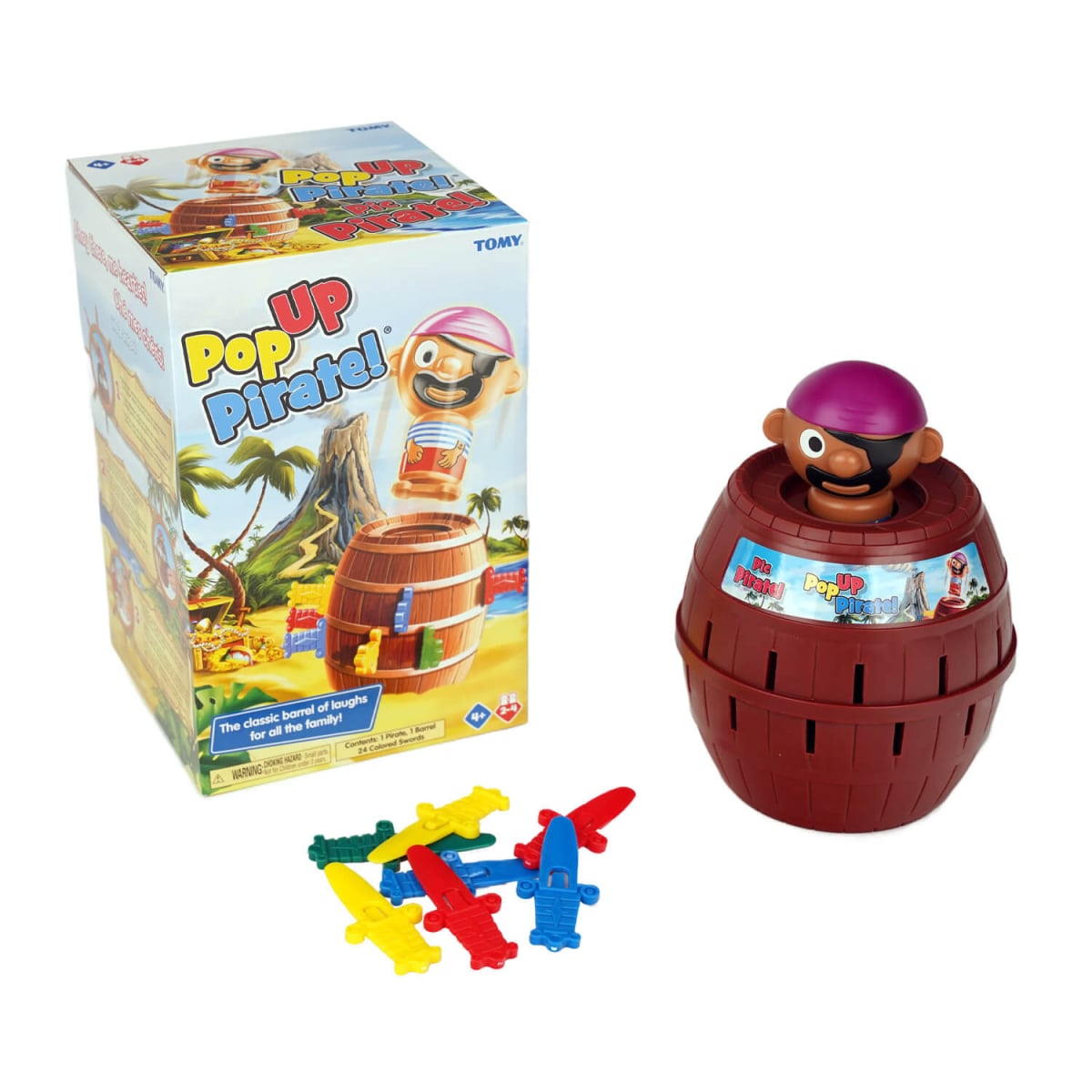
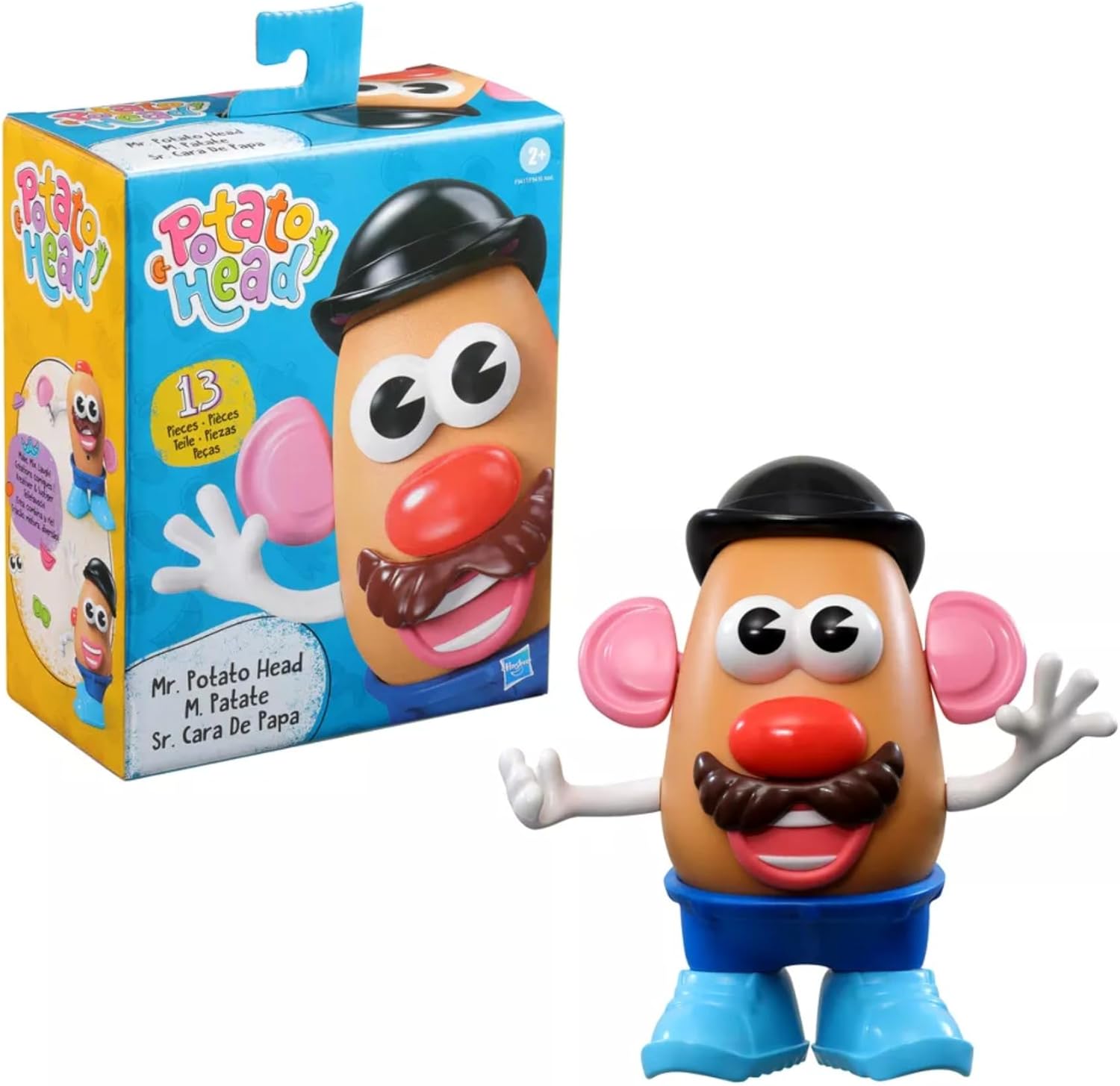
Say “ON” as you press a piece on and “OFF” as you pull it off — lids, hats, stickers, Mr Potato Head arms.
Using words · expressive
Offer the piece and wait: “hat… ON!” Pause before the pull — “and… OFF!” — and let them shout the word.
Finding it tricky? Play with just one word — everything goes ON. Add OFF another day once ON is easy.
Too easy? Two-word combinations: “hat on”, “light off” — then whose: “hat on Daddy!”
Practise it through play · 3 toy picks


Storybook 3 of 10 · Woodland Friends
Up and Down
Target words: up · down
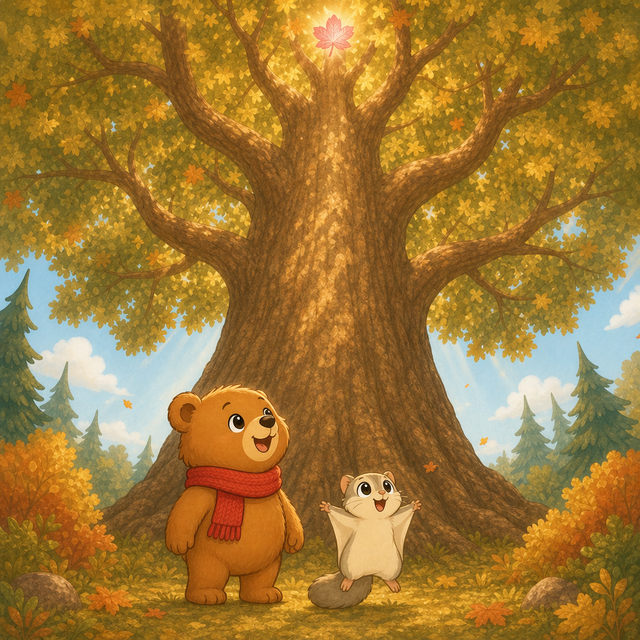
Read it together — with Bo the Bear & Nara
Nara the flying squirrel is scared of heights — but the sweetest blossom grows at the very top of the Big Maple Tree. A gentle bravery story.
Understanding · receptive
Build a tower saying “UP, up, up…” for every block, then a dramatic “DOWN!” when it crashes.
Using words · expressive
Pause at the top of the tower and wait — most children fill in the “DOWN!” before the crash. That is the word you are after.
Finding it tricky? Use your voice and body: say “up” going squeaky-high and “down” going low as you lift them or the toy. Understanding comes first.
Too easy? Add what is moving: “cup up!”, “blocks down!” — or stretch to “more up!”
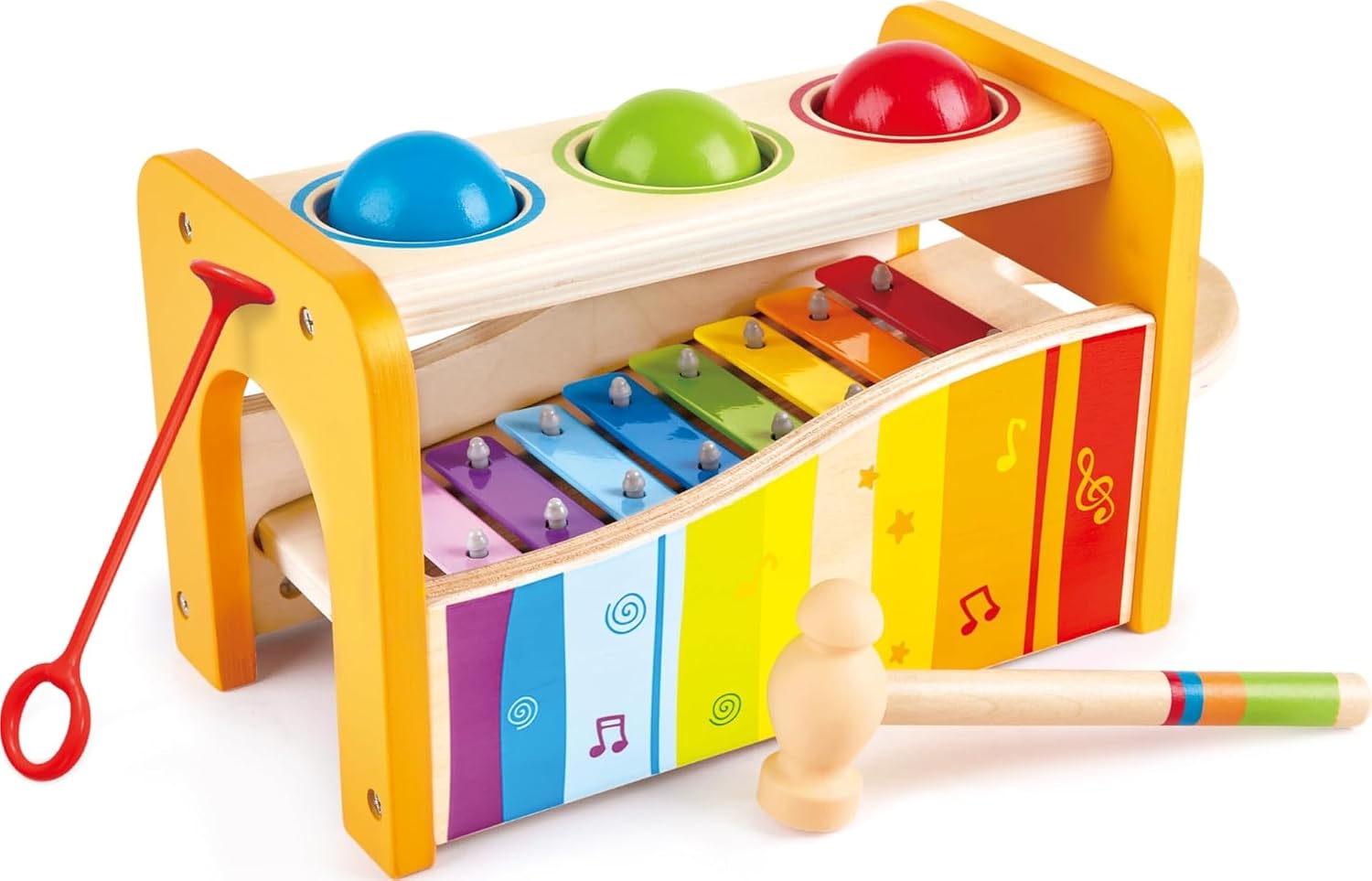
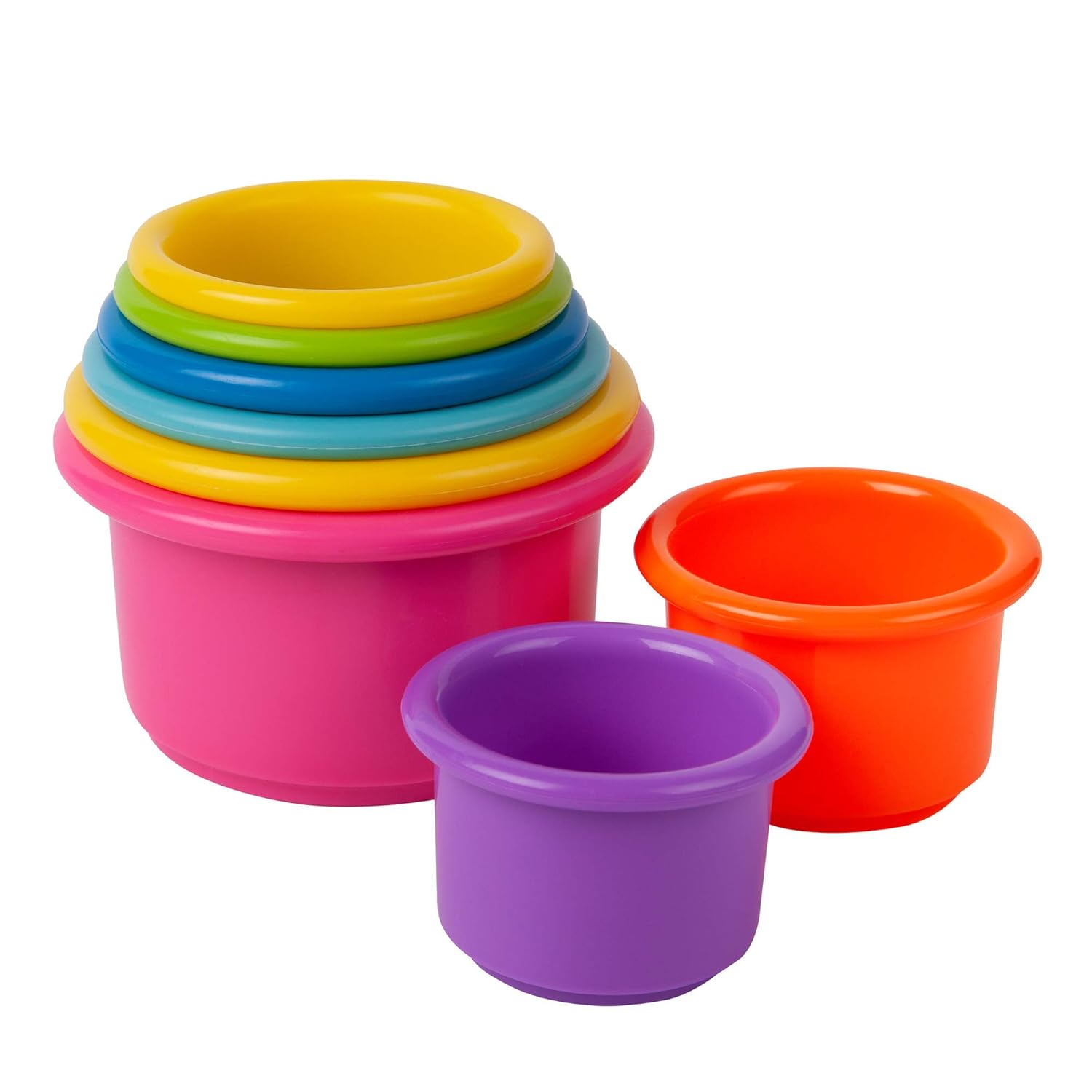
Practise it through play · 3 toy picks

Storybook 4 of 10 · Woodland Friends
More!
Target words: more · again
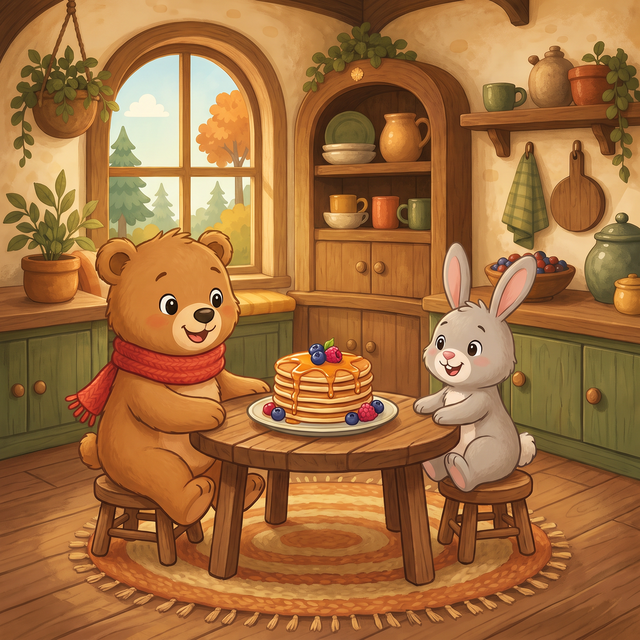
Read it together — with Suki the Bunny
Berry pancakes in the Kitchen Nook — and the single most powerful first word a toddler can learn: more!
Understanding · receptive
Do something wonderful, stop, and ask “MORE?” — bubbles, tickles, pops. Watch them show you yes with their whole body.
Using words · expressive
Blow bubbles, close the lid, and wait. Model “more!” and accept any attempt — “muh” absolutely counts.
Finding it tricky? Accept a reach, a look or a hand-over as their “more”, and say the word for them: “MORE! You want more!”
Too easy? Stretch to “more bubbles!”, “more tickles!” — the classic first two-word combination.
Practise it through play · 3 toy picks


Storybook 5 of 10 · Woodland Friends
All Gone
Target words: all gone · finished
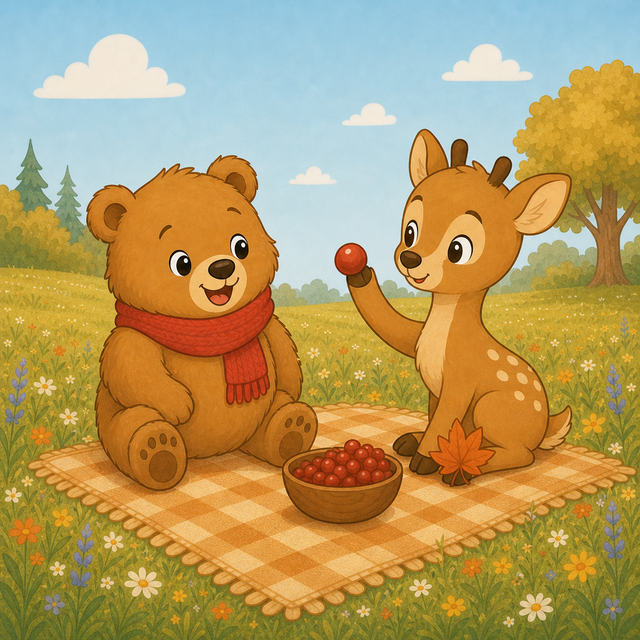
Read it together — with Woodland Friends
Kip the Deer saves his best big berry for last — and it vanishes! A gentle whodunnit about endings, sorry and sharing.
Understanding · receptive
Show empty hands after the last bubble or snack: “ALL GONE!” — shrug, palms up, big face. They will understand before they say it.
Using words · expressive
Finish the pops, pause with the empty tub, and wait: “all… GONE!” Let them do the shrug and the words.
Finding it tricky? Make it a routine at every meal end — same words, same gesture. Routines teach faster than lessons.
Too easy? Add what is gone: “bubbles all gone!”, “ducks all gone!” — three words that tell a whole story.
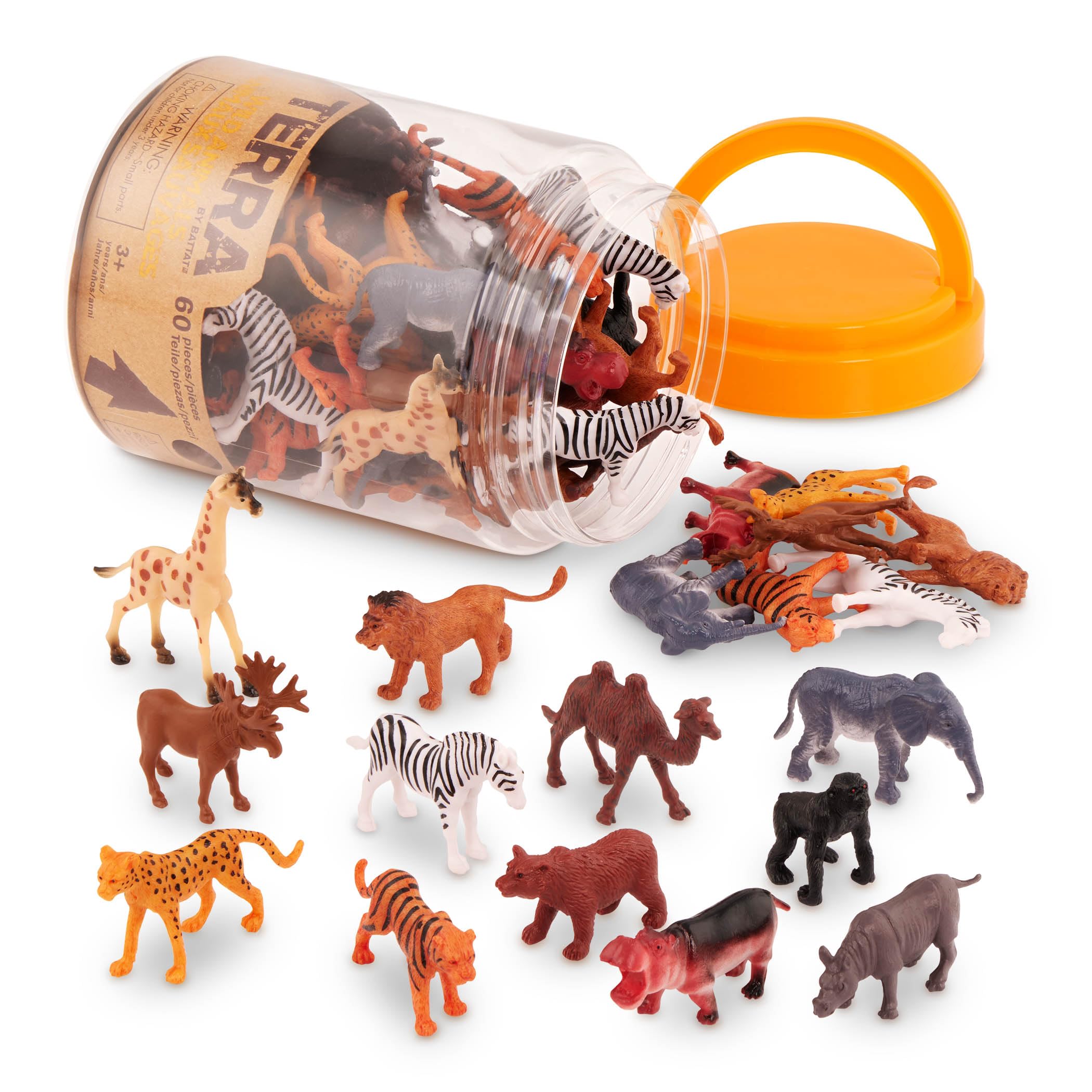
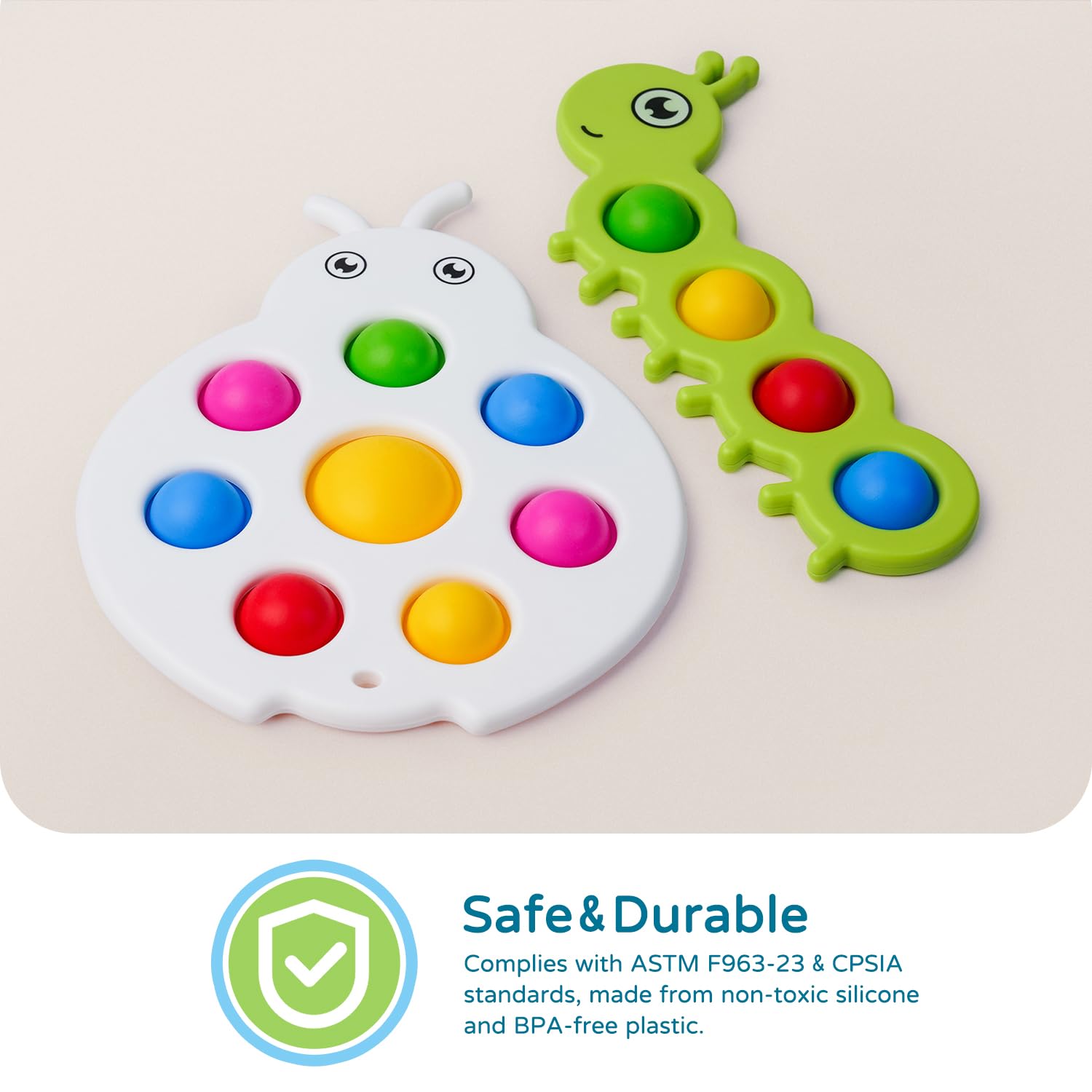
Practise it through play · 3 toy picks
Storybook 6 of 10 · Woodland Friends
Big and Little
Target words: big · little
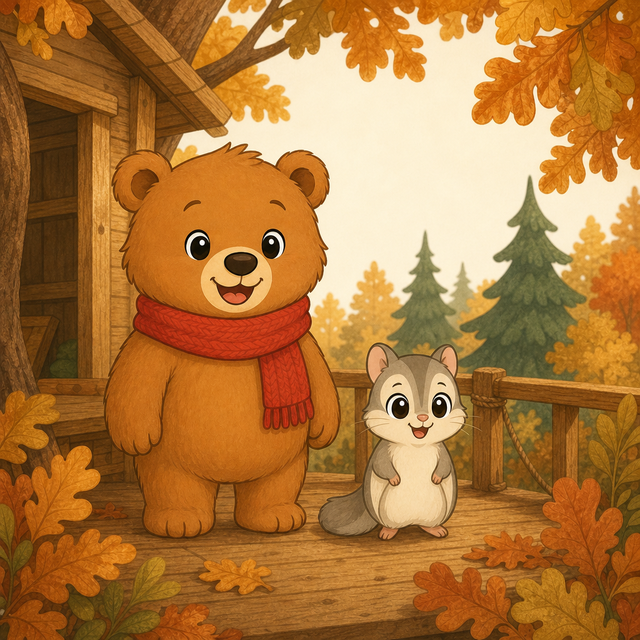
Read it together — with Woodland Friends
Nara is sick of being the smallest — until the treehouse key falls where only little paws can reach. First describing words, and a quiet cheer for being small.
Understanding · receptive
Line up a big and a little of the same thing and ask them to “find the BIG one!” — stretch the word: “biiiig”.
Using words · expressive
Offer a choice and wait: “big cup or little cup?” Whatever they choose, echo it back: “BIG cup!”
Finding it tricky? Work on big only, with your voice and arms doing the teaching — “BIIIIG!” with wide arms, every time.
Too easy? Combine: “big dog, little dog” — then hunt the house for big and little pairs together.
Practise it through play · 3 toy picks
Storybook 7 of 10 · Woodland Friends
The Same One
Target words: same · matching
Read it together — with Woodland Friends
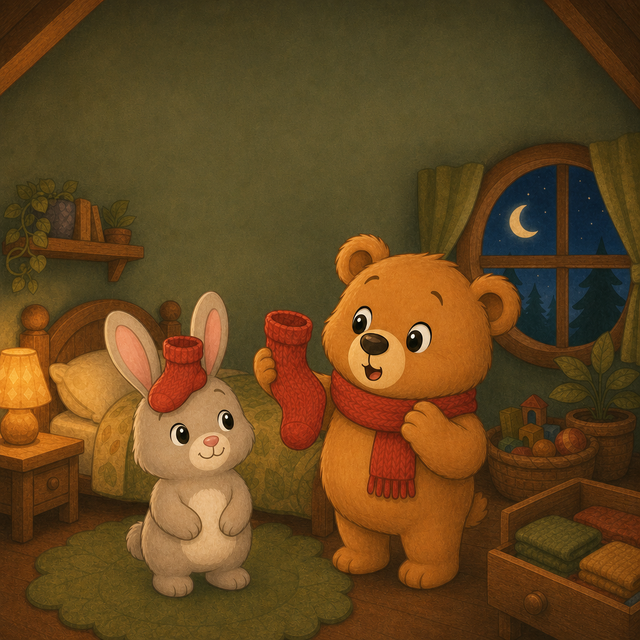
A cozy bedtime hunt for things that match — because spotting the same is how little brains sort the whole world.
Understanding · receptive
Hold up an animal and ask them to “find the SAME!” from a small pile — start with two obvious choices.
Using words · expressive
When they match a pair, model it: “SAME! Two cows — the same!” and wait for “same” back on the next pair.
Finding it tricky? Match with them hand-over-hand and say “same!” at the moment the pair meets. No testing, just showing.
Too easy? Ask “are they the same?” about near-misses — same animal, different colour — and model “not the same!”
Practise it through play · 3 toy picks
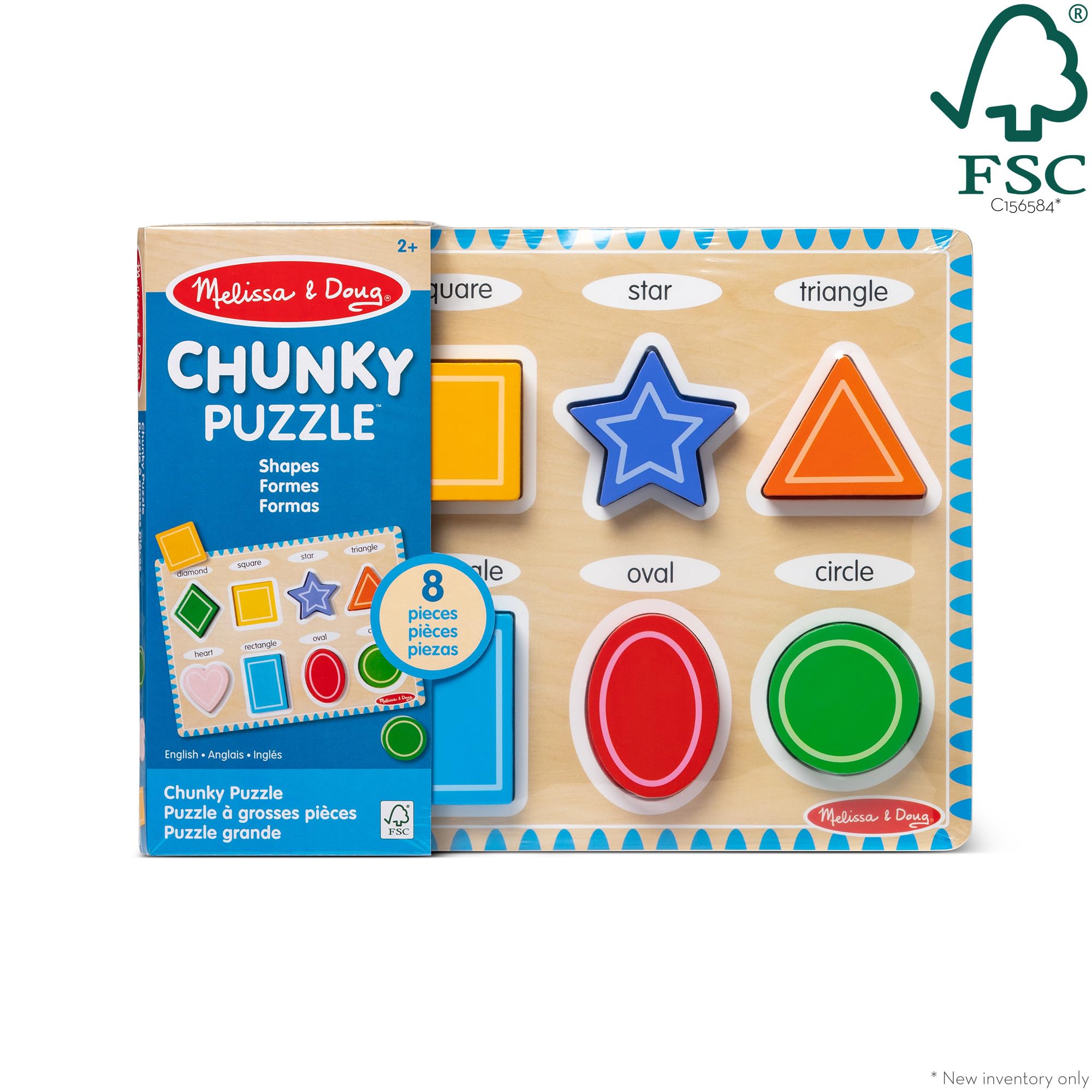

Storybook 8 of 10 · Woodland Friends
No!
Target words: no · protesting
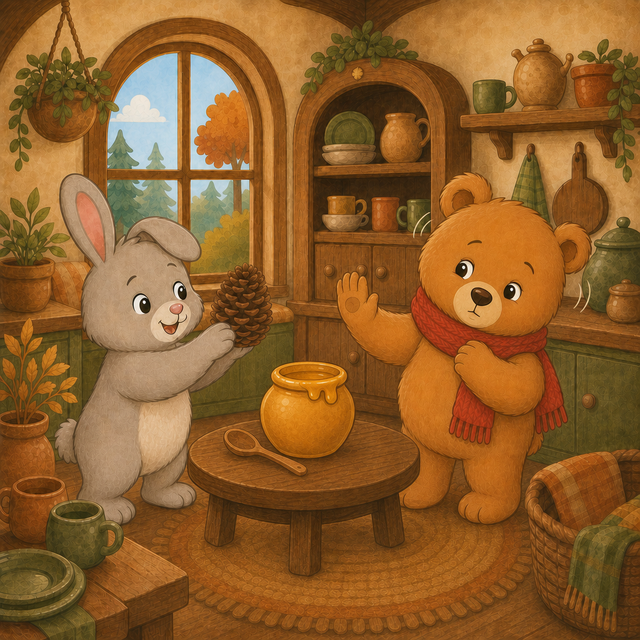
Read it together — with Woodland Friends
Suki serves up a pinecone, an acorn, a rock... Bo’s giggly dinner game makes “no” the funniest — and mightiest — word a toddler can learn.
Understanding · receptive
Honour their “no” everywhere you can — offer the wrong thing on purpose (“want the sock?”) and react warmly to the refusal.
Using words · expressive
Offer silly wrong choices during play and model the word with a head-shake: “NO! Not the sock!” — then wait for their turn.
Finding it tricky? Accept a head-shake or a push-away as a clear “no” and voice it for them: “NO! You said no!”
Too easy? Stretch to “no more”, “no ta” or “not that one” — polite protest is still protest.
Practise it through play · 3 toy picks
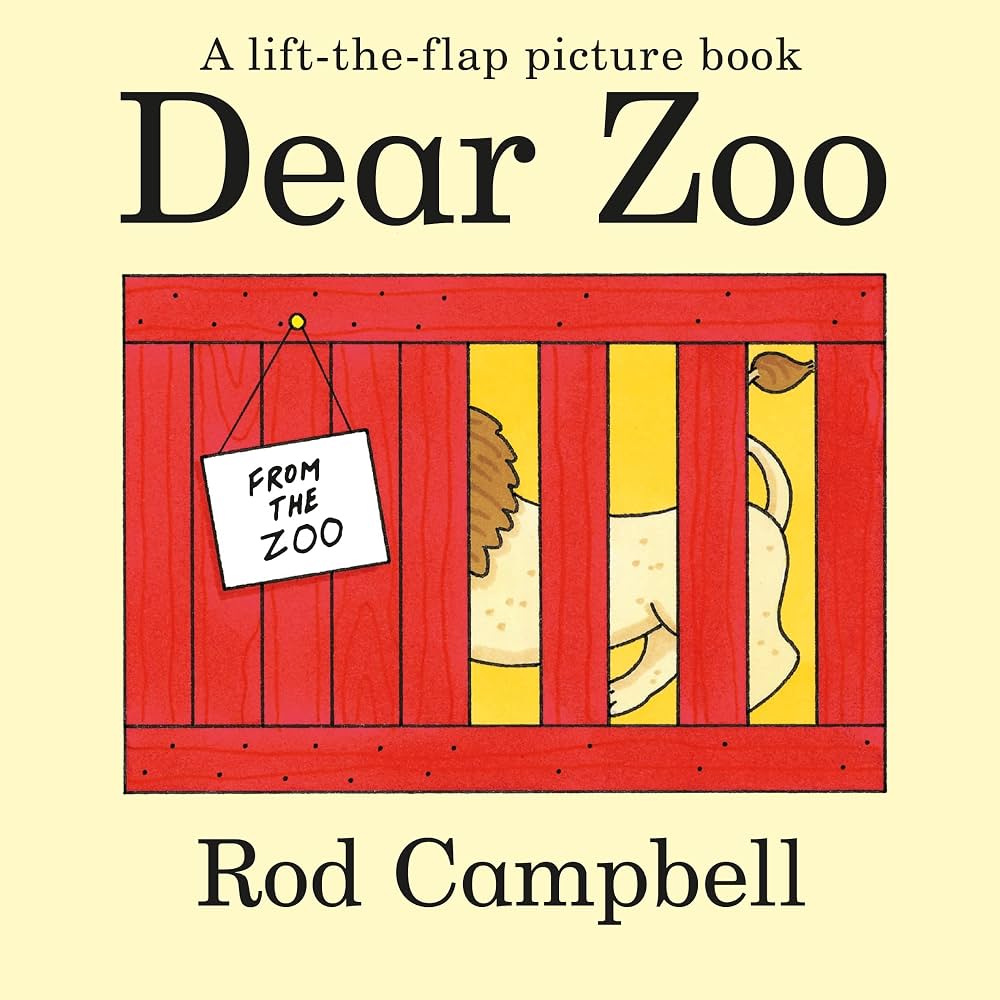
Storybook 9 of 10 · Woodland Friends
Uh-Oh, Broken!
Target words: uh-oh · broken · fix
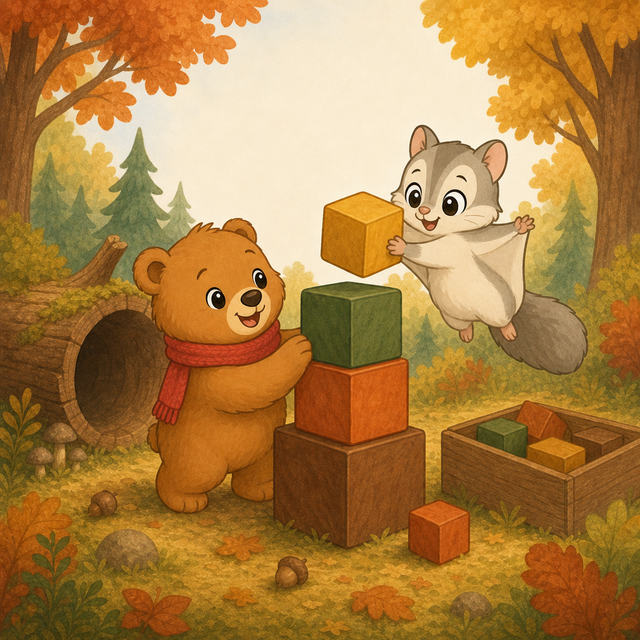
Read it together — with Woodland Friends
CRASH! Nara’s great tower tumbles — twice! Bo knows just what to say: uh-oh, broken... let’s fix it! A giggly build-and-mend adventure.
Understanding · receptive
Knock the tower over, drop the spoon, pop a wheel off: “UH-OH!… it's BROKEN… let's FIX it!” — narrate the little drama.
Using words · expressive
Engineer an uh-oh, then pause and wait: children usually catch “uh-oh” before almost any other word.
Finding it tricky? Just play the uh-oh game — drop things and say “uh-oh!” together. Broken and fix can wait.
Too easy? Give them the repair script: “broken! fix it!” — two tiny sentences they can use all day long.
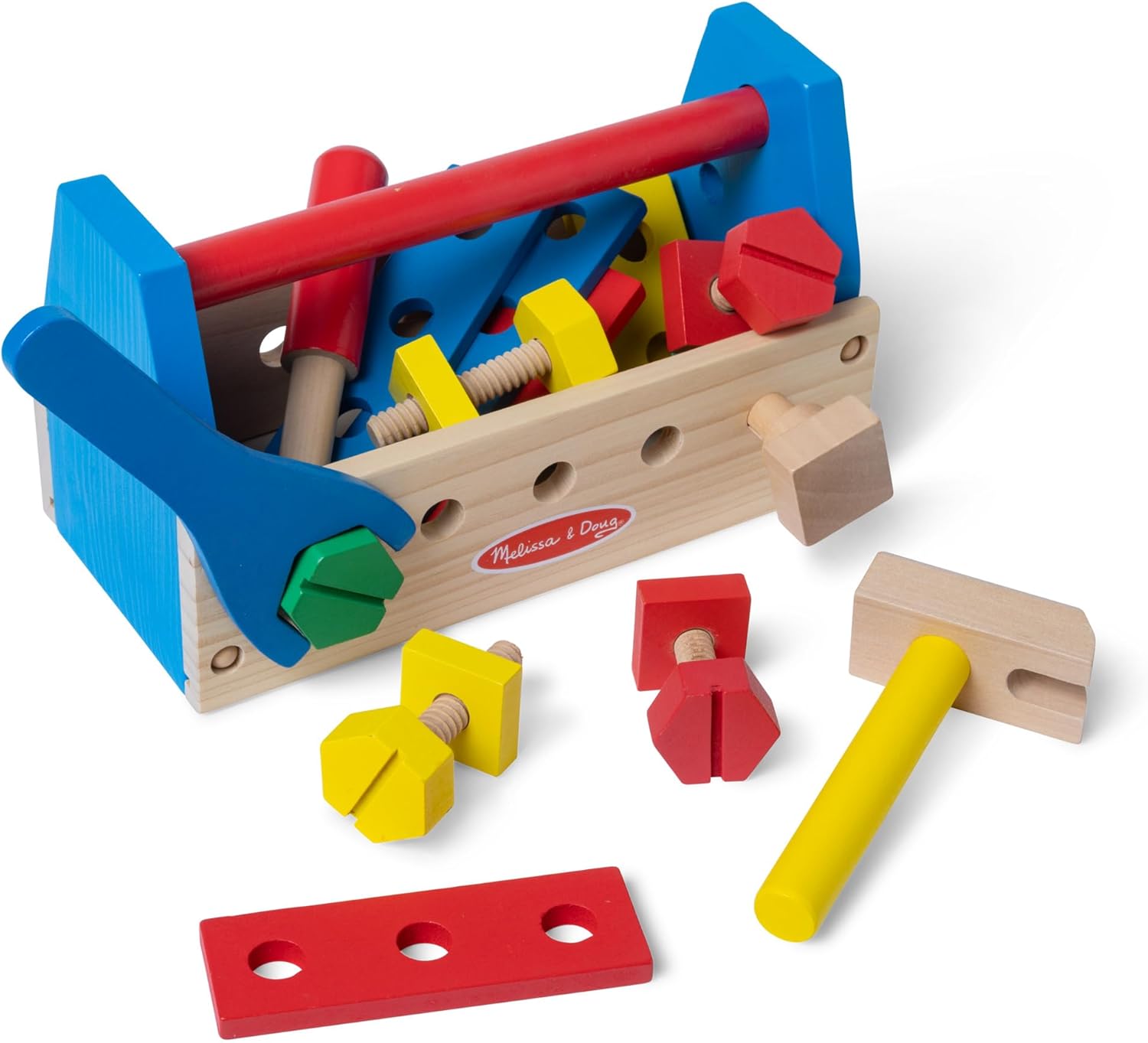
Practise it through play · 3 toy picks
Storybook 10 of 10 · Woodland Friends
Off We Go!
Target words: go — putting Band 1 words together
Read it together — with All the Woodland Friends
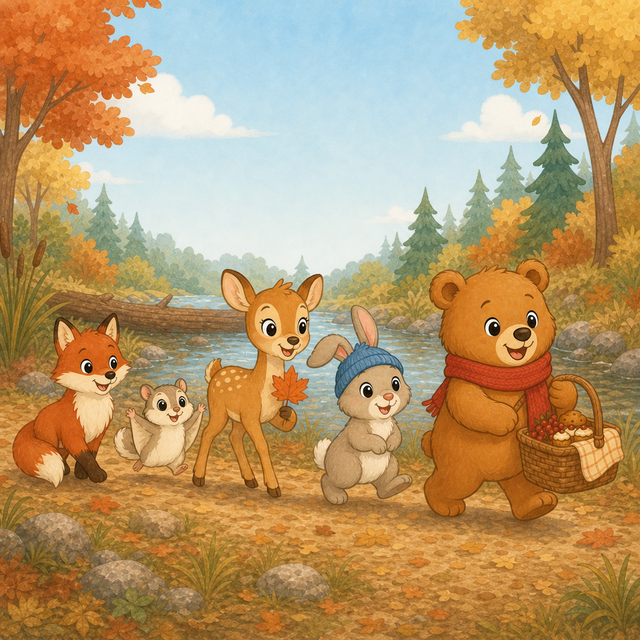
The whole gang sets off to the creek — and every Band 1 word comes along for the trip. A joyful, cosy Band 1 finale where all the first words your child has grown get one big victory lap.
Understanding · receptive
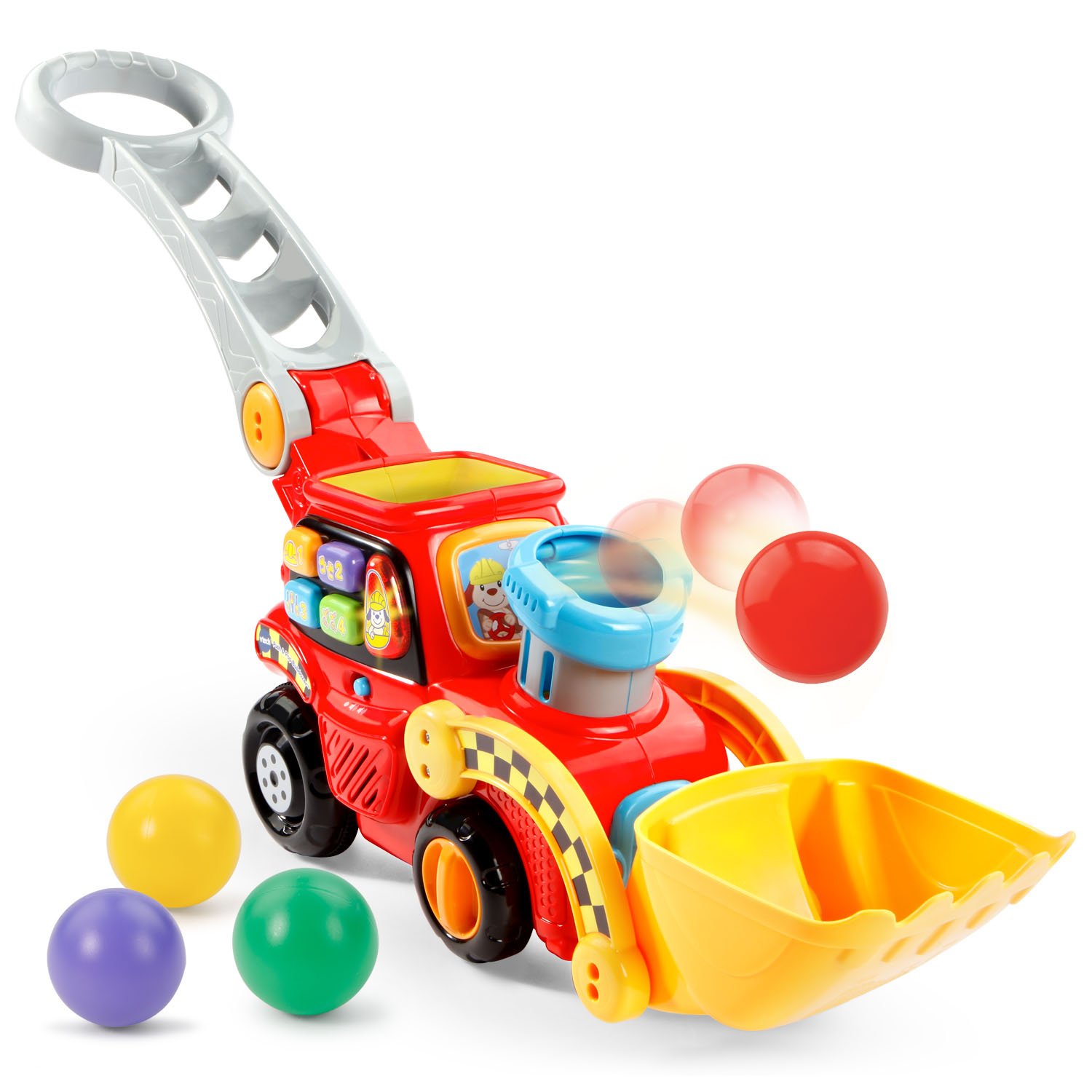
Make “ready… set…” the signal and “GO!” the reward — cars, corn popper, chasing. Wait for eye contact before the GO.
Using words · expressive
Say “ready… set…” and stop. That silence is the invitation — wait for their “GO!” before anything moves.
Finding it tricky? Accept any sound or a bounce as their “go” and launch immediately — the word will follow the power.
Too easy? Mix in this band's other words mid-game: “go IN!”, “go UP!”, “more go!” — Band 1 words love each other.
Practise it through play · 3 toy picks


Two ways to travel
Two ways to grow your child's talking
Same milestones, same speech-pathologist goals — you simply choose how you get there. Follow the toys, follow Julia's books, or blend both. There's no wrong turn.
The Toy Way
Play the goals with toys
Pick a toy your child already loves. Each one comes with exactly what to say and do — Bronze, Silver and Gold goals from a speech pathologist. Buy the toy, and the play does the teaching.
Julia's Way
Weave the goals into everyday life
Prefer no new toys? Julia's Woodland Friends storybooks and parent handouts show you how to build the same goals into the routines you already have — mealtimes, bath time, the walk to the park.