Kit 13 of 17· 🥈 Band 4: Consolidating Communicators
The FAST & SLOW Kit
Opposites your child can drive — comparing words with wheels on
Why “fast & slow” matters
Comparing words like 'fast' and 'slow' are a big leap: your child isn't just naming things anymore, they're describing HOW things happen — and weighing two things against each other. Vehicles make the contrast irresistible: a car can zooooom or c-r-a-w-l, and your child controls which. Stretching your voice to match ('sloooow… FAST!') glues the meaning to the word, and races give you a natural reason to compare all afternoon.
How to teach it — 4 simple steps
- 1
Drive one car fast and one slow, stretching your voice to match: 'this one is sloooooow… this one is FAST!'
- 2
Hold a race and commentate: 'The bus is fast! The truck is slow! Who won?'
- 3
Hand over the controls: 'Make it go fast!' … 'Now sloooow.' Following the instruction shows they understand; calling it out shows they can use it.
- 4
Spread the pair through the day: walk fast then slow, eat slow, tickle fast. Opposites learned in play stick best when they follow you home.
The 3 toys in this kit
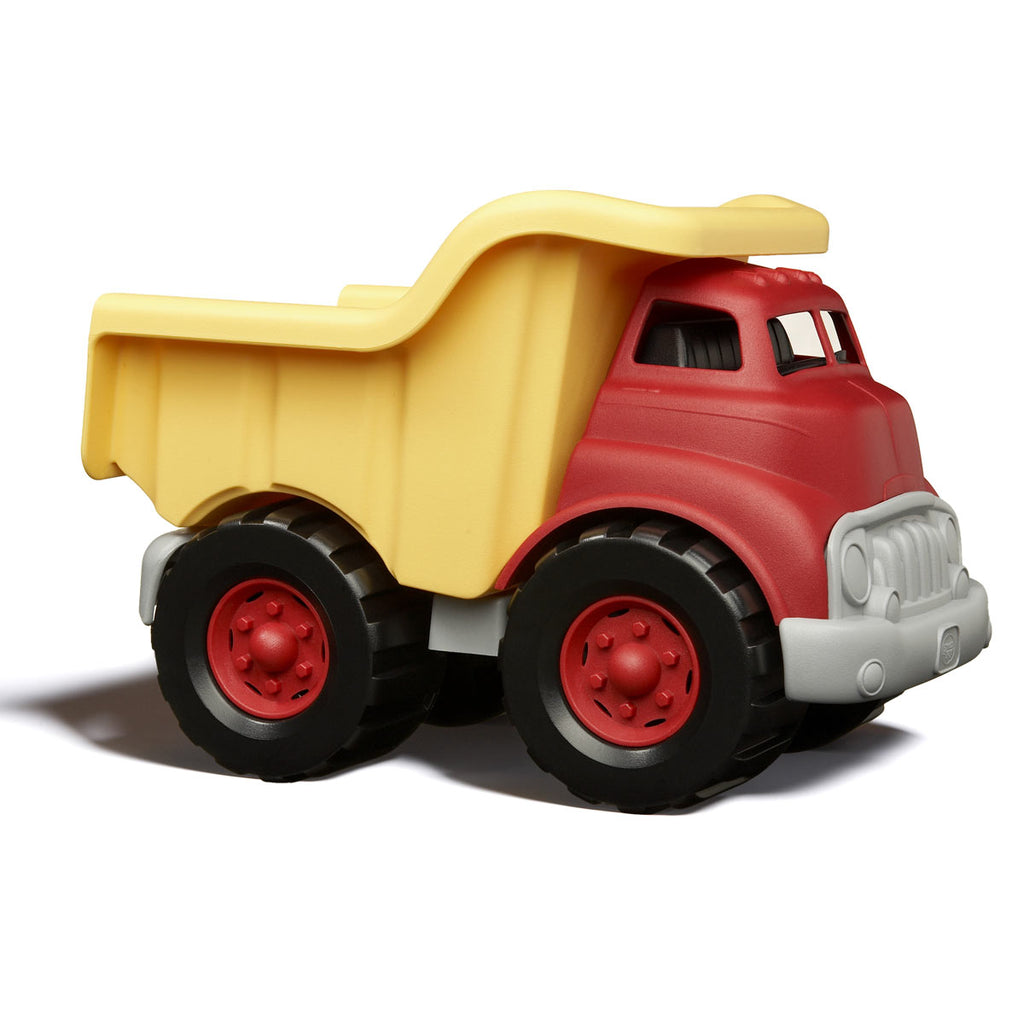
Each one creates dozens of natural “fast & slow” moments — open a toy page for the full goals by level.